
US-Iran Deal: Who Gets What and At What Cost

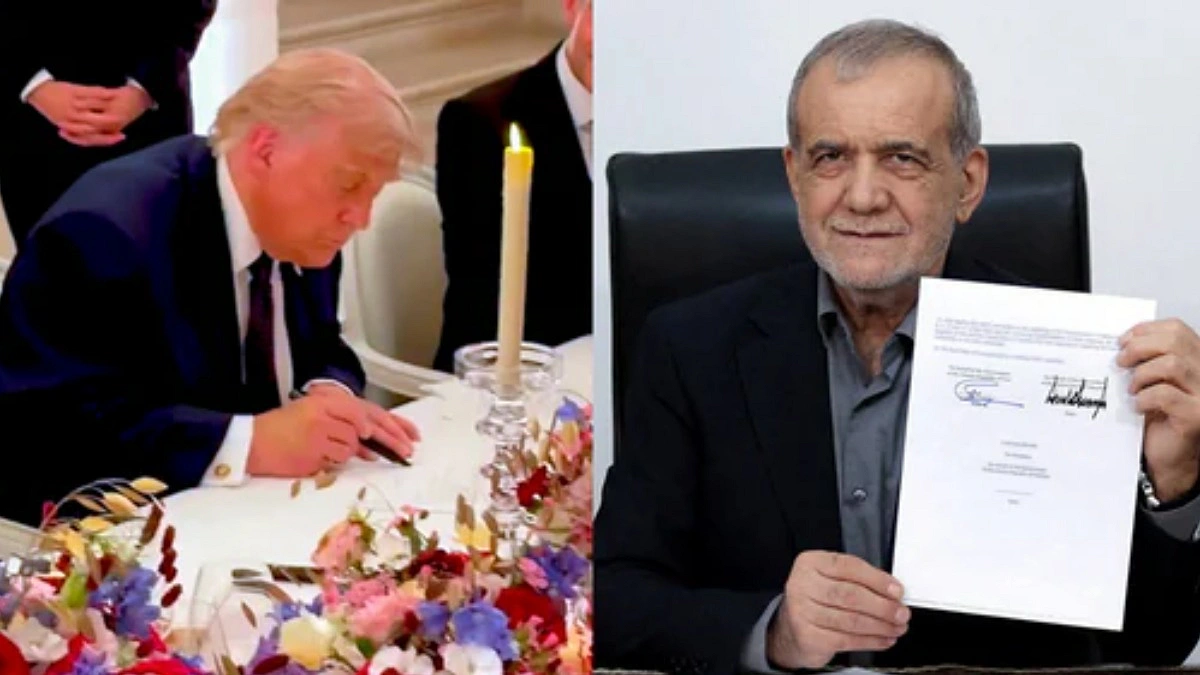
Photo: REUTERS
More than 100 days after the United States and Israel initiated a heavy bombing campaign against Iran, a new Memorandum of Understanding (MoU) has officially ended the military conflict.
While both nations are declaring victory, the signing of the deal by US President Donald Trump and Iranian President Masoud Pezeshkian marks the beginning of a challenging 60-day negotiation period regarding Iran’s nuclear program.
The agreement mandates an immediate halt to all military operations, the reopening of the Strait of Hormuz, and the lifting of the US naval blockade on Iranian shipping.
Iran has committed to ensuring safe commercial passage through the Hormuz, reaffirming it will not pursue nuclear weapons, and entering talks over its highly enriched uranium and enrichment infrastructure.
In Tehran, leadership presents the deal as a survival victory. The MoU recognizes Iranian sovereignty and offers a path toward sanctions relief and a $300 billion regional reconstruction and economic development plan.
However, Supreme Leader Mojtaba Khamenei has maintained a cautious distance. While authorizing the MoU, he noted he held “another view in principle” but allowed Pezeshkian and the Supreme National Security Council (SNSC) to take responsibility for the decision.
Mohammad Bagher Ghalibaf, the speaker of parliament and lead negotiator, defended the truce in defiant terms to satisfy a suspicious hardline base.
“I am not a diplomat,” Ghalibaf stated on state television, “but I know well how to make America understand”. Analysts warn that any compromise during the upcoming 60 days regarding enriched uranium could be viewed by domestic critics as a betrayal.
In Washington, Trump hailed the accord as a “major win” that fulfills his goal of preventing a nuclear-armed Iran. The reopening of the Strait of Hormuz provides critical relief for the global economy and addresses domestic frustration over soaring gas prices.
Despite this, prominent voices within the Republican Party have criticized the deal as a humiliating concession.
Texas Senator Ted Cruz argued against the proposed economic benefits for Iran, stating, “History teaches us that giving billions of dollars to theocratic lunatics who want to murder us is not a good idea”.
He added, “I think the president is receiving some very poor advice”. Conservative commentator Tucker Carlson echoed this sentiment, calling the agreement “a pretty humiliating loss for the United States”.
Trump dismissed these criticisms on Truth Social, writing, “There is no 300 billion dollar payment to Iran by the US. That's fake news. All there is for the US is success, lower oil prices, and victory.”
Notably, the MoU excludes previous US demands to destroy Iran’s missile industry or sever its ties with regional proxy groups. Vice-President JD Vance acknowledged the complexities of the truce, telling reporters that the US “expects” Hezbollah to stop firing on Israel, but cautioned that ceasefires are a “little messy” and “flare-ups” should be expected.
While the ceasefire grants both sides breathing room, the underlying tensions remain unresolved. Iran has avoided total surrender and gained economic hope, but the next two months will determine if this precarious peace can survive the pressure of final negotiations.
Source: BBC (adapted)
