

The 14 Muslim Countries in the World Cup

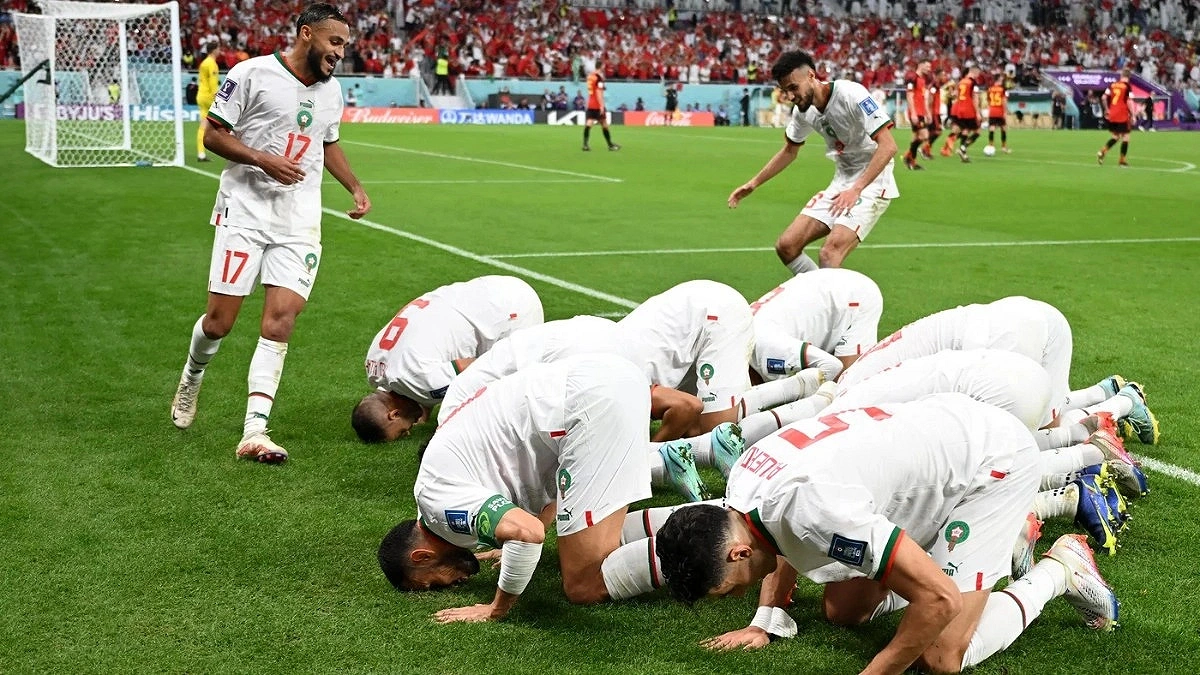
Moroccan Muslim players celebrate goals by prostrating at World Cup
The world's biggest football festival has begun. The 2026 edition is once again set to become a part of history, as it features 48 teams for the very first time. Among the participants are 14 Muslim-majority nations.
From the African deserts to the oil-rich states of the Middle East, and from the ancient Silk Road of Central Asia to the Balkan region of Europe—countries of diverse cultures, histories, and identities are gathering on one stage to battle for football glory. Let's get acquainted with these nations:
Morocco (Muslim population approx. 99%)
Morocco made history by reaching the semifinals of the 2022 World Cup. Their achievement as the first African and Arab nation to reach the final four is still widely talked about. This North African country is famous for the city of Marrakesh, the Sahara Desert, and its vibrant markets. Currently, Morocco is regarded as one of Africa's strongest football teams. They kicked off their tournament in spectacular fashion by holding five-time world champions Brazil to a draw in their opening match.
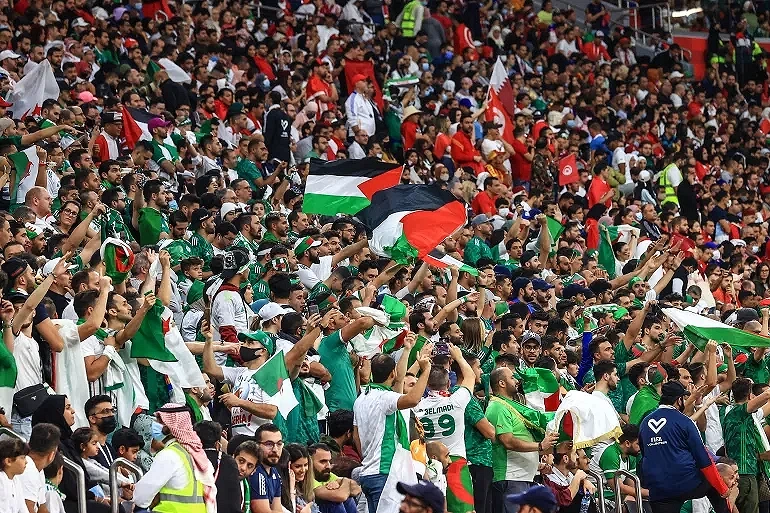
Algeria earned praise for reaching the last 16 of the 2014 World Cup
Senegal (Muslim population approx. 97%)
The West African nation of Senegal has long been a powerhouse in African football. They stunned the world by reaching the quarterfinals of the 2002 World Cup. The country is renowned for its music, culture, and Atlantic coastline. On the pitch, Senegal is known for its brave and attacking style of play.
Egypt (Muslim population approx. 90%)
Egypt, the land of pyramids and pharaohs, is home to one of the world's oldest civilizations. They also hold the record for the most Africa Cup of Nations titles. Long recognized as a major force in African football, Egypt aims to showcase its prowess on the world stage once again.
Algeria (Muslim population approx. 99%)
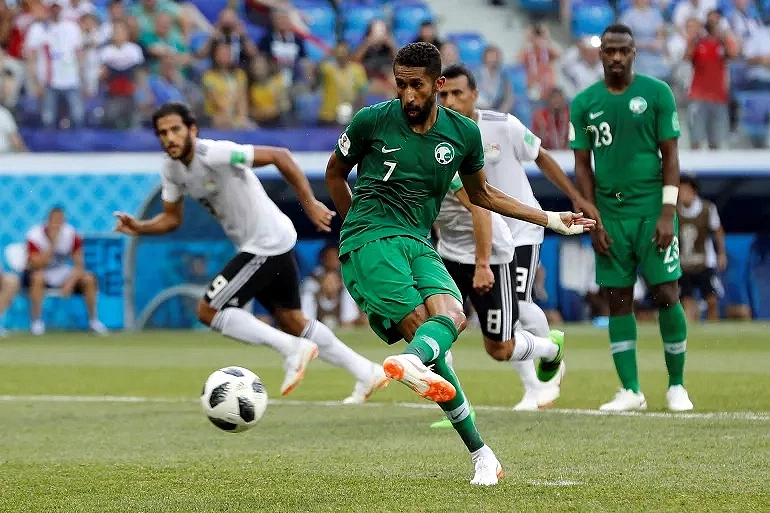
Saudi Arabia shocks football world by defeating Argentina in 2022 World Cup.
Situated on the Mediterranean coast, Algeria is the largest country in Africa by land area. The nation is also famous for its history of liberation struggles. In football, Algeria has consistently produced talented players. They earned widespread praise after reaching the Round of 16 in the 2014 World Cup. They played their first match today, though they suffered a defeat against Argentina.
Tunisia (Muslim population approx. 99%)
The small North African nation of Tunisia is a familiar face at the World Cup. The country is famous for the ancient civilization of Carthage. While they have yet to achieve a major breakthrough at the World Cup, they enjoy a reputation as one of Africa's most consistent teams due to their regular participation.
Ivory Coast (Muslim population approx. 43%, but Muslims form the largest religious group)
This West African nation is one of the world's top producers of cocoa. In football, they have gifted the world numerous star players. Ivory Coast is well-known for its powerful and physical brand of football.
Iran (Muslim population approx. 99%)
The successor to the ancient Persian Empire, Iran is one of the most significant countries in the Middle East. Rich in poetry, architecture, and history, this nation is one of Asia's most consistent football powerhouses. They prove their mettle in almost every World Cup qualifying campaign. Due to the ongoing conflicts involving the United States and Israel, their participation in this World Cup was mired in uncertainty. Ultimately overcoming those hurdles, they began their World Cup journey with a draw against New Zealand.
Saudi Arabia (Muslim population approx. 97%)
Saudi Arabia holds special significance in the Muslim world due to the holy cities of Mecca and Medina. It is also one of the world's largest exporters of oil. In football, Saudi Arabia is one of Asia's most successful teams. They shocked the footballing world by defeating Argentina in the 2022 World Cup.
Qatar (Muslim population over 65%)
Qatar is one of the richest countries in the world, despite its small size. It gained international recognition by hosting the 2022 World Cup. Qatar's progress is clearly visible in recent years, thanks to huge investments in football.
Jordan (Muslim population approx. 97%)
Jordan is known worldwide for its ancient city of Petra. In football, they have been on a path of steady improvement for a long time.
Petra of Jordan. Collected photo.
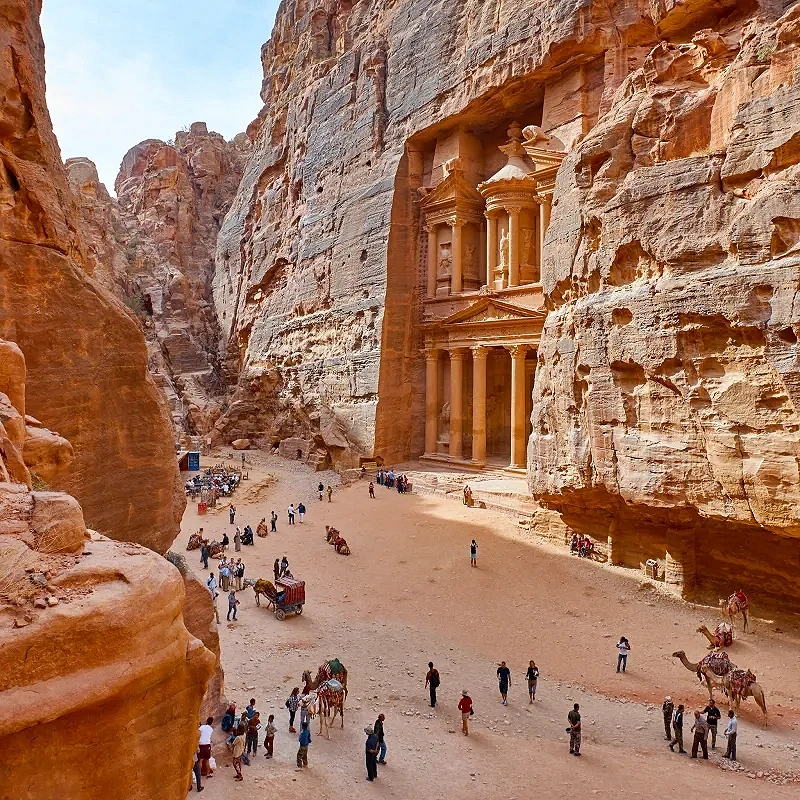
The 2026 World Cup is especially significant for them, as this marks the very first time they are playing in the tournament's main stage.
Uzbekistan (Muslim population approx. 96%)
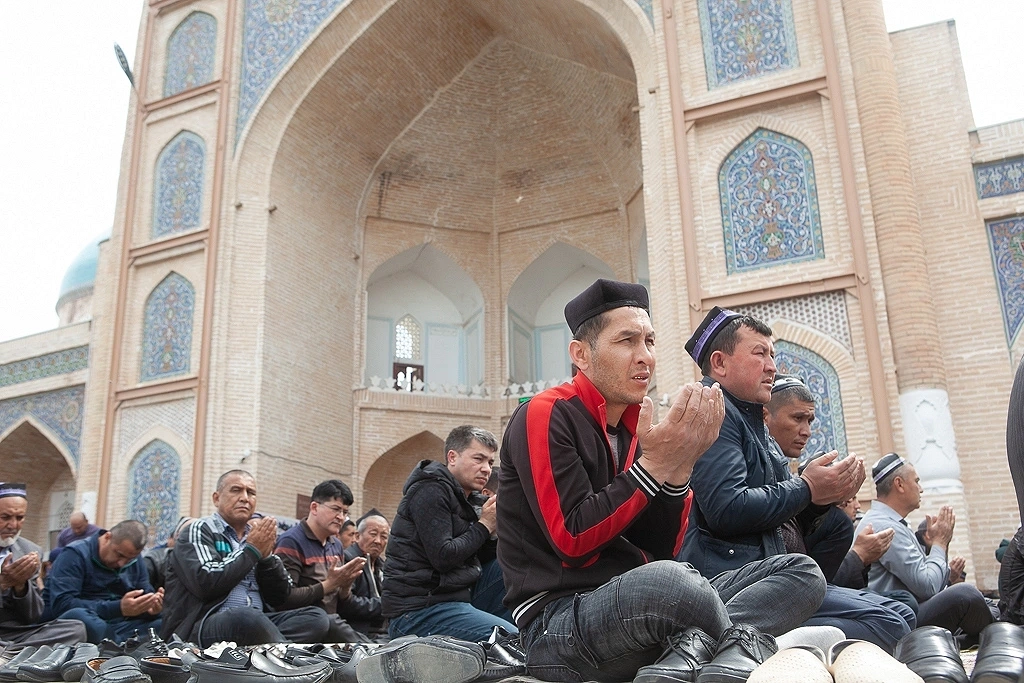
This Central Asian country was once a crucial hub of the ancient Silk Road. Historic cities like Samarkand and Bukhara continue to attract tourists to this day. After years of persistent effort, Uzbekistan has written a new chapter in their history by qualifying for the World Cup for the first time.
Turkey (Muslim population approx. 99%)
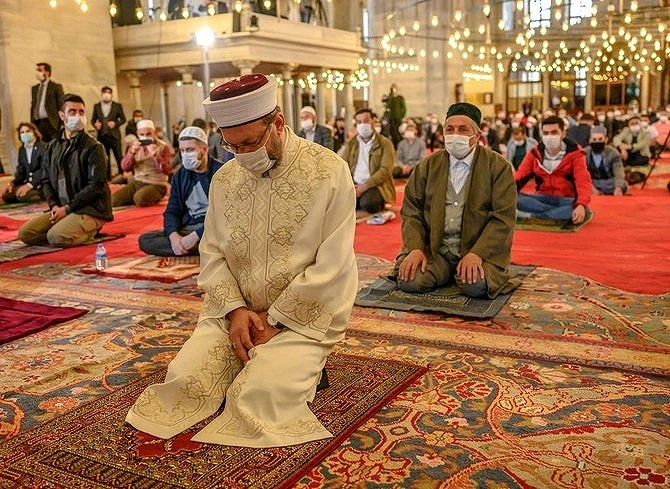
Turkey is one of the rare countries spanning across two continents. The city of Istanbul serves as a cultural bridge between Europe and Asia. In football, Turkey’s greatest achievement was securing third place in the 2002 World Cup.
Collected photo.
the pitch.
Bosnia and Herzegovina (Muslim population approx. 51%)
Located in the Balkan region, this country is known for its beautiful mountains, rivers, and historic landmarks. Bosnia is a unique example of coexistence among Muslim, Christian, and other communities. Returning to the World Cup for the first time since 2014 is a major achievement for them.
Muslims in Uzbekistan praying after prayers. Collected photo.
Among these 14 nations, six are from Africa, six from Asia, and two from Europe. Some possess thousands of years of history, while others have arrived on the world stage for the first time with fresh dreams. Their backgrounds feature pyramids, vast deserts, the ancient Silk Road, and cities linking two continents. On the football pitch, however, history, geography, or economics matter very little; what makes the difference is hard work, strategy, and courage. Nevertheless, the presence of these nations makes the World Cup far more diverse, carrying with them the emotions, expectations, and dreams of billions of Muslim fans.

