Pink Cockatoos Endangered by Wildfires

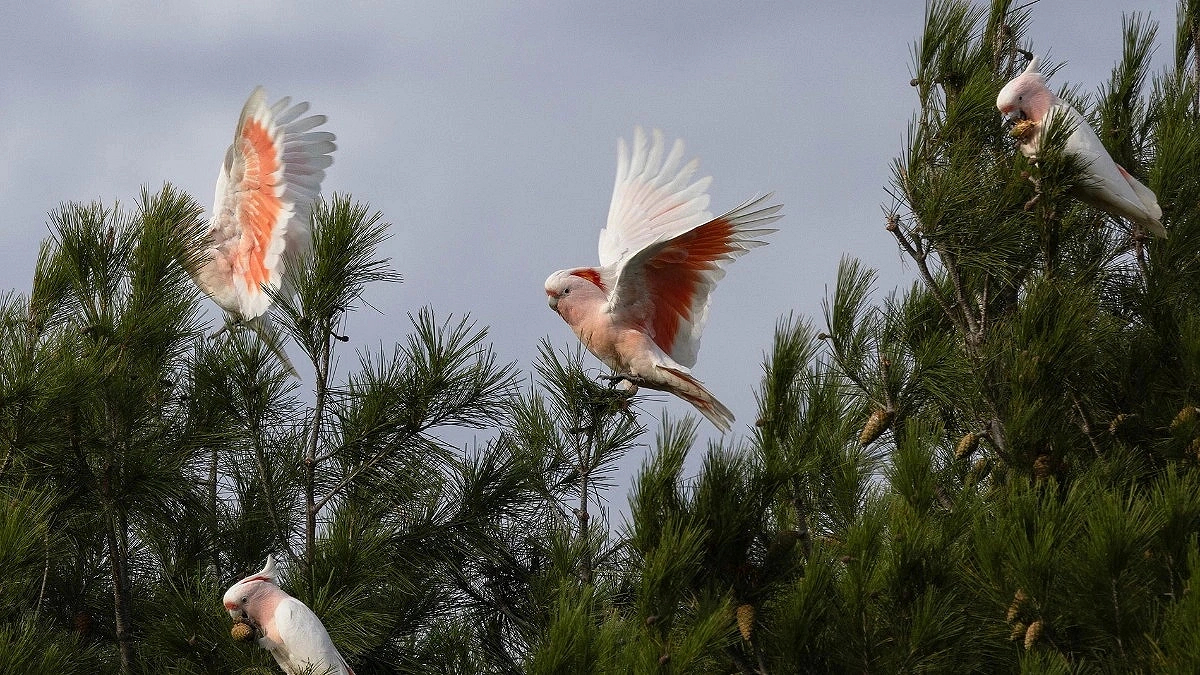
The Royal bird face crisis of extinction after losing its last habitat. Photo: Collected.
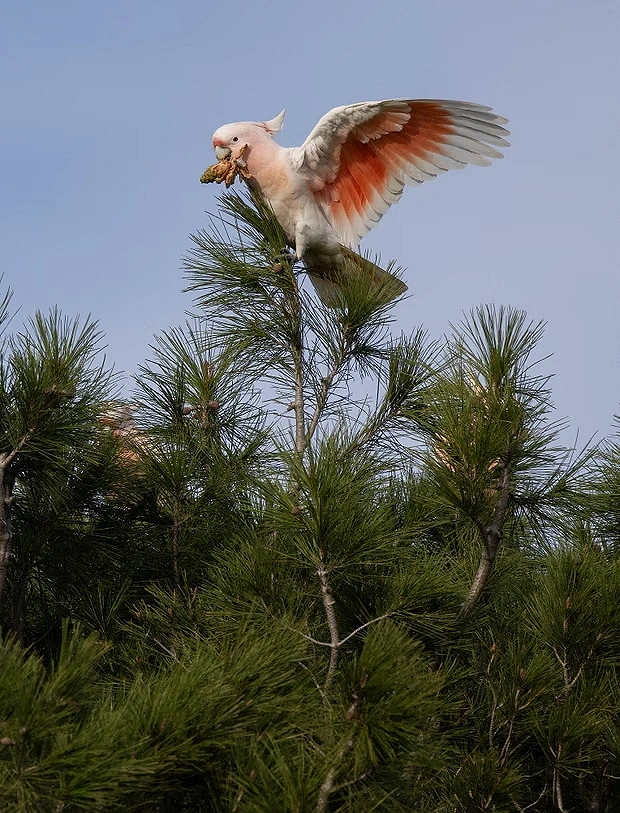
At the entrance of Wyperfeld National Park, located in northwestern Victoria, Australia, a strangely beautiful sight often appears these days. More than a dozen pink cockatoos hang among the rows of pine trees like colorful Christmas decorations. These are Aleppo pine trees, which are not the birds' real home or primary food source at all.
Nevertheless, these colorful winged birds spend their days quite peacefully among the branches. The gentle crunching sound of them tearing pine cones apart with their sharp claws and beaks constantly fills the forest's calm air. But this wonderful and peaceful scene actually conceals the harsh reality of a massive internal devastation. Inside the park, about 70 percent of these cockatoos' natural habitat, known as the "Pine Plains," was completely burned to ashes in a devastating bushfire last January. What remains now are only charcoal, ash, and a vast emptiness.
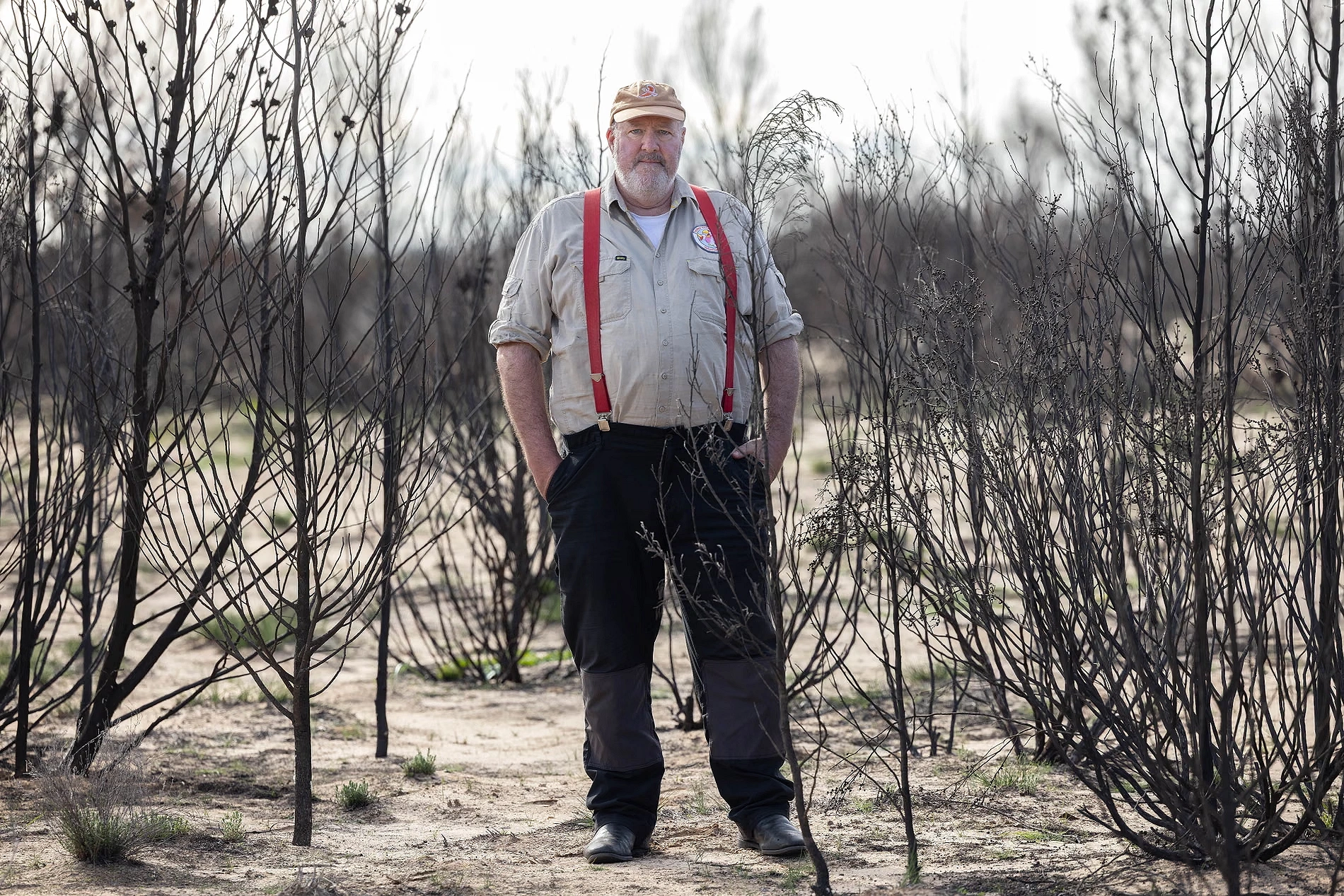
Two fires in 12 years have been devastating for Wiperfelder cockatoos," said ecologist Victor Hurley.
This catastrophic natural disaster has brought terrible news for the endangered bird species Lophochroa leadbeateri, which people used to call "Major Mitchell's Cockatoo." Environmental scientist Dr. Victor Hurley affectionately calls these birds "flame-crested" or, in short, "flaming cockatoos." They have a magnificent flame-red and yellow crest on their heads and a captivating salmon-pink hue spread under their wings.
Dr. Hurley, who has been monitoring these birds for decades, said that this particular species of cockatoo is completely dependent on a specific type of slender cypress pine tree called Callitris gracilis for nesting hollows to lay their eggs. However, to accommodate a growing cockatoo family, these trees need to be very old—around 85 years and ideally 125 years or even older.
But sadly, due to a massive fire in 2014, these large, old pine trees had already become extremely rare in nature. That fire completely burned 60 percent of the Pine Plains area. About 97 percent of the old, hollow-bearing trees in that region were destroyed at that time.
And that was before the recent catastrophic bushfires of 2025-26, which, according to government estimates, burned nearly 440,000 hectares of land across Victoria to ashes. This area is significantly larger in size than the infamous "Black Saturday" fires in history. Of this, about 59,000 hectares were within Wyperfeld Park alone.
Dr. Hurley lamented that two major fires within just 12 years at Wyperfeld, Victoria's largest breeding ground, have completely broken the backbone of these cockatoos. Previously, 178 giant, ancient pine trees stood in this burned area, of which only a handful of trees have somehow survived.
Looking at the untouched forest at the eastern end of the park, one can understand what wonderful homes the birds have lost. In this semi-arid forest, hundreds of sturdy casuarinas and slender cypress pines are scattered, and lichen and moss grow on the sandy soil.
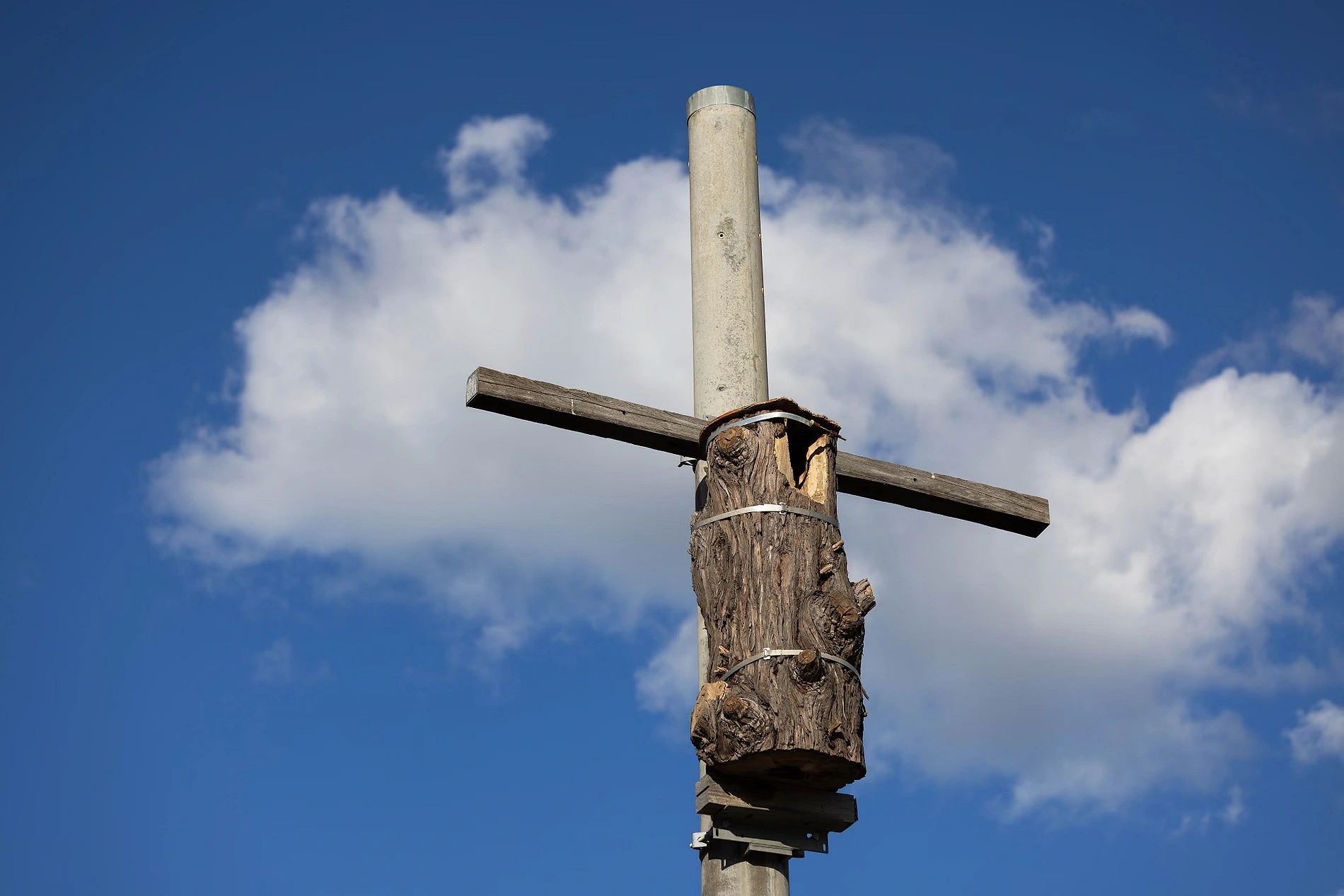
In this forest, on top of a wooden pole, a hollow tree trunk with a small door, shaped like a cross, has been made for birds to live in. This was essentially the first artificial hollow, hand-made by Dr. Hurley himself in 2009. Normally, when trees are large enough, cockatoos carve out wonderful living spaces or hollows for themselves using their beaks.
But there is a problem here as well: intense fighting breaks out among birds over the natural hollows or nests in the forest. The gentle-natured "flaming cockatoos" cannot easily fight. They lose their nests when defeated by aggressive birds like galahs or by wild European honeybees. So the problem now is not just a lack of nests, but a lack of ability to retain them.
Dr. Hurley and his volunteer team, the "Mallee Woodpeckers," are researching the behavior of these birds. To address the shortage of natural homes in the forest, they are building new nests on their own initiative.
These days, they are creating newly designed nests inside the hollows of burnt but still-standing dead tree trunks in the forest.
They first cut out a section of the tree using a chainsaw. Then they create a hollow space inside that is at least 20 centimeters wide. Finally, they reattach the outer bark to its original place to prevent rainwater from entering. These artificial nests are not easily noticeable to the average person. They look simply like a small doorway to a comfortable home, where a small branch is also added for the birds to perch on.
In a joint initiative with Parks Victoria, they have so far installed about 150 such new artificial hollows within the forest.
The Barengi Gadjin Land Council, representing the local Indigenous people, considers the destruction of these birds' habitat a major cause for concern. The Council's manager, Colin Gordon, said, "This pink cockatoo lives as an integral part of our folk tales and stories. It is an extremely important species for our culture."
While the Council supports all short-term and long-term efforts to overcome this forest damage, Gordon reminds us that the trees lost to the fire will take many more years to grow large enough to be suitable for these cockatoos to live in.
Apart from a few surviving old trees in the forest, the next generation of pine trees essentially sprouted in the 1990s. It will take these trees nearly half a century—50 years—to become suitable for the birds to nest in. However, these young pine trees are currently fulfilling a large part of the birds' food needs.
According to environmental scientist Jane White, cockatoos carry branches of cypress pine with seeds in their beaks as they move from one place to another, as if they are carrying a "packed lunch." These birds play the biggest role in dispersing the seeds of the forest's pine trees. And when the trees grow large, the cockatoos carve hollows with their beaks, in which various species of lizards, mammals, and other small birds later find shelter.