


Birth Centenary
The style 'Mantra' of the legendary hero
- Uttam Kumar—a name synonymous with a unique style of attire and presence, ranging from the quintessential Bengali charm of dhuti-panjabi to the Western sophistication of a suit and tie, complemented by slicked-back hair and sunglasses. September 3, 1926, marks the birth anniversary of this legendary actor.

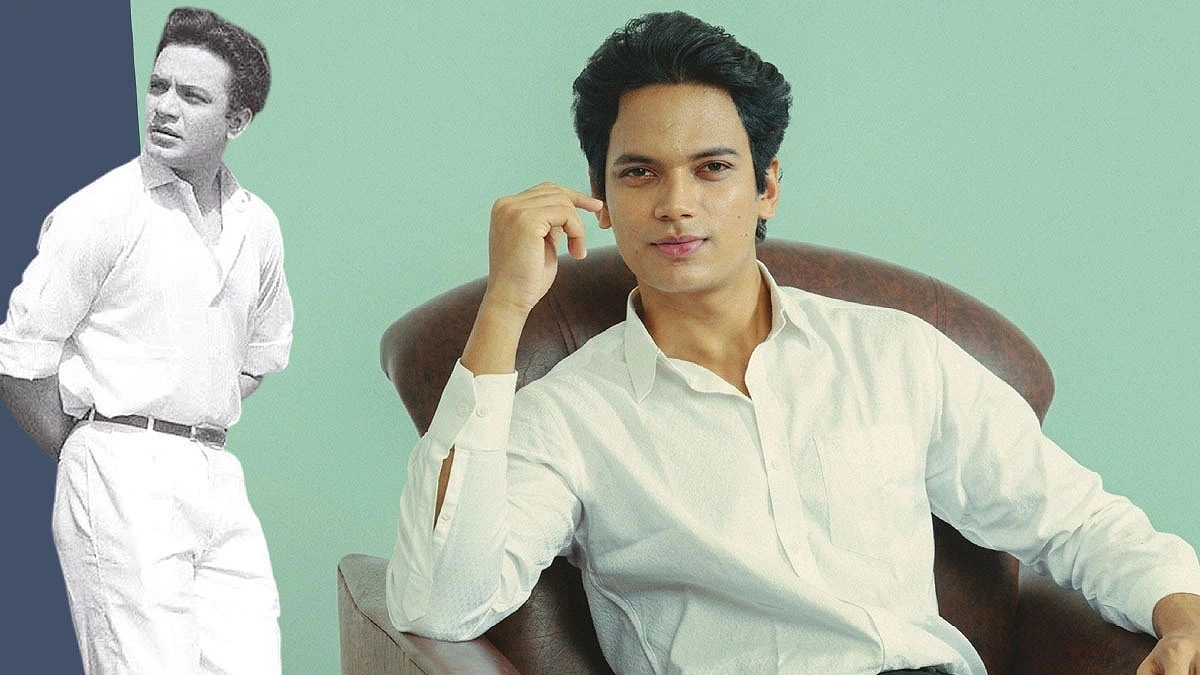
The great actor, Uttam Kumar. Collected photo.
Seeing him, Bengalis realized that a man's style could look like this too. Equally effortless as a quintessential Bengali gentleman in a dhoti-panjabi or as an urban sahib in a tailored suit and tie. Sunglasses over his eyes, back-brushed hair, a cigarette resting at the corner of his lips, or simply wearing a classic shirt and trousers—Uttam Kumar could make any look entirely his own. The greatest strength of this legendary actor's style was that clothes never overshadowed him; rather, his personality elevated the attire.
Fit Comes First
One of the key secrets behind Uttam Kumar’s style was immaculate fit. He was especially meticulous when it came to suits. The shoulders, neckline, and length of the suit had to be precise. Various reports mention that his suits and shirts were crafted by Barkat Ali & Brothers in Kolkata. The iconic suit from the movie Nayak is also known to have been made there. This meticulous nature gave his wardrobe a crisp, aristocratic touch. Whether a formal suit or a casual shirt, how the garment sat on his frame became the foundation of his signature look.
The Timeless Bengali in Dhoti-Panjabi
Uttam Kumar's fashion cannot be understood through suits and ties alone. In fact, his dhoti-panjabi look redefined Bengali menswear with a fresh charm. Pleated dhotis paired with colorful collared panjabis became so closely tied to him that the combination eventually turned into a mainstream fashion trend. Research articles note that his style of wearing a dhoti and panjabi was actively replicated in commercial clothing markets. This traditional Bengali aesthetic never made him appear dated. Instead, the folds of the dhoti, the collar of the panjabi, and his natural confidence blended seamlessly to create the distinct "Uttam silhouette."
Effortless in Shirt and Trousers
Uttam’s casual style enjoyed immense popularity as well. Rolling up his shirt sleeves, leaving the top one or two buttons open, and pairing them with trousers became a relaxed look instantly associated with him. Films like Harano Sur showcase this aesthetic, complete with back-brushed hair, twill shirts, and casual pants. Later, following the movie Amanush, his striped shirt design gained such popularity that research papers refer to it as the "Amanush Print." In short, Uttam’s fashion wasn't merely watched on screen—the audience actively adopted it into their own lives.
Back-Brushed Hair and Sunglasses
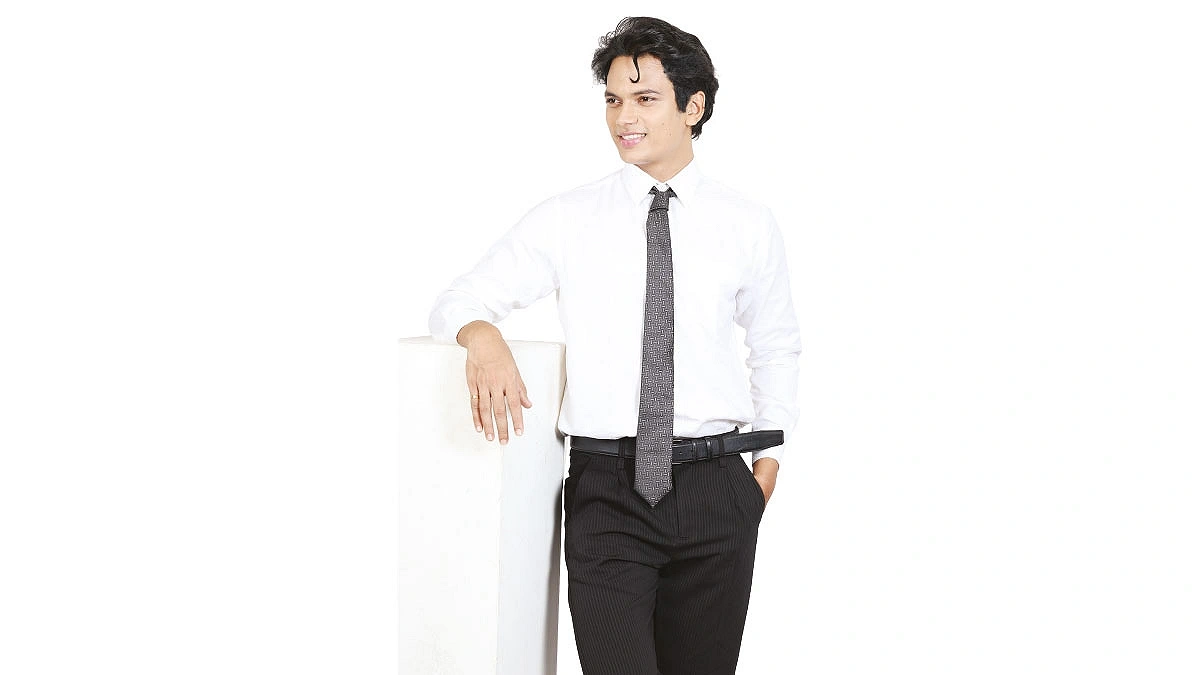
Uttam Kumar was equally distinct in his hair styling. Back-brushed hair became one of the most recognizable features of his look. As for sunglasses, they were a defining chapter of his personal style. The black suit, sunglasses, tie, cigarette, and confident body language remain one of the most iconic masculine looks in Bengali cinema to this day.
Changing Characters, Evolving Styles
The greatest aspect of Uttam's fashion was that he never got typecast into a single hero archetype. He adapted his wardrobe and presence according to the role. In Saptapadi, he transitions seamlessly from a traditional Bengali youth in a white dhoti-panjabi to a modern figure with a motorcycle, jacket, and flowing tie. In Nayak, he presents as an urban, confident superstar. He adopted a completely different look for Antony Firingee, and transformed once again for Chiriyakhana to suit the character. This versatility proves that Uttam’s style went far beyond wearing clothes—he had the rare ability to make every character believable through his wardrobe.
The Legendary Hero's True Mantra
The secret behind Uttam Kumar’s style lay in no single outfit. He understood that a garment's fit and relevance to the individual mattered far more than its inherent design. Whether wearing a dhoti-panjabi, a shirt and trousers, or a suit, he integrated everything with his body language, hairstyle, stride, and facial expressions. As a result, his style never faded into vintage nostalgia—it remains timeless and widely emulated today.


