What Makes Immersive Experiences Unforgettable

Collected Photo
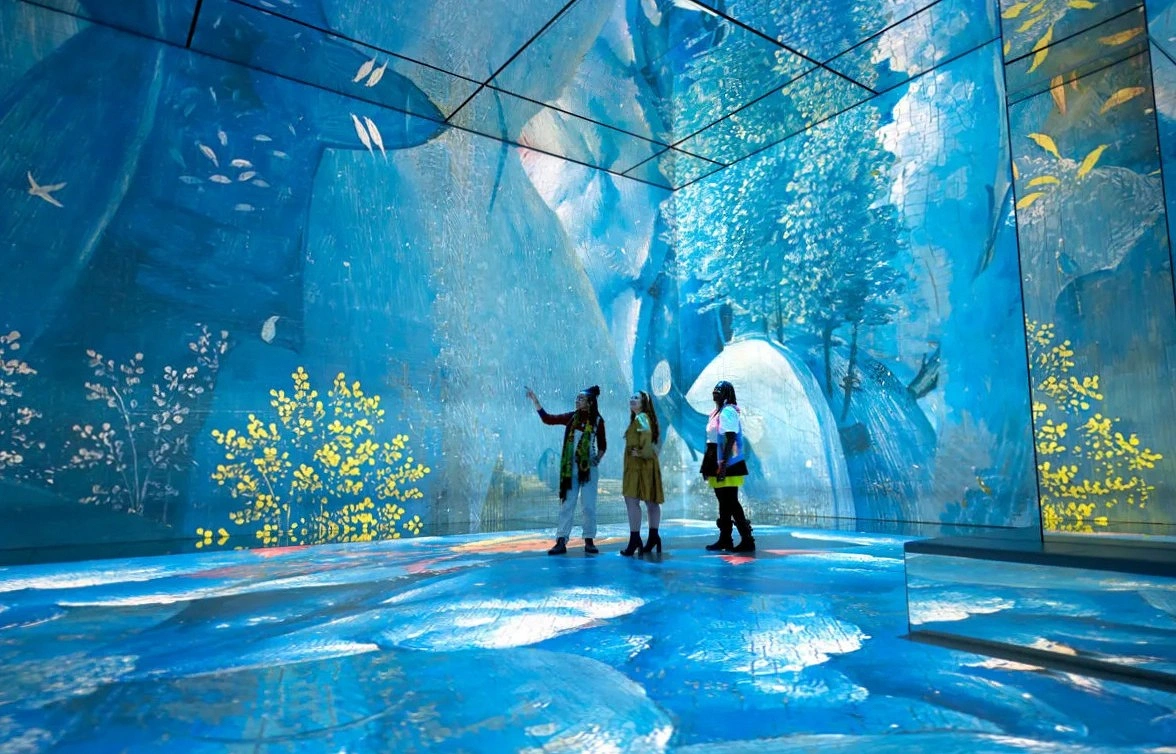
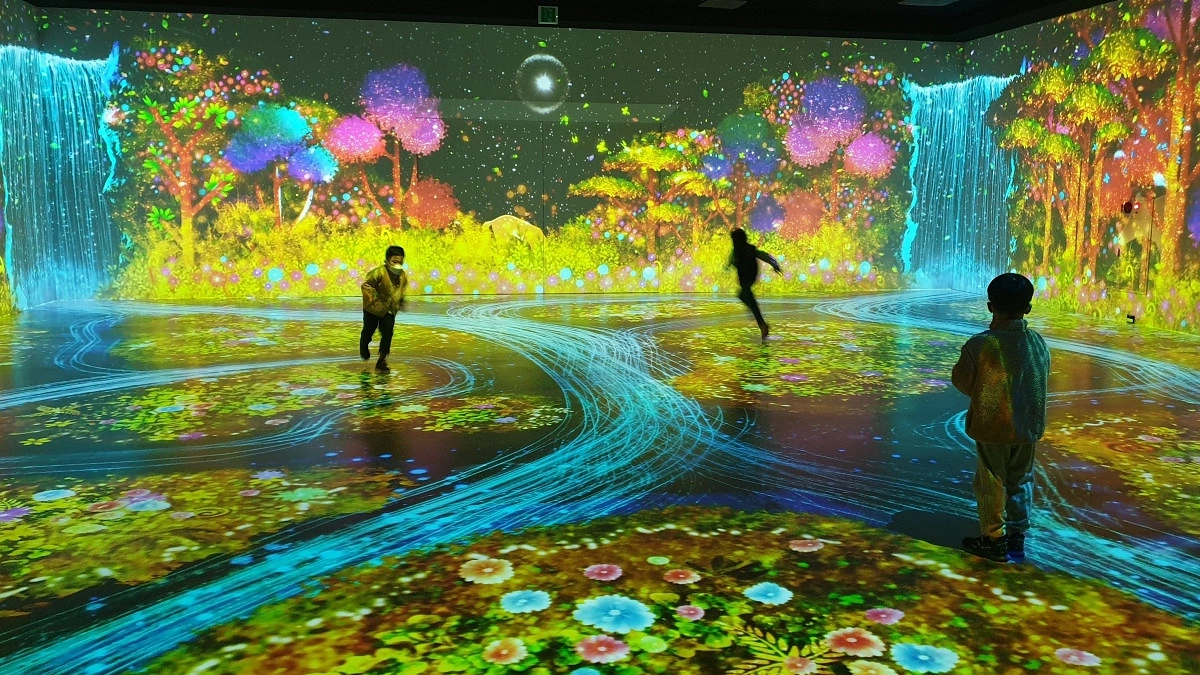
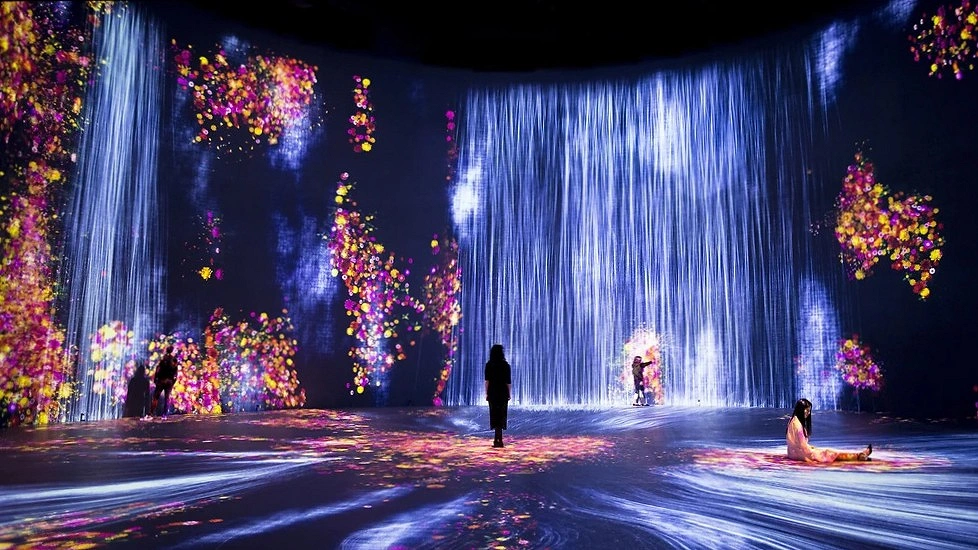
Immersion is redefining the consumer experience across a wide range of industries. On any given day, a visitor might enter Netflix House, where hit franchises such as Stranger Things and Squid Game are brought to life as walk-through destinations. Or they might step into teamLab Biovortex Kyoto, where large-scale digital artworks shift in response to people's movements. Others might suit up at Sandbox VR, where teams move together, strategize, and battle apocalyptic zombie hordes or an authoritarian army on an alien planet .
Camp has created a chain of toy stores where children step through a "magic door" into play worlds inspired by shows such as Bluey, Paw Patrol, and Peppa Pig. Nike's House of Innovation stores turn shopping into a personalized, interactive sports journey. And Guinness's Open Gate Breweries are engineered to feel less like a tour and more like a multisensory encounter with the brand's flagship stout .
But what separates experiences that truly captivate audiences from those that fall flat?
The Trap of Spectacle
Too often, creators of immersive environments rely on spectacle, advanced technology, or scale. This approach frequently fails. The latest gadgets or the biggest installations do not guarantee engagement. True immersion is not about overwhelming the senses with impressive visuals or cutting-edge hardware; it is about guiding participants through a coherent journey that feels meaningful and personal.
The most effective immersive experiences succeed because they help participants navigate a clear progression, answering a series of fundamental questions that arise naturally during the experience.
The Six Questions Framework
The most effective experiences guide participants through a progression in which they seek answers to six questions :
Where am I? This establishes the setting and context. Participants need to orient themselves within the space and understand its boundaries.
Who am I with? This addresses the social dimension. Understanding whether others are present, whether they are collaborators or observers, and how the participant relates to them is crucial for engagement.
What can I do? This clarifies the range of possible actions. Participants need to know how they can interact with the environment and what their agency is within it.
What is happening? This speaks to the narrative or activity flow. Participants need to understand the current situation and how it fits into the broader experience.
Am I making progress? This is about feedback and achievement. Participants need signals that they are moving forward or accomplishing something.
Why does this matter? This provides purpose and meaning. The experience must culminate in a coherent sense of what it all meant.
The experiences that help people answer all six questions are the ones that draw them in, keep them engaged, and leave a lasting impression .
Guiding Attention and Building Meaning
Modern immersive storytelling is evolving in how it orchestrates attention and structures participation. What makes certain experiences resonate long after they end is not a single "wow" moment, but how meaning is built gradually rather than delivered all at once .
Successful designers think carefully about how participants move through the space—whether physical or virtual. The attendee's path should be well-defined and intuitive, following principles from service design and user experience . This includes proper information flow, whether through an app, signage, or environmental cues, helping the participant navigate both physically and conceptually.
Storytelling is central to this process. Crafting a scenario and constructing the world through visuals creates a "complete world of experience" that tells a story . This narrative thread helps participants make sense of their journey and feel invested in its outcome.
The Role of Participation and Social Connection
Immersive experiences that succeed often make participants feel like they are part of something larger than themselves. This can be achieved through interactive technology that creates a sense of belonging to a group—for example, by making attendees work together to achieve a goal, or by using GPS tracking wristbands in concerts where participants become part of the performance by changing the light based on their location . Together, they form another layer of the experience itself.
This sense of being part of a production is a powerful driver of engagement. When participants become active contributors rather than passive observers, their investment deepens, and the experience becomes more memorable.
Memory Anchoring and Learning
Interactive technologies offer a great way of implementing playful elements that create memory anchors . These are important because they help embed the experience in participants' minds. As one event specialist noted, there must always be a "click"—a learning moment that resonates because people learn better when they do something themselves rather than just being shown .
These playful elements do not have to be childish. The line between playfulness and "kitschy" is often much further away than anticipated, and it heavily depends on the attendee profile. Younger generations are slightly harder to impress due to their familiarity with technology, but playful approaches can still be effective when balanced appropriately .
The Purpose of Interactive Technology
The use of interactive technology should always be aligned with the event's goals. Technology implemented just based on trends often fails to deliver value. The result should be that something has been conveyed better than it would have been without interactive technology .
For example, technology can be used to visualize a company's unique selling point, create communication measures between sender and receiver, or enhance the entire event journey—including pre- and post-event phases . The key is that technology serves the experience, not the other way around.
The Physical-Digital Fusion
Many of the most compelling immersive experiences today blend physical and digital realms. This fusion offers unique experiences that neither realm can provide on its own .
Virtual Reality (VR) can significantly impact audience perception by altering their immediate environment while participants are immersed in a virtual setting. For example, event staff might transform the physical space while attendees wear VR glasses, creating a "wow" effect when the glasses come off .
Augmented Reality (AR) is increasingly used to enhance live performances, integrate real dancers with dynamic images, or add sensory dimensions such as simulating light drizzle or projecting virtual tigers alongside presenters .
Designers must ensure coherence and harmonization between virtual and physical elements, aligning them in time and space. This can involve digital or physical reference points that anchor the experience, as well as strategies to guide participants seamlessly through both realms .
The Importance of the Journey, Not Just the Destination
Ultimately, the best immersive experiences succeed because they are designed as journeys, not destinations. Participants progress through phases, each answering new questions and deepening their engagement.
The first match of a competition is always difficult, as is the first step into a new world. But when participants feel guided, connected, purposeful, and able to make progress, they are more likely to emerge with a sense of fulfillment and a lasting memory.
As one event professional observed, the ability to merge business and fun is what makes an event memorable and encourages people to return . This principle applies across industries: whether it is a retail store, a brand tour, a concert, or a training simulation, the magic lies in creating an experience that feels personal, intentional, and meaningful. (Source: hbr.org)