Was Robin Hood a hero or a villain?

Collected Photo
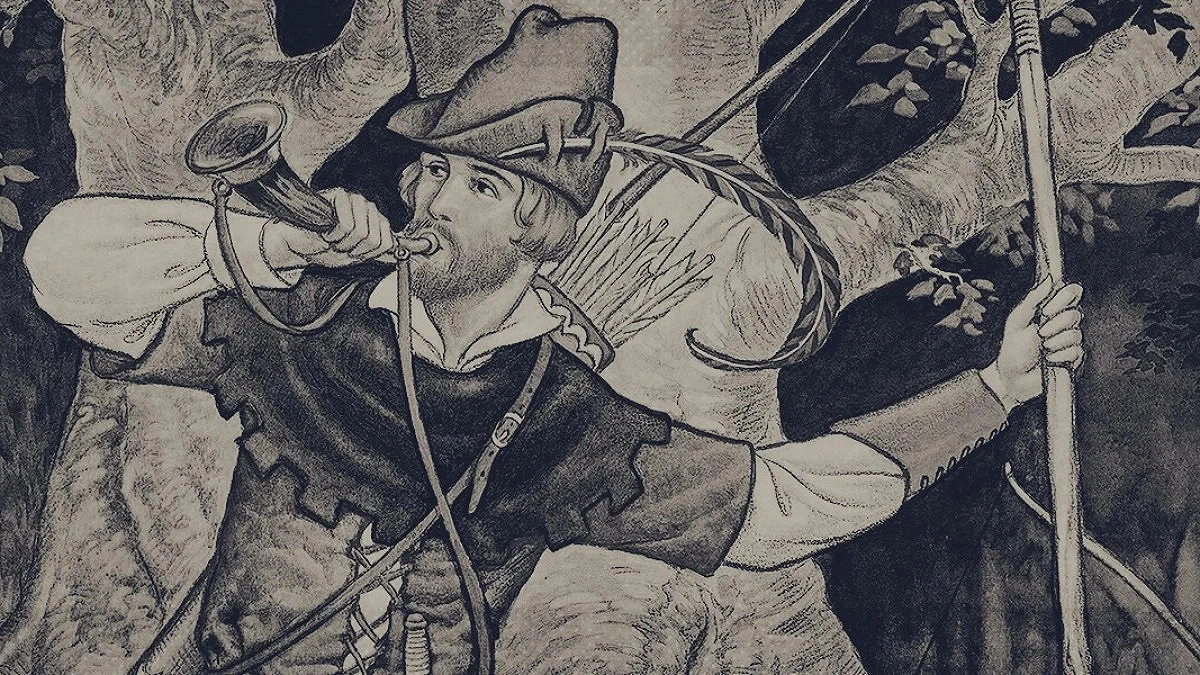
Green clothing, a feathered cap on his head, a righteous hero who robbed from the rich and gave to the poor. For centuries, this is how we have known Robin Hood. Especially after Disney's 1973 animated film, this image became permanently etched in people's minds. But historians say the real Robin Hood may not have been like that, at all.
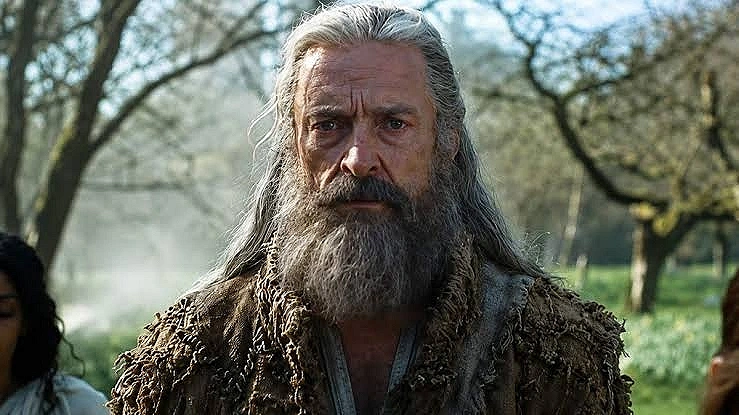
The new film The Death of Robin Hood challenges that old notion. Directed and written by Michael Sarnoski, the film features Hugh Jackman as an aged, battle-weary Robin Hood. Standing at the end of his life, he questions his own legend.
At one point, when a woman calls him the great Robin Hood who fought for justice, he replies, "He wasn't a hero. He robbed and killed because he enjoyed it."
A Scene from 'The Death of Robin Hood'
Though surprising to hear, this image aligns more closely with the earliest Robin Hood stories in history.
According to historians, Robin Hood probably was not a single real person. Rather, he was born from the unequal society of medieval England, with its wealthy landowners and poor peasants. Stories of Robin Hood began spreading orally in the twelfth century, but the first written versions appeared nearly two centuries later.
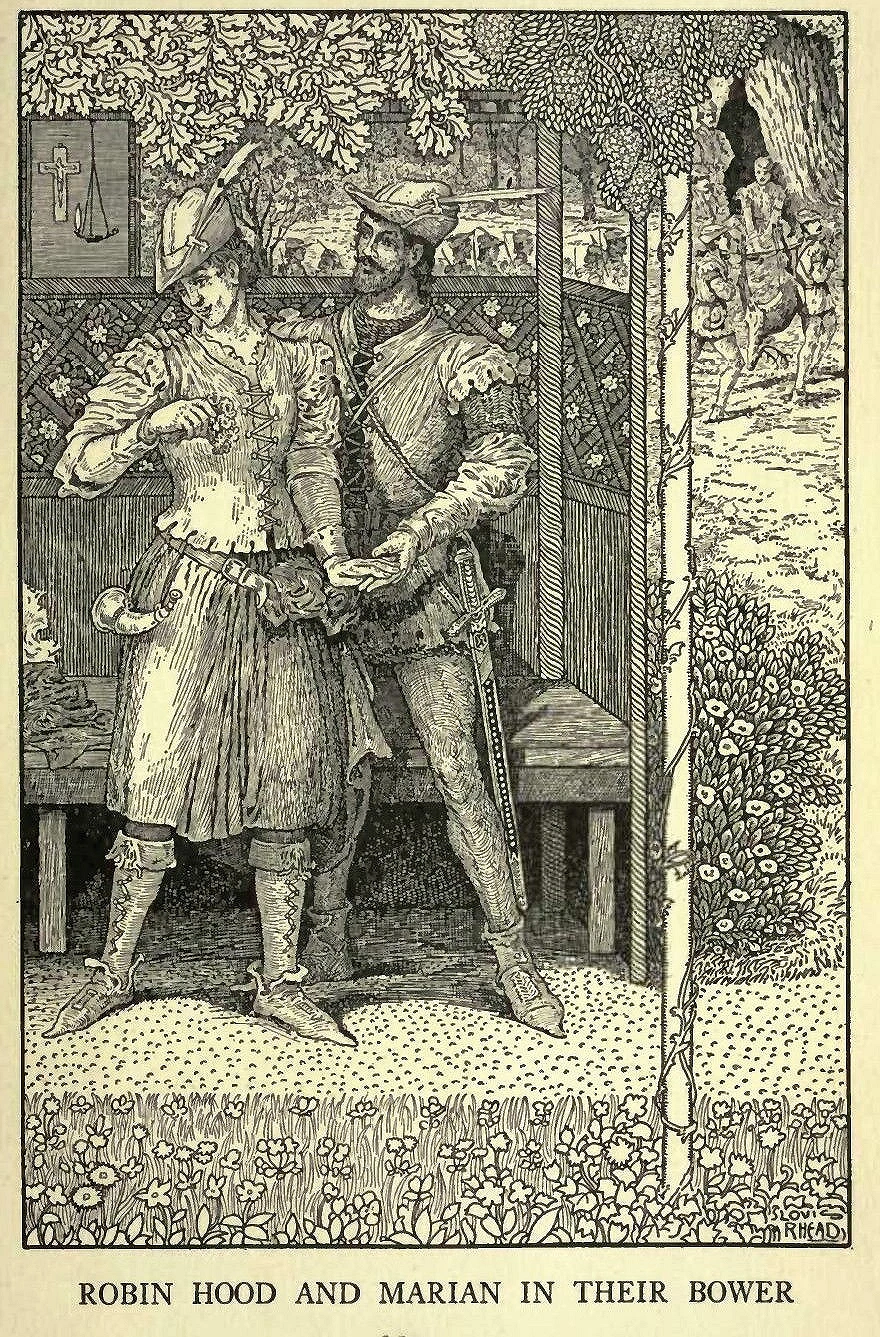
In those ancient ballads, Robin Hood was not an aristocrat. He was a yeoman—someone of a slightly higher social standing than an ordinary peasant. There was also no character named Marian; she joined the stories in the sixteenth century. (Source: BBC)
And most significantly, helping the poor was not his primary purpose. Robin Hood's main enemies were corrupt clergymen and powerful landowners who exploited ordinary people.
Amy S. Kaufman, an author who researches the Middle Ages, wrote in her new novel The Traitor of Sherwood Forest that the Robin Hood of ancient tales was a "morally grey, cunning rebel"—a violent, reckless, and rule-breaking character.
Kaufman also said, "In every ballad, he either meets a tragic end or falls victim to his own mistakes."
In the sixteenth century, a major change came to the story. King Henry VIII of England himself was a fan of Robin Hood and would sometimes even dress like him. Gradually, the upper-class society reshaped Robin Hood to fit their own image. The man who once stood against the nobility was turned into an aristocrat himself. He no longer questioned the social order; instead, he became the hero who brought the good King Richard back to the throne. His struggle against the wicked Prince John also became popular at that time.
In the nineteenth century, children's books transformed Robin Hood into a more polite, clean, and moral character. Later, cinema cemented that image. Errol Flynn, Kevin Costner, Russell Crowe—almost all of them played the familiar heroic Robin Hood.
However, there have been some exceptions. In the 1976 film Robin and Marian, Sean Connery played an aging Robin Hood, who, at the end of his life, searches for the meaning of his past and the countless deaths.
This new generation's darker Robin Hood is actually closer to the medieval stories. At the same time, they also reflect the present day, because in today's world, people are quick to label someone a hero or a villain, yet real life is usually not black and white but rather grey.
According to Sarnoski, Robin Hood used his own story as a weapon. By creating a legend, he gathered followers.
In the age of social media, these issues become even more relevant, because every day we create heroes and villains through stories, ideologies, and propaganda. Still, perhaps Disney's Robin Hood will remain alive in people's minds. He is no longer just a legendary character but a symbol of justice, rebellion, and dreams.
Source: BBC