

Red Sea Gateway Faces Scrutiny as NCT Operator Debate Rages

Graphics: Agamir Somoy
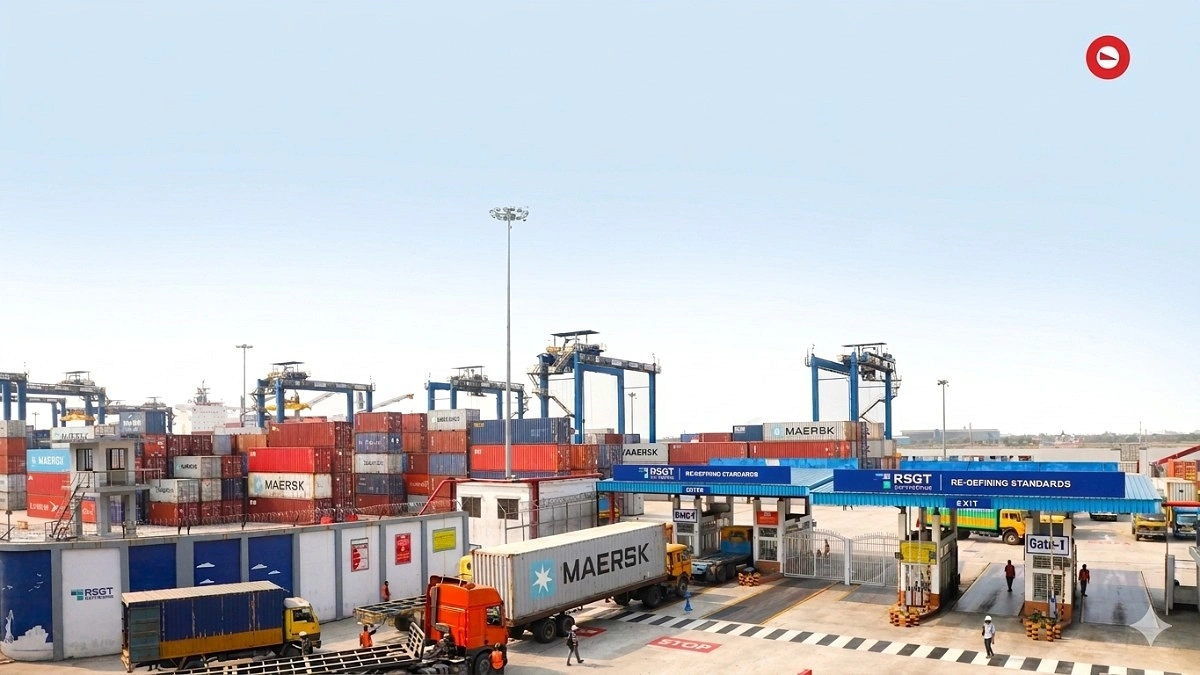
As controversy swirls over the appointment of a second international operator for Chittagong Port’s New Mooring Container Terminal (NCT), attention has naturally turned to the country’s first foreign operator, Red Sea Gateway Terminal (RSGT).
Port users are raising questions about the efficiency and targets achieved by the Saudi-based firm at the Patenga Container Terminal (PCT).
In December 2023, RSGT signed a 22-year concession agreement to operate the PCT, a contract critics claim was imposed during the previous Awami League government. While the Chittagong Port Authority (CPA) constructed the terminal using Tk 1,200 crore of its own funds, the facility lacked the necessary machinery.
PCT holds a superior position to the NCT as it is located closer to the mouth of the Karnaphuli River, reducing the distance from the outer anchorage by six miles.
Under the agreement, RSGT committed to investing $170 million in modernisation, technology, and equipment. To date, they have paid an $18.3 million concession fee and introduced 14 rubber-tyred gantry (RTG) cranes valued at $25 million.
However, despite being two years into the contract, the operator has failed to install Key Gantry Cranes (KGC).
Without these modern cranes, gearless vessels cannot berth at the terminal, leaving the PCT’s performance below the standards of the NCT and Chittagong Container Terminal (CCT). Currently, vessels must use their own cranes to handle cargo, a method typically seen at traditional General Cargo Berths (GCB).
Between January and May 2026, PCT handled 1,43,000 TEUs (twenty-foot equivalent units). This volume consisted of 50 percent imports, 19 percent exports, and 31 percent empty containers. The terminal currently averages 28,711 TEUs per month from around 11 to 12 ships. This remains far below the monthly average of 41,666 TEUs required to meet the annual target of 500,000 units.
A top official with 38 years of experience in the shipping sector remarked, “Their office environment is as smart as it gets, but the service is not that satisfactory. They are only serving Maersk Line. If they cannot serve others, it is not a port anymore. It has become Maersk’s terminal. This did not benefit trade.”
The concession agreement has faced criticism for granting RSGT “illogical special facilities,” such as priority berthing that bypasses the standard “first-come, first-served” rule applied elsewhere in the port.
Moreover, a Non-Disclosure Agreement (NDA) has kept the majority of the contract terms secret. Unlike other terminals where the port authority collects all fees and pays local operators, RSGT exercises exclusive control over all income and charges at the PCT.
Port Protection Council Leader Ibrahim Khokon said, “We got trapped by a concession agreement with ‘Red Sea’. We don’t want to make the same mistake again at NCT.”
At the time of the deal, ministers claimed the partnership would ensure jobs for Bangladeshi expatriates in Saudi Arabia and provide world-class efficiency. However, critics argue the terminal is currently demonstrating the same slow pace as traditional berths.
RSGT Chief Executive Erwin Haaze and Head of Commercial Syed Aref Sarwar Khurshed did not respond to requests for comment.

