

Vast Mineral Wealth Remains Untapped in Rangpur

Collected Photo
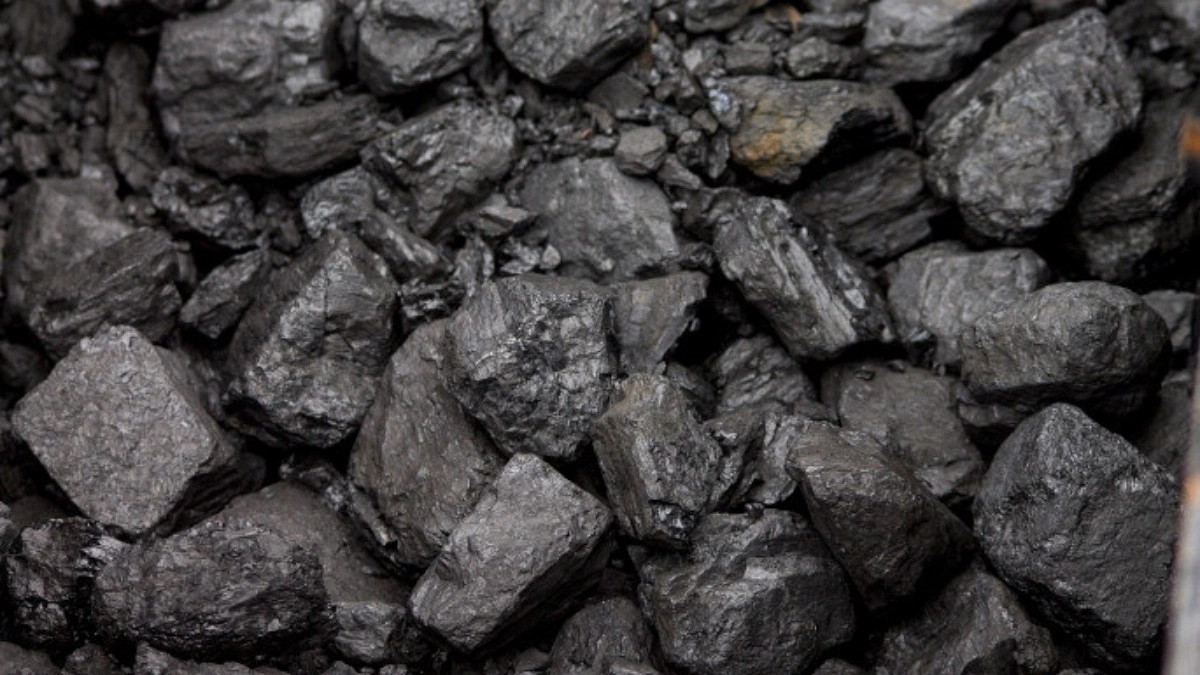
Despite decades of surveys confirming vast mineral reserves in Pirgonj, Rangpur, authorities have failed to open mines after more than 60 years of bureaucratic delays.
Geological Survey of Bangladesh (GSB) first identified coal in the Khalashpir area, located about 12 kilometers from Sadar Upazilla, between 1959 and 1962.
Another exploration in 1989-90 involving four wells across a 25-square-kilometer area revealed high-quality bituminous coal at depths between 284 and 480 meters. Experts estimate the Khalashpir field contains 828 million tons of coal, with around 675 million tons deemed extractable.
Despite submitting a feasibility and survey report to the Ministry of Power, Energy and Mineral Resources and Petrobangla in 2006, authorities have failed to reach a final decision nearly two decades later.
Beyond coal, the Velamari area in the Shanerhat and Mithipur unions holds long-standing promise for iron ore. This potential was first identified in 1965, but exploration halted following the India-Pakistan war.
While various initiatives were discussed after the independence of Bangladesh, no effective progress occurred until January 31 of this year, when the GSB launched a new exploration drive in Velamari.
During the inauguration of the new exploration, Ministry of Power, Energy and Mineral Resources Secretary Mohammad Saiful Islam said, “The resources lying beneath the soil of the northern region can make an important contribution to the development of the country and the government will take necessary initiatives in this regard.”
However, energy experts note that long-standing debates over environmental impacts, rehabilitation plans, extraction methods, and investment costs have repeatedly stalled project implementation.
GSB Deputy Director General Ali Akbar said that while previous wells indicated the presence of minerals, the government now plans to drill as deep as 1,200 meters to collect comprehensive data.

