
Governor
Bank Chairmen Blamed for Islamic Bank Looting

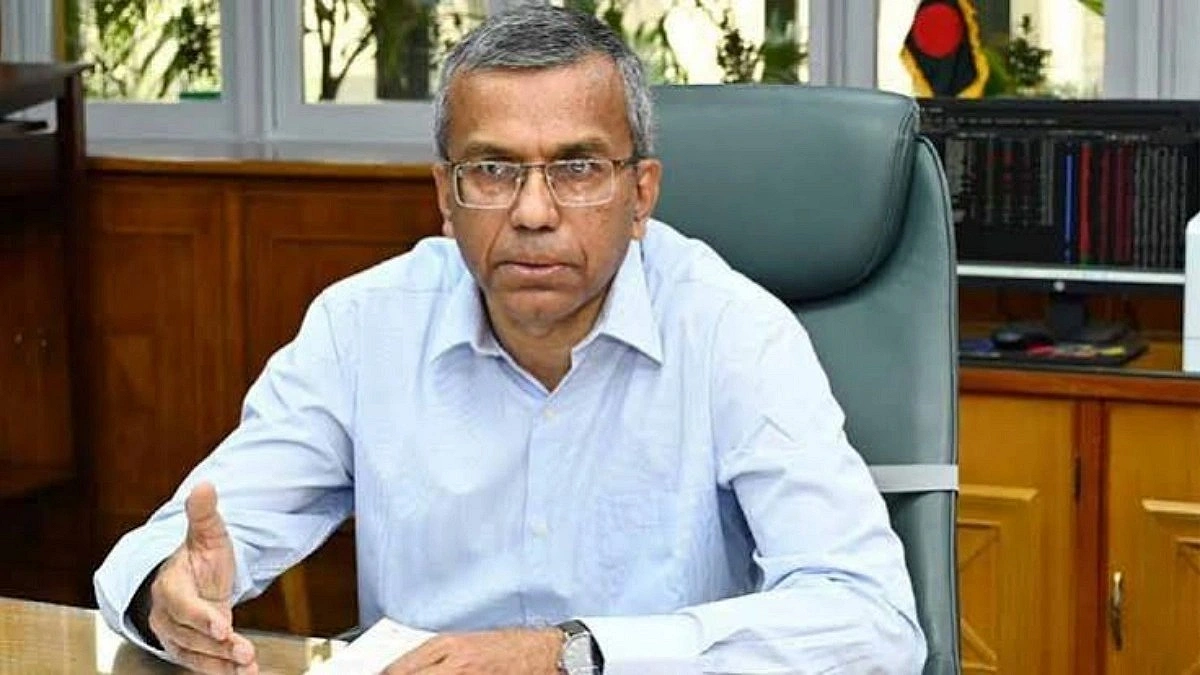
Bangladesh Bank Governor Md. Mostaqur Rahman. File photo.
Chairmen of the boards of directors bear the greatest responsibility for the large-scale irregularities and alleged looting that took place at Islamic banks in Bangladesh, Bangladesh Bank Governor Md. Mostaqur Rahman has said.
The remarks were made during a special workshop titled “The Shariah-Related Role of the Chairman of the Board of Directors in Islamic Banking Operations,” jointly organized by the Bangladesh Institute of Bank Management (BIBM) and Bangladesh Bank’s Islamic Banks Regulation and Policy Department (IBRPD) at the BIBM auditorium in Dhaka on Saturday. Multiple sources confirmed the governor’s comments to Agamir Somoy.
According to sources, the governor said the alleged looting and major irregularities at Islamic banks occurred in full view of their boards, particularly the chairmen.
“None of these incidents could have taken place without the chairman’s approval. They happened through decisions endorsed by the board leadership,” the governor was quoted as saying before an audience that included chairmen of nearly 45 banks.
Referring to the banks affected by the alleged financial scandals, the governor said customers entrusted their savings to Islamic banks with the belief that their deposits would remain secure.
“People placed their money in Islamic banks based on trust. It was everyone’s responsibility to protect that trust. However, the way board directors and chairmen carried out their responsibilities has raised serious questions. They cannot avoid accountability for negligence,” he said, according to sources.
The governor added that restoring public confidence in the country’s banking sector has become a major challenge because of the actions of those responsible.
In his opening remarks, BIBM Director General Dr. Md. Ejazul Islam said strict adherence to Shariah principles not only strengthens customer confidence in Islamic banking but also promotes stability, transparency, and sustainable growth in the sector.
He emphasized that internationally competitive Islamic banking requires stronger coordination among boards of directors, bank management, and Shariah supervisory bodies.
The governor also said Bangladesh Bank is placing the highest priority on strengthening corporate governance to restore public confidence in the banking sector and is working to keep the industry free from political influence.
Bangladesh Association of Banks (BAB) Chairman Abdul Hai Sarker said Bangladesh has a relatively high number of banks compared with neighboring countries. He argued that reducing the number of banks to a more reasonable level would improve management, oversight, and operational efficiency.
Deputy Governor Dr. Md. Kabir Ahmed said ensuring Shariah compliance and good governance is essential for the healthy development of the banking sector under the new regulatory framework.
Bangladesh Bank Executive Director Ashraful Alam, who heads the Islamic Banks Regulation and Policy Department, said the implementation of the new law would further strengthen Islamic banking operations.
The workshop also featured three technical presentations by members of Bangladesh Bank’s Shariah Advisory Board. During the open discussion session, participants shared recommendations on improving governance, strengthening Shariah supervision, and advancing the country’s Islamic banking system.
