
Global oil prices nearing $100 again

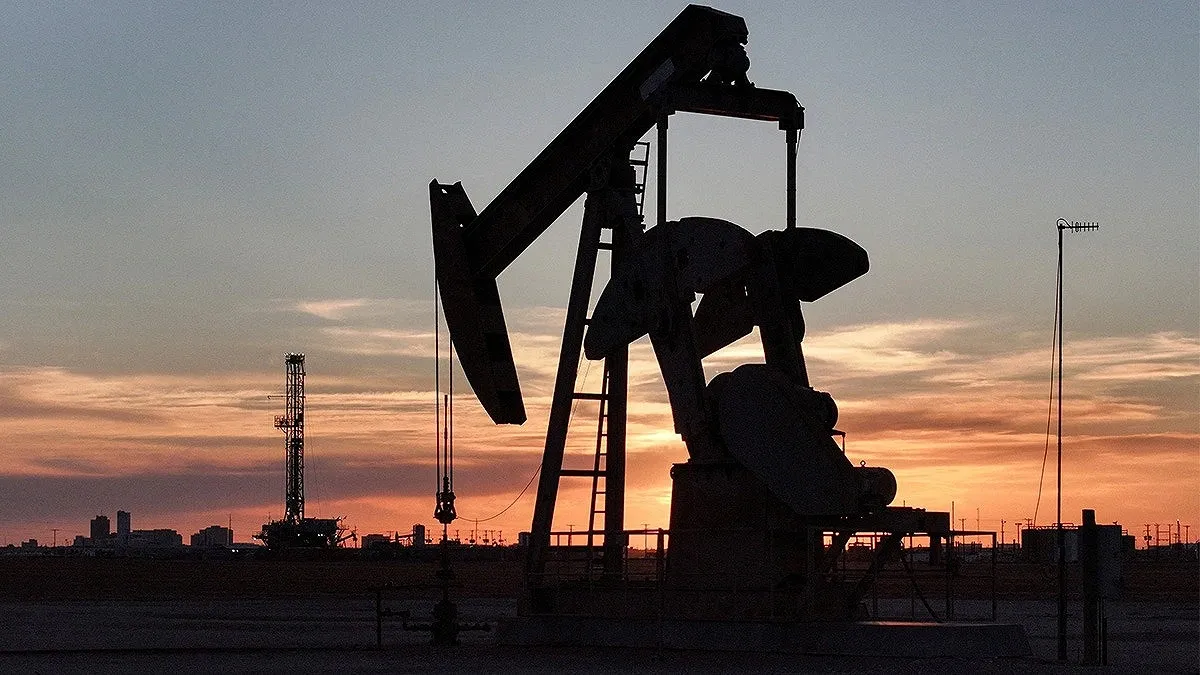
Collected Photo
The tit-for-tat attacks between Iran and the United States have sent shockwaves through the oil market. As a result, the price of this fuel has reached its highest level in the past month and a half, hitting $97.49. There are now growing concerns that prices will once again cross the $100 mark.
At the end of February, following US and Israeli strikes on Iran, oil prices rapidly surged past $100. At that time, the deteriorating situation even raised fears that prices might exceed $200. However, prices fell back below $100 after the conflict temporarily paused.
Meanwhile, WTI Crude prices have reached their highest level in three months.
According to Oil Price.com, Brent Crude Oil was priced at $97.49 per barrel on Monday, which is 1.21% higher than the previous day.
Prior to this, on July 23, the price of Brent Crude per barrel had crossed $100. Although prices dropped slightly the following week, they have since turned upward again.
On May 4, Brent Crude hit a peak of $114.44. At that time, Washington tried to pressure Iran in various ways to open the Strait of Hormuz in order to lower oil prices. After a 60-day "ceasefire" between the two sides, the conflict temporarily subsided, and the oil market stabilized somewhat.
This morning, West Texas Intermediate (WTI) Crude, known as the US benchmark, rose by more than 1% to $92.20. Previously, on July 23, Brent Crude had reached $92.19.
Subsequently, fuel prices dropped significantly. On August 5, WTI Crude oil prices fell to $75. Since then, prices have also been on the rise.
With the tit-for-tat attacks between the two sides ongoing, there are no signs of oil prices decreasing anytime soon. Meanwhile, Tehran has unveiled new plans regarding the Strait of Hormuz, including approving a new route and enforcing a prohibited zone there. Washington appears unlikely to accept this, raising fears of further escalation. Consequently, experts believe that countries dependent on the Strait of Hormuz for fuel transportation will inevitably face further crises. (oilprice.com)
