
7 Opec+ countries to raise crude oil production

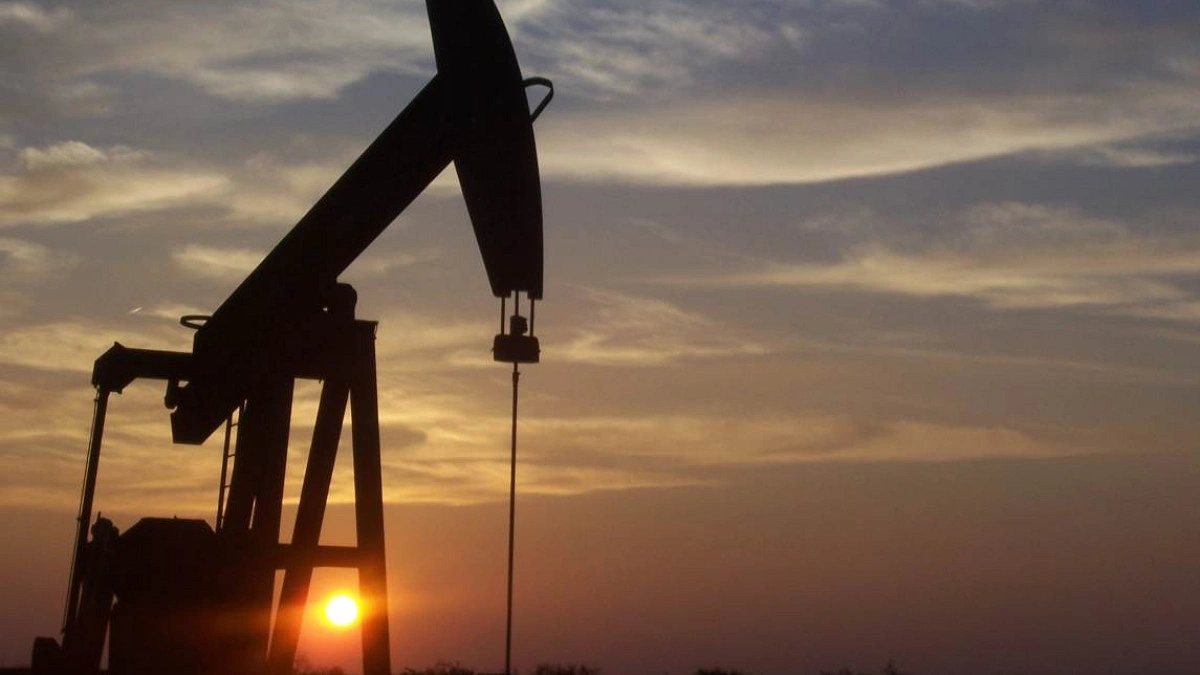
A well-pump jack. Photo courtesy: Wikipedia.
As global crude prices continue to slide, a core faction of the OPEC+ alliance has finalized plans to marginally increase oil output next month. The decision reintroduces more supply to a market that has seen fuel prices plunge to pre-war levels, reversing the spikes triggered by the military conflict between Iran, Israel, and the United States.
Modest Output Hikes Approved
The Organization of the Petroleum Exporting Countries and its broader coalition (OPEC+) announced on Sunday that seven member nations will boost their collective oil production by 188,000 barrels per day starting in August. This policy update marks the fifth consecutive month that the alliance has moved to expand oil output. The seven participating countries taking part in the coordinated increase include: Saudi Arabia, Russia, Iraq, Kuwait, Kazakhstan, Algeria and Oman.
"The countries will continue to monitor and assess market conditions, and in their continuous efforts to support market stability, they reaffirmed the importance of adopting a cautious approach," OPEC+ stated in an official release.
Easing Tensions in the Strait of Hormuz
The shift toward increased production comes amid a wave of market optimism driven by recent diplomatic breakthroughs. Crude prices tumbled following an interim agreement brokered between Washington and Tehran. Under a broader memorandum of understanding, Iran agreed to grant commercial vessels unhindered passage through the critical Strait of Hormuz, while the U.S. agreed to lift its blockade on Iranian ports. Historically, roughly 20% of the world's oil supply transits through the Strait of Hormuz. While commercial traffic is gradually accelerating, transit volume has not yet recovered to pre-war numbers. Friction still lingers over the waterway; just last Thursday, Iran's joint military command explicitly warned that oil tankers failing to stick to its approved routes would face a "forceful response." Crude Prices Retreat from Historical HighsEven with the lingering friction, oil prices have extended their downward trajectory as negotiators work toward a permanent peace treaty. Shortly after commodities trading opened on Sunday night, the international benchmark, Brent crude, dipped below $72 a barrel. This brings energy prices close to where they sat before the U.S. and Israel executed strikes against Iran in late February—and represents a steep drop from March, when supply panics briefly forced prices up near $120 per barrel.
The initial outbreak of the war paralyzed global energy networks. Because the blockade in the Strait of Hormuz kept most oil landlocked, previous incremental production increases by OPEC+ did very little to offset the global supply shortfall. Many Middle Eastern producers were forced to cut their output simply because they lacked viable shipping routes.
A recent estimate from S&P Global Energy projects that oil production across the Persian Gulf will not fully recover until at least the first quarter of 2027. Consequently, energy analysts continue to warn that retail fuel prices and broader consumer goods could remain inflated long after a formal peace agreement is signed. (Source: ABC News.)
