
100 Days of BNP Govt
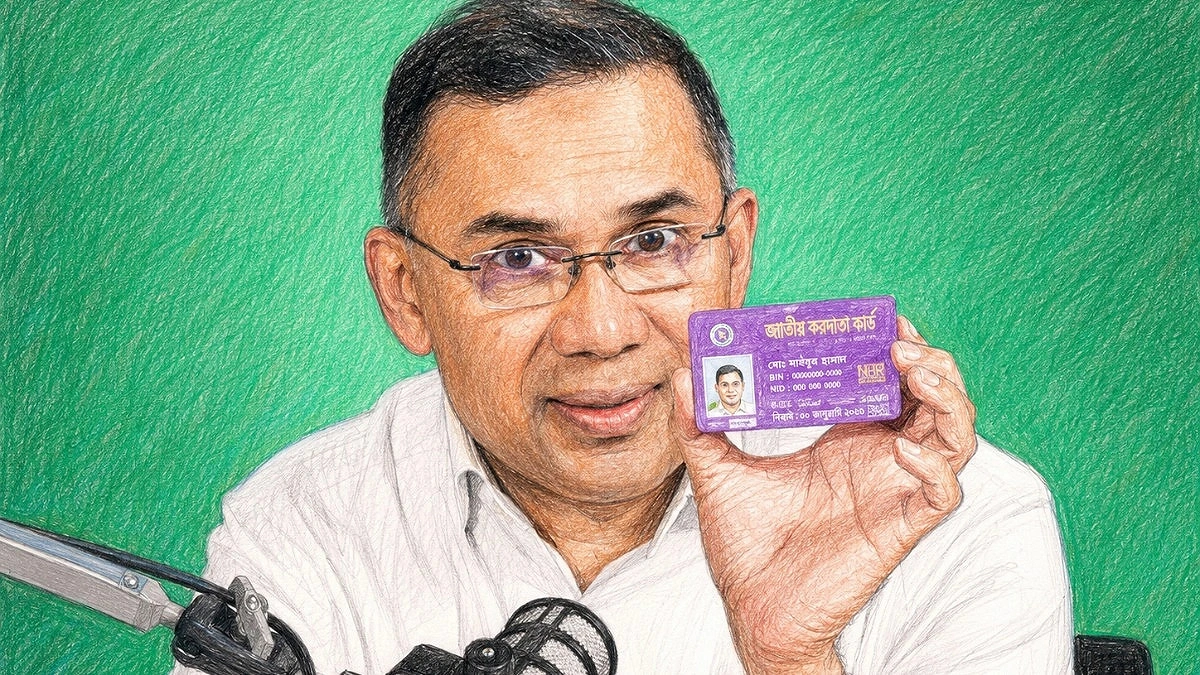
From family cards to reopening closed factories, PM takes multiple initiatives

Graphics: Agamir Somoy
In its first 100 days in office, the BNP government led by Tarique Rahman has taken a series of initiatives across social security, agriculture, health, infrastructure, and the economy.
Soon after assuming office, the government introduced the “Family Card” program to strengthen women-focused social safety nets, aiming to bring low- and middle-income families under direct support. At the same time, honorarium programs were launched for imams, muezzins, and khatibs.
To ease public hardship, the government abolished the additional monthly charges on prepaid electricity meters, a move expected to reduce financial pressure on consumers.
Focus on agriculture and the rural economy
To support small farmers, the government decided to waive agricultural loans of up to Tk 10,000, including interest. Alongside this, a “Farmer Card” has been introduced to make agricultural management simpler and more transparent. A nationwide canal excavation program has also been revived to improve rural water management.
To address water scarcity and boost agriculture in the south-western region, the government has taken steps to implement the Padma Barrage Project, which experts say could have positive impacts on farming and inland navigation if realized.
Momentum in transport and infrastructure
Preparations have begun to implement the Teknaf–Tetulia Economic Corridor to strengthen trade and regional connectivity. Meanwhile, construction of the third terminal at Hazrat Shahjalal International Airport is progressing rapidly, with a target to inaugurate it by December 16.
For higher education students, the government has expanded bank guarantee facilities for studying abroad. Initiatives are also underway to introduce high-speed free Wi-Fi at airports and on trains.
Steps in health and youth development
In the health sector, the government has claimed that measles vaccination coverage has reached nearly 100 percent of children. It has also announced plans to increase maternity leave and ensure 5 percent of GDP allocation to health.
To promote sports and nurture young talent, the government has launched the “Sports and Notun Kuri” program.
Progress on cabinet decisions
According to officials, implementation of cabinet decisions is moving forward across ministries, as the government seeks to demonstrate momentum and delivery during its initial 100 days in power.
From 17 February to 24 May, a total of 60 important decisions were taken in 10 cabinet meetings. According to government information, 37 of these decisions have already been implemented, while the remaining ones are currently in the process of implementation.
Economy and Anti-Corruption Measures
The government has announced a target of transforming Bangladesh into a trillion-dollar economy by 2034. At the same time, it has reiterated a firm stance against corruption. As part of this effort, the government reported that assets worth Tk 4,264 crore belonging to the S Alam Group have been seized.
In addition, USD 90.66 million in foreign debt has been repaid. The government has also stated that agreements have been signed with three countries to recover money that was illegally transferred abroad.
A special fund of Tk 60,000 crore has been announced to reopen closed industrial factories. Alongside this, an initiative has been taken to introduce an “LPG card” to reduce cooking costs for low-income households.
Prime Minister’s adviser Mahdi Amin told Agamir Samay, “Since assuming office, the government has moved swiftly to implement its election pledges. A 180-day action plan has been set for every ministry. Various programs in the first 100 days will not only strengthen social security but also help build a strong foundation for long-term economic growth.”
