
How Long Will Power be Available from Rooppur?

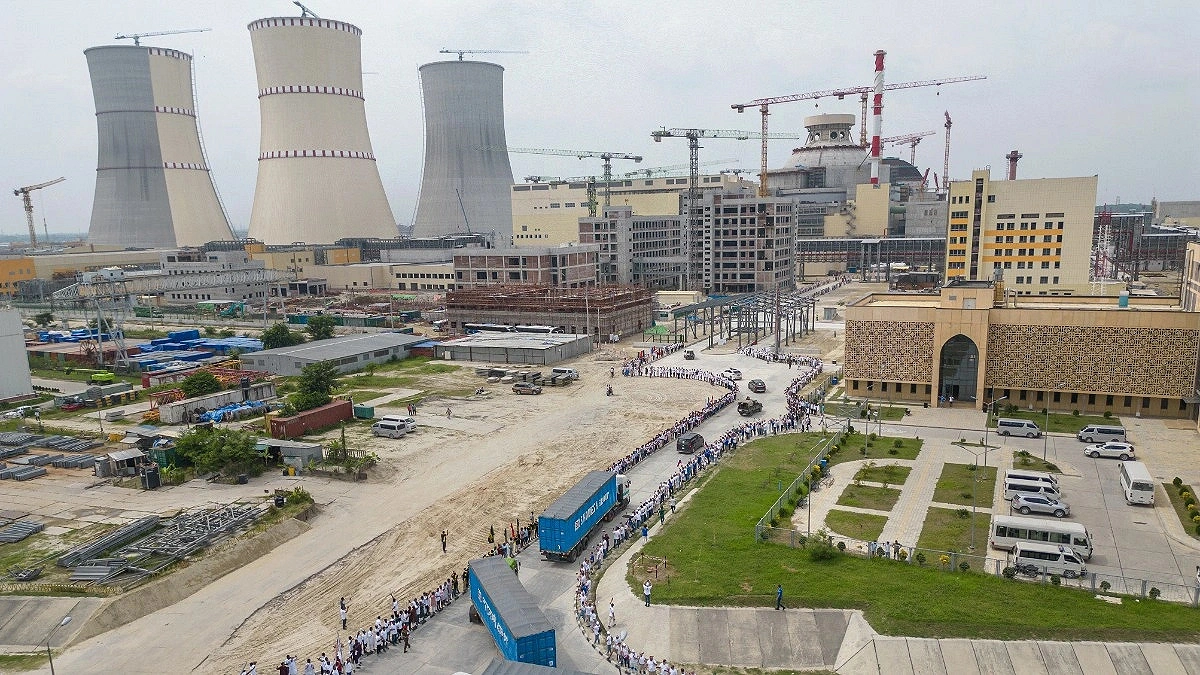
Image: Rosatom
Fuel loading begins today at the country's maiden nuclear power plant in Rooppur of Pabna district. With this milestone, Bangladesh officially joins the ranks of nuclear power-producing nations as the 33rd member.
Located on the banks of the Padma River in Ishwardi, amidst lush greenery, the Rooppur Nuclear Power Project has been silently preparing for years for this very moment.
The big question is: For how long will we get electricity from this plant?
Lifespan and Continuity
The standard operational lifespan of the power plant is 60 years, during which it will provide uninterrupted electricity. However, with necessary repairs and maintenance, there is an option to extend its lifespan by an additional 30 years.
Fuel Efficiency
Once the fuel is loaded, the plant can run continuously for 1.5 years. This eliminates the logistical headaches associated with other power plants that require constant supplies of oil, gas, or coal. After every 18 months, one-third of the fuel will need to be replaced.
Supply and Sustainability
According to the construction agreement:Initial Support: Russia will supply the fuel for the first three years. After this period, Bangladesh will be responsible for importing the uranium.
Following the initial phase, fuel changes will only be required every two years
This project is more than just a power plant; it is the realization of a long-held dream for Bangladesh. It stands as a bright symbol of the country's technological advancement, energy security, and sustainable development.
Capacity and Impact
The combined capacity of the two units is 2,400 MW. Fuel loading is currently commencing for the first unit, while work on the second unit is progressing at full speed. Once fully operational, the plant is expected to breathe new life into the country's industrial, agricultural, and urban sectors.
Economic Opportunity
The Rooppur Nuclear Power Plant has directly created employment opportunities for approximately 2,500 people. Furthermore, during the construction phase, between 20,000 to 25,000 people had been working at the project site, daily.
