


Nepal Devastation
Number of missing rises to nearly 3,000 as UNICEF says 17,000 children need aid

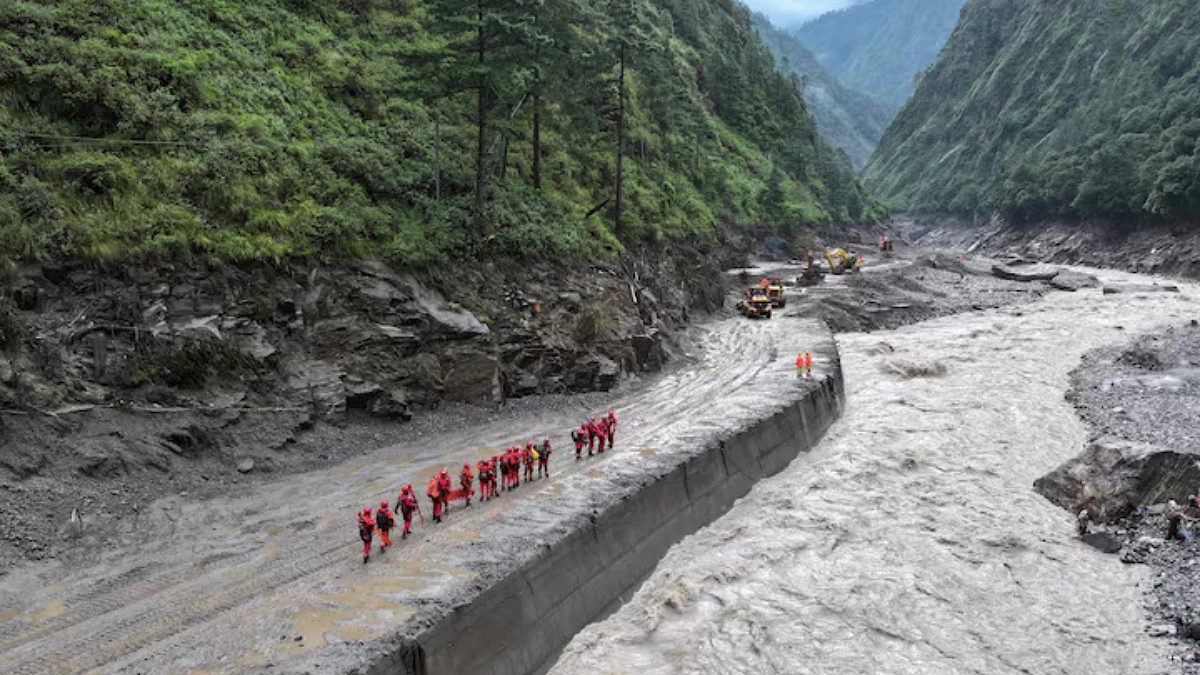
Reuters photo.
Search and rescue operations in Nepal and Tibet face mounting peril following a catastrophic glacial collapse that triggered a massive deluge of ice, mud, and debris. The USGS confirms the disaster—Nepal’s deadliest since the 2015 earthquake—swept away entire villages, submerged hydroelectric plants, and left almost 3,000 people missing, including 933 workers at hydropower projects, regional trekkers, and pilgrims.
The death toll continues to rise, with emergency crews recovering 682 bodies, some of which were carried as far downstream as India. In Nepal, relatives are searching overburdened capital-area hospitals for missing loved ones, while UNICEF warns that roughly 17,000 children are in urgent need of humanitarian assistance as local food and clean water supplies dwindle.
Challenges Facing Emergency Teams
Hydropower Tunnel Traps: Over 100 workers remain trapped inside the Trishuli 3A project tunnel. Military helicopters are attempting extractions, though pinpointing mud-choked entry points remains difficult despite already evacuating 350 people from the site.
Secondary Burst Threats: Rescuers were forced to temporarily retreat after warnings that a debris-formed dam on the Tibetan side had burst, threatening downstream areas.
Tibet Stoppages: Chinese operations near Gyirong were briefly halted when an upstream dammed lake began to overflow, though water levels later stabilized, allowing crews to resume work.
With international aid mobilizing—including support offered by Chinese President Xi Jinping—rescue teams continue to navigate high mud deposits and volatile water conditions in a race against time to pull survivors from the wreckage.
Chinese President Xi Jinping, who chaired a meeting on rescue efforts, offered Beijing's help to Nepal's emergency operations.
Emergency teams had been racing to retrieve survivors from affected zones, where the widespread devastation meant food and water supplies were running out.
The Nepali military located people trapped in the tunnel of Trishuli 3A hydropower project, where they were working to find a way in to extract the survivors. (Source: Euro News)


