
Otsu City of Japan and Our Dhaka...

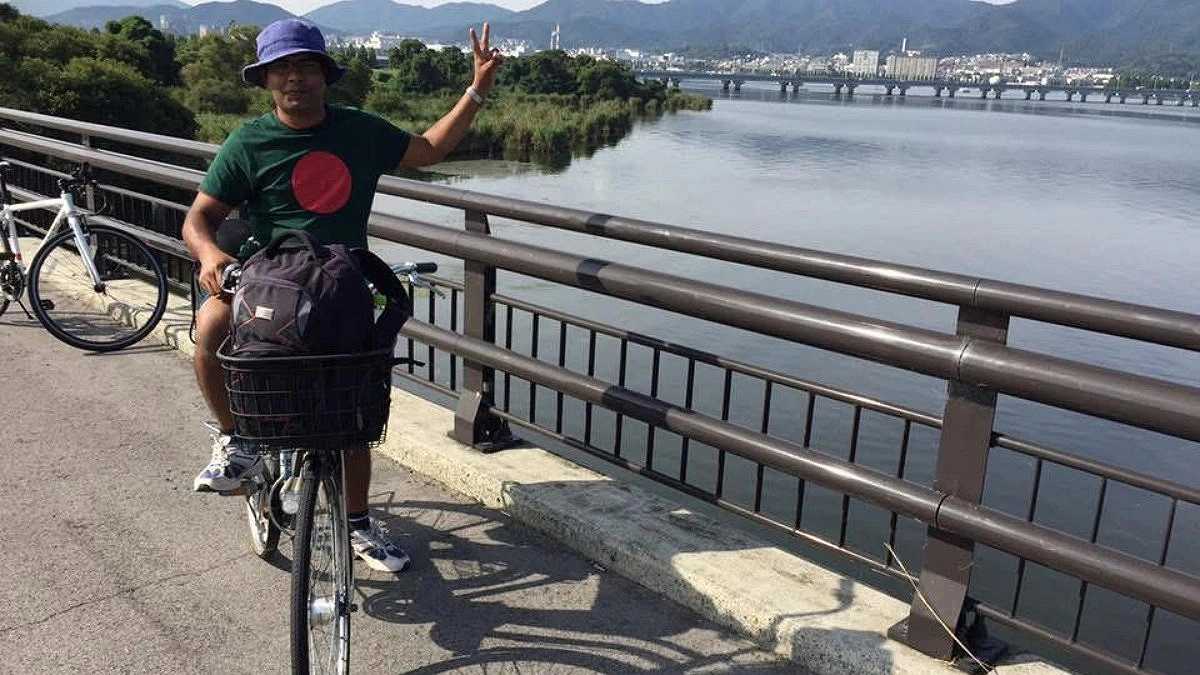
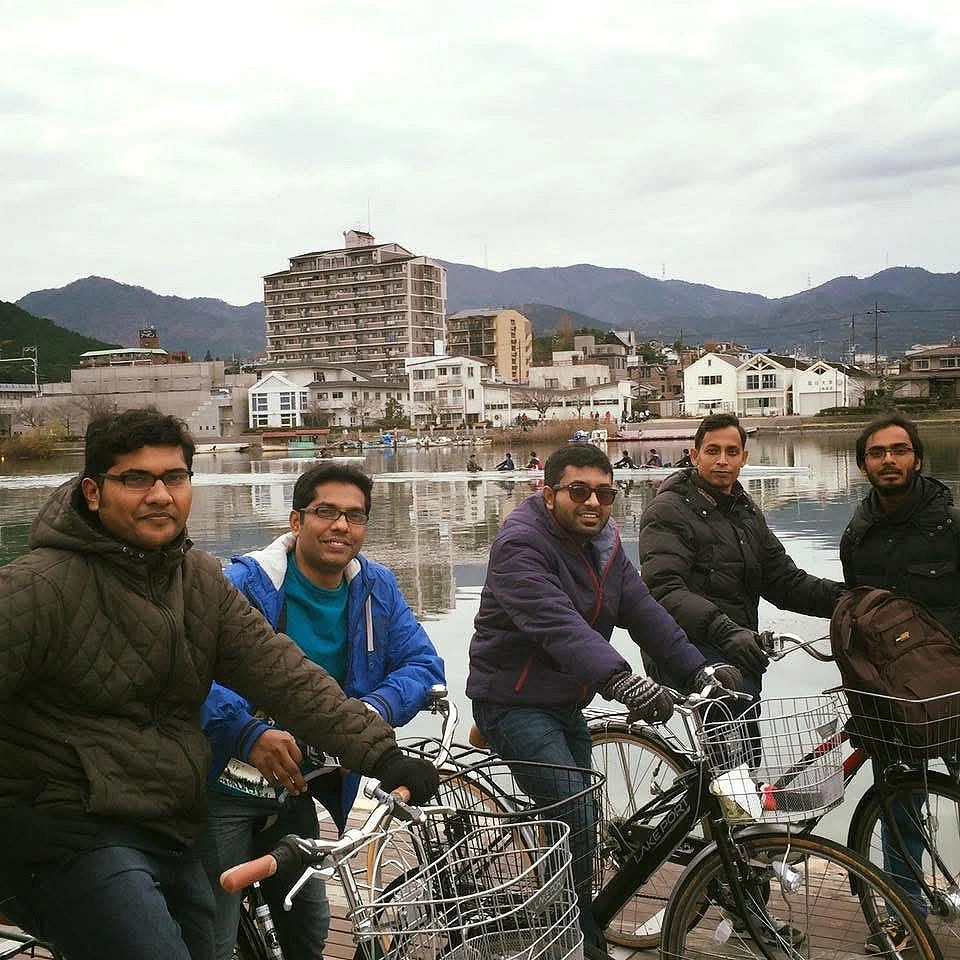
Most of the wide roads in Otsu City have separate lanes for bicycles. Photo: Collected.
During my master's and PhD studies at the Biwako-Kusatsu Campus of Ritsumeikan University, I had the privilege of living in Otsu, the capital city of Japan’s Shiga Prefecture, for over five years. Located near the ancient capital of Kyoto, what fascinated me most about this city was its disciplined, safe, and highly efficient traffic system. Japan is globally renowned not only for its technological and economic prowess but also for its civic discipline and respect for the law. These traits are vividly reflected in the roads and traffic management of Otsu.
The Landscape of Discipline
The roads in Otsu are remarkably clean, well-planned, and regularly maintained. Lane markings are crystal clear, and modern traffic signals are installed at major intersections.
Pedestrians benefit from dedicated sidewalks, clear zebra crossings, and accessibility features for people with disabilities. Most of the city's wider avenues feature separate bicycle lanes, promoting eco-friendly and healthy commuting. This harmonizes the flow of different vehicles and significantly minimizes the risk of accidents.
However, the most commendable aspect of Otsu’s traffic system is the discipline of its citizens. Drivers strictly adhere to speed limits, and traffic violations are incredibly rare. The moment a pedestrian approaches a zebra crosswalk, drivers spontaneously stop to let them pass. Unnecessary honking, abrupt lane changes, or reckless overtaking are virtually nonexistent. Honking is reserved strictly for emergencies. In my five years there, I barely recall hearing a car horn more than once or twice. Even in the dead of night, drivers stop at red lights—even when there are no other vehicles or police officers around. This behavior is a direct reflection of legal respect, social responsibility, and self-restraint.
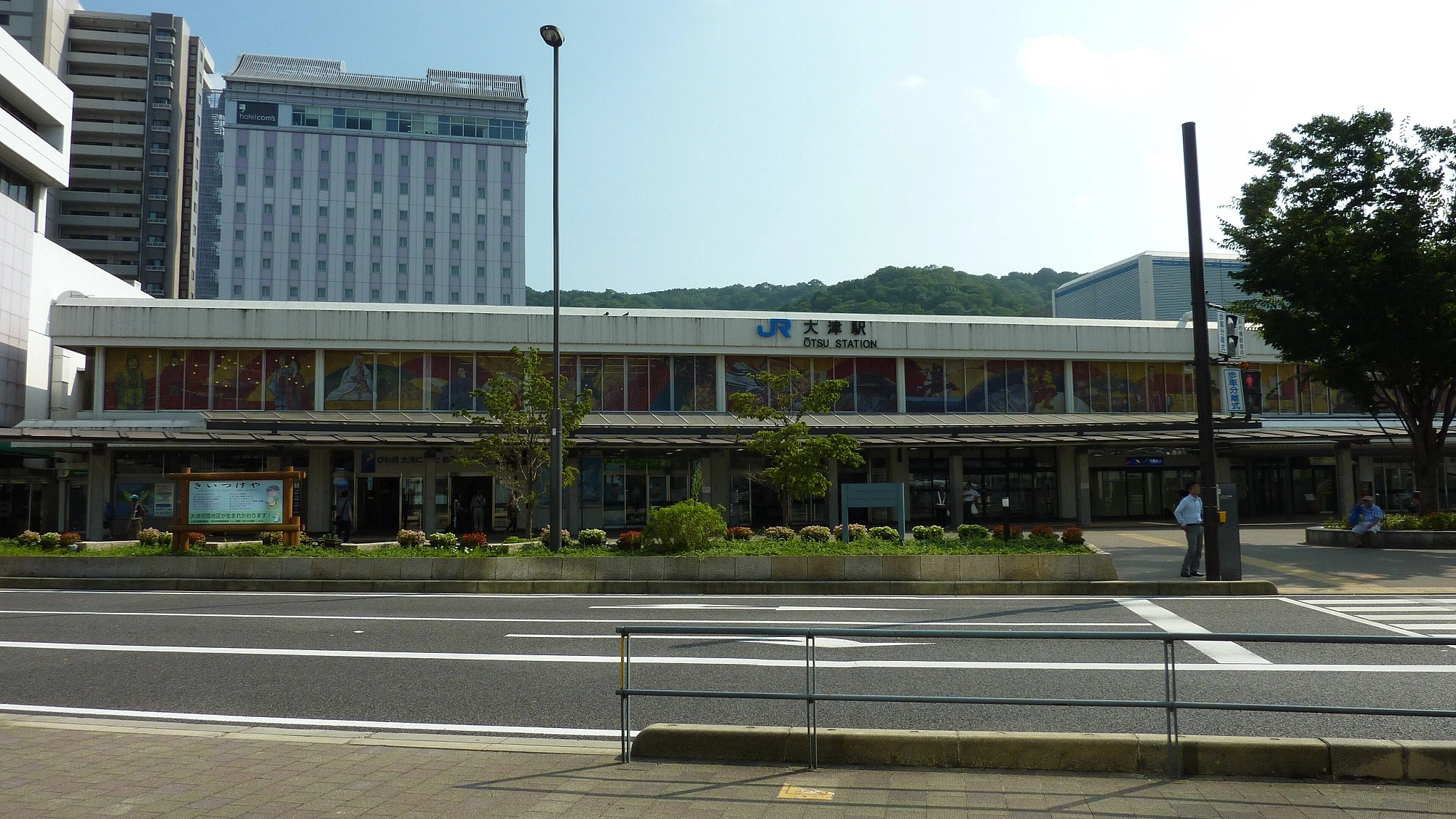
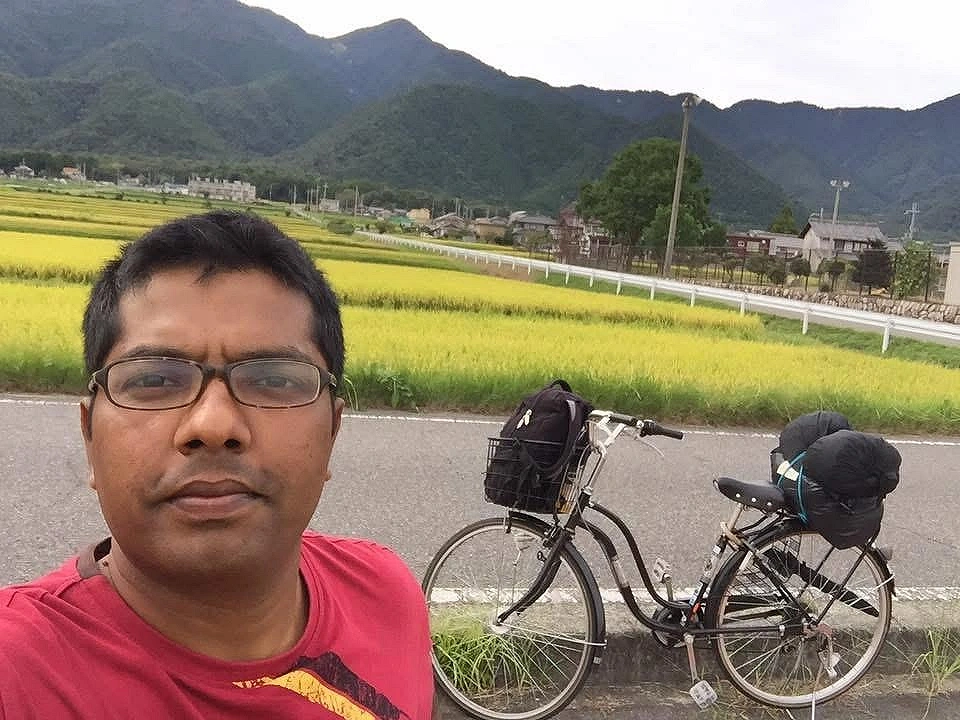
The writer in Otsu City.
Moreover, public transportation plays a pivotal role in keeping Otsu’s traffic efficient. Trains and buses run like clockwork, adhering strictly to schedules, prompting most residents to prefer public transit over personal vehicles. The seamless integration between roads, railways, metro, and subways in Japanese cities ensures that prolonged traffic jams are rare, despite high vehicle volumes.
A Lesson for Dhaka
Many believe that Japan is free of traffic congestion simply because its roads are wide. In reality, it is not that simple. Many Japanese cities retain old, narrow streets that heavily resemble the alleys of Old Dhaka. There are numerous roads where if one car enters, a vehicle from the opposite direction must wait. However, through long-term planning, the Japanese government continuously widens and modernizes roads in older, mountainous, and inaccessible terrains.
Strict Law Enforcement and the Risk of Being Caught
In Japan, even if police presence isn't always visible, law enforcement is highly effective. If an irregularity or an accident occurs, the police arrive within moments. In 2016, some friends and I were traveling to the Okayama beach in three microbuses. On the expressway, when one of our vehicles temporarily pulled over to wait for the others, a police car arrived within a minute. On another occasion, around 9:00 PM, as I stepped out of the university gate and got onto my bicycle in the bike lane while speaking on my mobile phone, a police officer sounded the siren, stopped me, and warned that doing this in the future would incur a fine of 50,000 Yen. These experiences show that the likelihood of getting caught for violating traffic rules is extremely high. Furthermore, severe measures like heavy fines, demerit points on licenses, and license revocation for serious traffic violations ensure that most people spontaneously adhere to the rules.
The Stark Reality of Dhaka
On the flip side, the traffic situation in Bangladesh’s capital, Dhaka, presents a completely different reality. As one of the most densely populated cities in the world, an immense number of people and vehicles use its roads every day.
Limited road infrastructure, rapid urbanization, a mixed flow of diverse vehicle types, and inadequate implementation of traffic rules make prolonged gridlocks a daily torment. Many drivers disregard lane discipline, and safe pedestrian crossings are rarely guaranteed. Consequently, besides the massive waste of time and fuel, environmental pollution continues to escalate.
Another major loophole in Dhaka's traffic system is weak law enforcement. In many cases, violating traffic laws does not result in effective punishment. The number of unlicensed or poorly trained drivers is also significant. Particularly among some auto-rickshaw and small vehicle drivers, a stark lack of knowledge regarding traffic regulations contributes to road chaos and heightens the risk of accidents.
Path to Improvement and the Way Forward
However, there is a ray of hope. Dhaka has already launched its metro rail, constructed expressways, and initiated various modern traffic management projects. Alongside these infrastructural developments, if a culture of obeying traffic rules can be fostered among citizens and law enforcement is made more effective, a significant turnaround is entirely possible.
At the same time, freeing sidewalks from illegal occupation, building pedestrian-friendly infrastructure, and promoting bicycle use can reduce environmental pollution while boosting public health. In this regard, the excellent network of 'YouBike' rentals in Taiwan's capital, Taipei, could serve as an exemplary model. It stands out as both an effective public transit solution and an excellent business model.
In conclusion, the traffic system of Otsu is not merely the product of advanced infrastructure; rather, it is a reflection of civic awareness, social responsibility, and a collective respect for the law. If the residents of Dhaka and those involved in urban governance can embrace and implement these core values, it will be entirely possible to build a safer, more disciplined, and highly efficient urban transport system for the future.
(The Author: Additional Director, Bangladesh Bank)
