


5 Years into Taliban Take Over: Afghanistan struggles to unshackle international Isolation

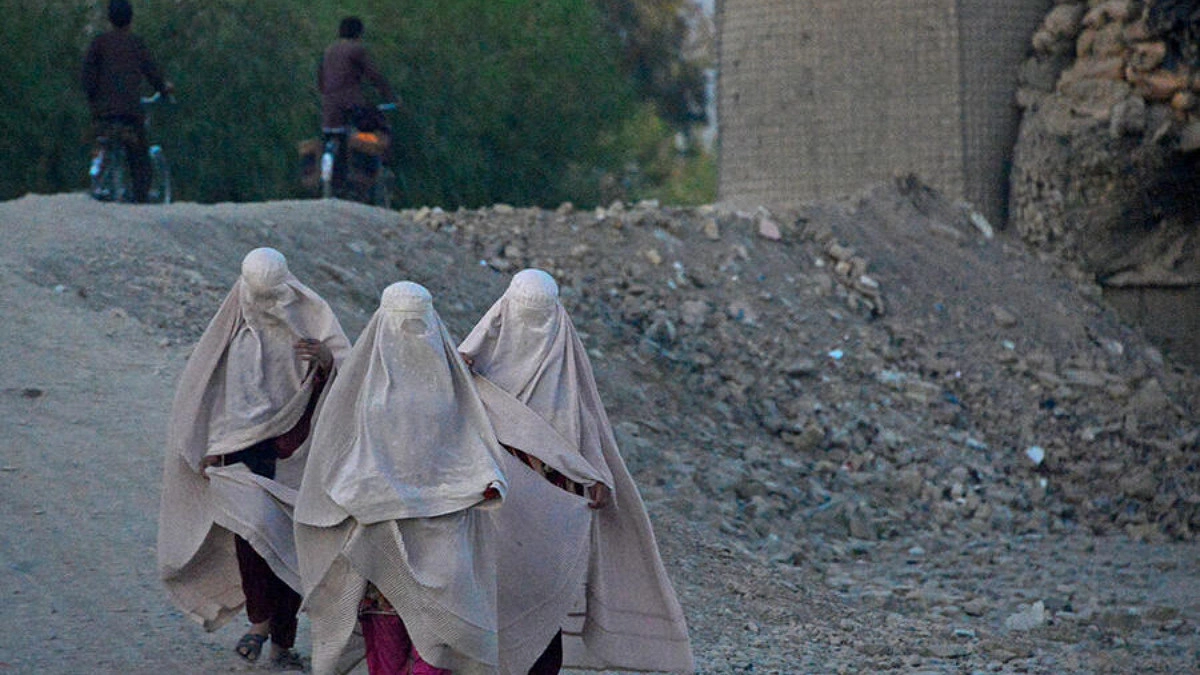
Collected Photo
A full five years have passed since the Taliban marched into Kabul on August 15, 2021, yet Afghanistan remains largely cut off from the global community.
To date, Russia stands as the only country that has formally recognized the Taliban administration. Most other nations have adopted a cautious stance, withholding official recognition and demanding concrete domestic reforms—particularly on human rights—before re-establishing diplomatic ties. The bulk of Western nations suspended their development aid in the immediate aftermath of the 2021 takeover.
Despite this diplomatic freeze, practical necessities have driven intermittent engagement. The United Kingdom and various European Union member states, for example, have held dialogues with Afghan leaders. Most notably, a Taliban delegation traveled to Brussels in June for negotiations with 15 EU countries concerning the return of failed asylum seekers. That invitation, however, drew sharp condemnation from EU parliamentarians and rights advocates, who argued that deporting individuals back to Afghanistan is reckless in a climate where women and girls are systematically excluded from public life and any form of dissent carries grave risks.
A "Graveyard for Human Rights"
The United Nations has officially categorized the Taliban's draconian policies on female education, employment, and unrestricted movement as "gender apartheid."
This week, the UN's cultural agency, UNESCO, released alarming new data: approximately 2.4 million Afghan girls are currently deprived of secondary schooling. The ban, initially imposed on girls' secondary schools in March 2022 and later extended to universities for young women later that same year, is justified by Taliban authorities through their strict interpretation of Islamic law.
UNESCO further noted that the number of affected girls has swelled by 200,000 over the past year. If the prohibition remains in place, the agency warns that the figure could soar to nearly 4 million by 2030.
Beyond the immediate educational crisis, UNESCO estimates that the higher education ban will systematically push hundreds of thousands of women out of the workforce, significantly increase the prevalence of early marriages, and ultimately cost the Afghan economy a staggering $9.6 billion (€8.3 billion) in lost income by the year 2066.
Afghan Women Barred from Parks, Gyms, and UN Sites—UN Rights Chief Calls Country "Graveyard for Human Rights"
Beyond the sweeping bans on secondary and higher education, Afghan women and girls are now excluded from a vast array of public spaces—including parks, gyms, beauty salons, and even United Nations premises. These restrictions, coupled with public executions and floggings, arbitrary internet shutdowns, mass arrests, and severe media censorship, have led UN Human Rights Chief Volker Türk to describe Afghanistan as nothing less than "a graveyard for human rights."
Economic Collapse and Natural Disasters Compound the Crisis
The Taliban's return to power triggered a sharp economic contraction, while repeated earthquakes have damaged critical water and sanitation infrastructure across the country. At the same time, the return of millions of Afghan refugees from neighbouring states has placed immense additional strain on already scarce resources.
Battered by the withdrawal of international funding, the Taliban authorities have actively sought to diversify their foreign partnerships. Their diplomatic drive has included high-profile visits to Kabul by envoys from China, Japan, Turkey, Saudi Arabia, the United Kingdom, and others—visits that the government has been keen to publicise.
This year, officials from Tajikistan, Turkmenistan, Kyrgyzstan, Uzbekistan, and Kazakhstan gathered in the Afghan capital as the Taliban seeks to capitalise on Central Asian countries' interest in establishing trade corridors that would run through Afghanistan and provide access to seaports beyond its borders.
Regional Pragmatism vs. Western Caution
Erica Gaston, who served on a UN Security Council–mandated team tasked with identifying ways to tackle Afghanistan's challenges, told AFP that regional nations have always taken a more pragmatic approach to engaging with the Taliban. "You had much more receptivity among regional member states to say, 'this is the reality that we have in our region and engagement is inevitable'," said Gaston, now head of the Conflict Prevention and Sustaining Peace Programme at the United Nations University Centre for Policy Research.
While the Taliban has promoted cross-border infrastructure projects to revive the fragile economy and expanded the mining sector—attracting firms from China and elsewhere—foreign investment remains scarce. Investors are wary of dealing with a government that lacks broad international recognition, and many countries have held back further ties until they see tangible changes on the ground.
Calls for Re-engagement and a Sanctions Rethink
Aid organisations have urged greater international dialogue with the Taliban authorities to facilitate humanitarian delivery and support long-term development. Some analysts argue that ending Afghanistan's political isolation would actually serve Western interests by preventing further displacement and instability, while also reducing the chances of other extremist groups gaining a foothold in the region.
In June, India's UN envoy, Harish Parvathaneni, suggested that the current sanctions regime—which includes a travel ban, asset freeze, and arms embargo targeting dozens of Taliban members—needs to be revisited. "The political reality of Afghanistan has changed in the last five years," he said, "and the current UN sanctions regime must take that into account."
(Source: Radio France International)

