
West Bengal
Ending Muslim Laws, Uniform Civil Code to be Implemented

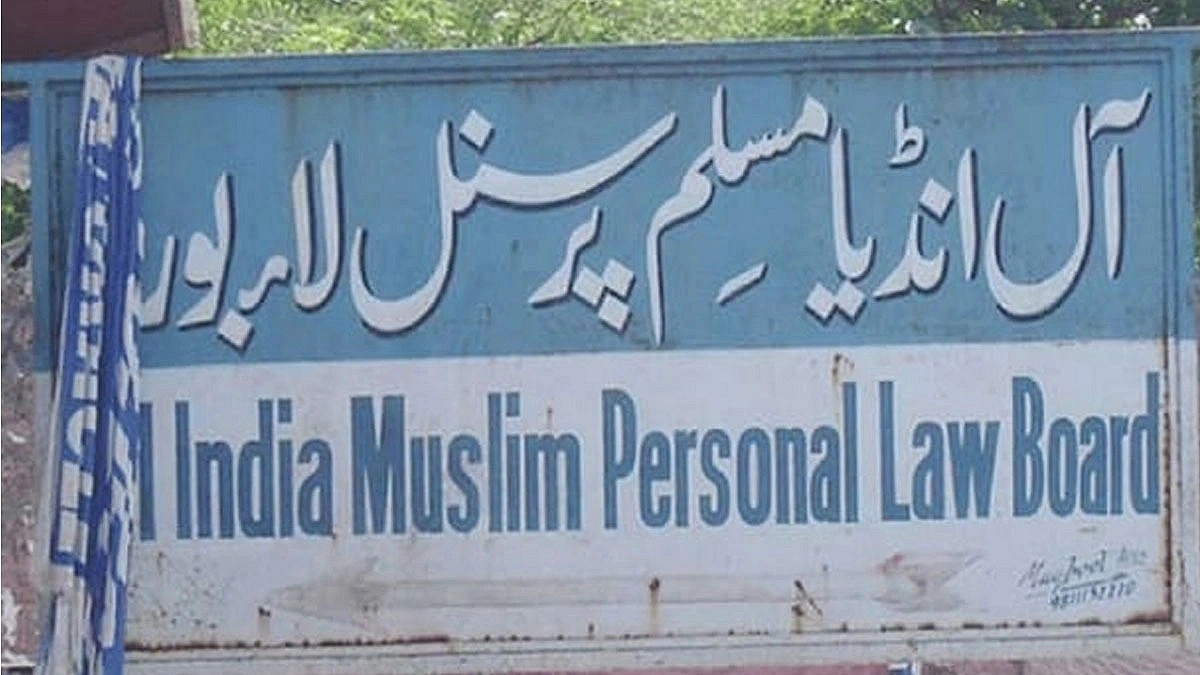
Representational Image. Agamir Somoy Photo.
West Bengal Chief Minister Suendu Adhikari made a major announcement regarding the Uniform Civil Code (UCC) at an event organized in Kolkata to mark the 189th birth anniversary of literary giant Bankim Chandra Chatterjee. Yesterday (Friday), he told journalists on the College Street in North Kolkata that the UCC will be implemented in West Bengal. Detailed information on this matter will be provided in the state assembly on Monday.
Adhikari said like Gujarat, Assam, and Uttarakhand, West Bengal will also implement the Uniform Civil Code following due legal process. A committee has already been formed for this purpose, and its outline will be presented in the assembly.
Currently, the UCC has raised the most questions among minority communities. This is because if the law is enacted, it may introduce a single uniform law in place of religion-based family or personal laws concerning marriage, divorce, alimony, adoption, inheritance, and property distribution and so on. At present, Muslims, Hindus, Christians, Parsis, and other communities have separate laws governing these matters. The core idea of the UCC is to enforce the same civil law for all citizens, regardless of religion.
This has created anxiety among the members of Muslim society. Their concern is that some important aspects of the long-established Muslim Personal Law—particularly regarding inheritance, family law, and religious customs—may undergo changes. Various minority organizations and critics argue that such a major social change requires detailed consultation with the affected communities. Their question is: while the concept of a uniform law may promise equality on paper, can the social and cultural realities of different communities truly be treated the same in practice?
The Trinamool Congress has also entered the debate. The Kalighat Trinamool faction said that India's strength lies in its diversity. While the party claims to support constitutional equality and justice, it argues that a sensitive issue like the UCC should not be used as a tool for political polarization. Trinamool has accused the BJP of failing to clearly explain the true purpose of this law and how it will earn the trust of various communities. Trinamool has demanded that the opinions of indigenous, marginalized, and minority groups be given due importance.
The Left camp has raised similar questions. Their position is that while there is a need for women's rights and social reform, it should not be imposed but rather achieved through dialogue and consensus. Left leaders believe that personal laws are intertwined with the cultural identity and social history of many communities. Therefore, extensive public consensus-building is essential before any legal reform.
Another important dimension of the UCC debate concerns indigenous communities and those with special constitutional protections. Government sources have indicated that special provisions may be retained for certain communities in the hills and Jangalmahal areas. However, this will remain unclear until the full draft of the bill is published. The West Bengal government has stated that it is examining the experiences of other states to develop its own model.
Meanwhile, government sources said that the Business Advisory Committee of the assembly finalized preparations to table the bill in the ongoing budget session, on Monday.
Trinamool Congress leader Sougata Roy opposed the UCC bill, stating that this law is unnecessary and that the BJP is bringing it as a reflection of its attitude towards minorities. He also reminded that Article 44 of the Constitution is not mandatory. Additionally, Abhishek Banerjee alleged that the UCC could impact people's freedom to practice their religion. He claimed that the traditional rights of indigenous and Kurmi communities could also be harmed.
