
End of Iran War Brings Relief for Turkey

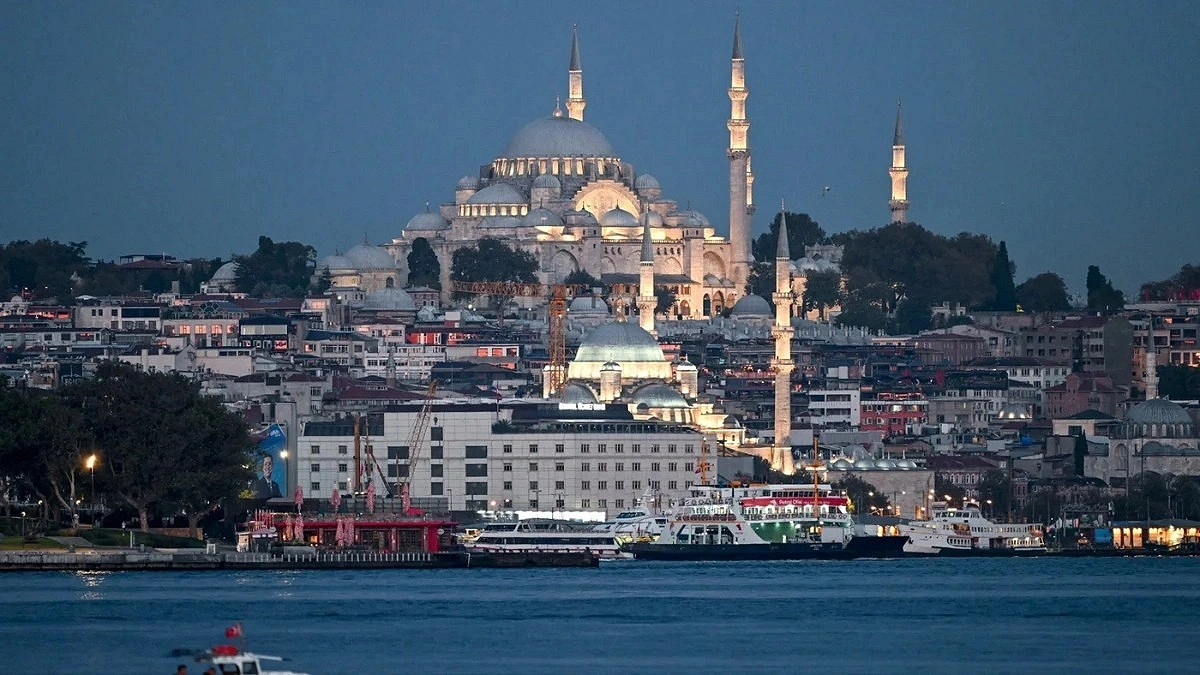
File Photo
When US President Donald Trump ordered strikes on Iran at the end of February, Turkish officials suddenly found themselves cornered amid escalating regional tensions.
Despite repeated diplomatic efforts to prevent the conflict, Ankara’s attempts failed. Turkish officials believed Trump was increasingly influenced by Israeli Prime Minister Benjamin Netanyahu rather than Turkey’s warnings.
Three months later, however, Washington, alongside Pakistan and Qatar, has also come to rely on Turkey’s diplomatic role. At the same time, Trump’s tone toward Israel has reportedly become more critical.
A fragile memorandum of understanding signed on Wednesday between President Trump and Iranian President Masoud Pezeshkian marks an initial step toward de-escalation. While the agreement requires further negotiations and faces opposition from Israel, it signals a possible pause in hostilities. One outcome is already clear: Turkey has emerged from the conflict largely unscathed.
At the onset of the war, Turkish officials were concerned about domestic stability and long-term security risks. Those fears did not materialize. Turkey reinforced its borders early to prevent a potential refugee influx from Iran.
At the same time, Israel was reportedly considering leveraging Iranian Kurds in western Iran for anti-government activities, a move Ankara feared could destabilize its own peace talks with the Kurdistan Workers’ Party (PKK).
As Israeli and US strikes intensified in Iran, some members of Netanyahu’s cabinet reportedly suggested that “Turkey could be the next target,” raising further alarm in Ankara about regional spillover if the Iranian government collapsed.
Turkey ultimately succeeded in persuading Trump not to support Kurdish-linked operations near its borders and to avoid steps that could destabilize the region further.
During the conflict, Iran fired four ballistic missiles toward Turkish territory, targeting two US military facilities. While Ankara expressed anger, it avoided escalation, limiting its response and maintaining calm relations with Tehran.
Despite earlier concerns that it could be drawn into the conflict, Turkey remained largely outside the fighting. Instead, the war strengthened its position within NATO and boosted arms sales to Gulf countries.
Turkey has since secured defense contracts worth hundreds of millions of dollars with Qatar, Kuwait, and Saudi Arabia, positioning itself as a reliable regional arms supplier.
As confidence in the Middle East as a 'safe investment hub' weakened, countries increasingly turned to Ankara as an alternative partner. The development has also boosted the political standing of Turkish President Recep Tayyip Erdoğan.
Source: Middle East Eye ( Adapted)


