


Canada tightens immigration rules
- Bangladeshi asylum seekers worried

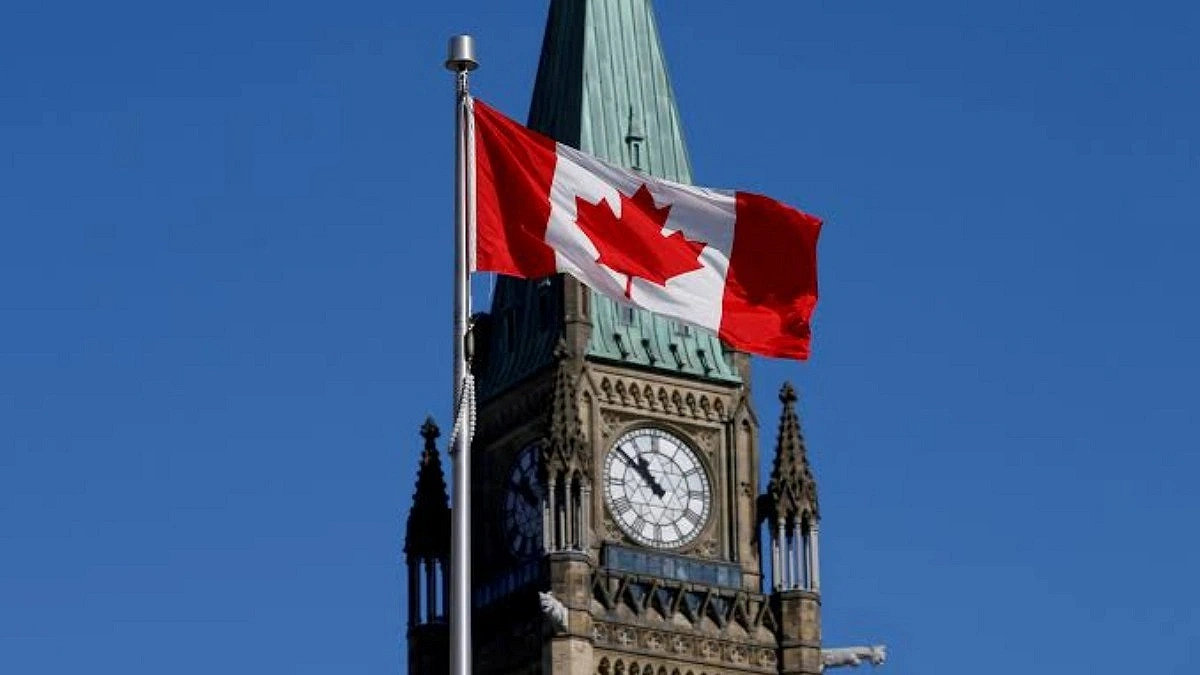
Significant changes have been seen in Canada’s immigration policies since Mark Carney became prime minister.
Moving to Canada and settling there is a dream for many people in the North American country. Many Bangladeshis go to Canada after making considerable efforts to turn that dream into reality. In particular, between 2022 and 2024, people from Bangladesh and many other countries around the world came to Canada. Thousands of people from every Asian country including Bangladesh, India, Nepal, Pakistan and Sri Lanka came and sought asylum.
Significant changes have been seen in Canada’s immigration policies since Mark Carney became prime minister. The country once known for having relatively liberal policies is now much stricter when it comes to visas, asylum applications and verifying the legal status of people staying in the country. Citizens of different countries are feeling the pressure of these stricter measures. Bangladesh is also on that list.
However, a major cause of concern for Bangladeshis is that their cases are creating various complications. Many are facing trouble because they lack knowledge of Canadian laws after arriving in the country and fall into the hands of brokers operating under the name of various organizations and law firms. Some of these law firms have shown cases with the same incident filed under the names of multiple individuals. They have charged each person between $8,000 and $10,000 for each case. Brokers received between $500 and $1,000 from these amounts. There are also some legitimate Bangladeshi lawyers and law firms that have taken on so many clients that they are unable to properly review the cases.
Forty five year old Manzur, a pseudonym, came to Canada from Bangladesh with his family and claimed asylum or refugee protection. His asylum application was rejected but his lawyer did not inform him about it. Under the rules, he had to file an appeal within 15 days. If he failed to do so, asylum seekers could be deported, meaning they would have to return to their home country. He was asked by letter to appear before the Canada Border Services Agency. After he went there, he was detained and his family was given two days to pack everything and return to their country. It was as if all the family’s dreams were shattered in a moment. Multiple such incidents have created fear among Bangladeshi asylum seekers.
According to the latest figures from the Canada Border Services Agency, Bangladesh ranks 10th among the top 10 countries of foreign nationals who are in the process of being removed from Canada. At the same time, scrutiny of asylum applications is increasing and the process of removing foreign nationals is also becoming faster.
According to CBSA figures, as of June 30, 2026, there were 968 Bangladeshis among foreign nationals in the process of being removed from Canada. The agency classifies them as being in the removal process. In some cases, necessary travel documents are being collected. In others, the remaining administrative procedures are being completed. At the same time, a total of 40,827 foreign nationals from all countries were in this category. Among them, 36,622 cases were related to refugee claims.
Another concern for Bangladeshis is that 227 Bangladeshis were removed from Canada in just the first six months of 2026 from January through June. The figure is particularly significant because the total number was 308 for the entire year in 2020. This means that in the first six months of 2026 alone, the number of Bangladeshis removed from Canada reached nearly three quarters of the full year figure for 2020.
The figures also clearly show that Canada has increased the overall pace of removals. The country removed 17,397 foreign nationals in 2024. That number rose to 23,160 in 2025. In the first six months of 2026, 10,607 people were removed. CBSA said an average of about 400 foreign nationals per week are currently being removed because they do not have legal permission to stay in Canada or are considered ineligible to remain in the country. The government has allocated $30.4 million to strengthen the process.
More important figures concerning Bangladeshis can be found in statistics from the Immigration and Refugee Board of Canada. In 2024, 17,239 refugee claims involving Bangladesh were referred to the Refugee Protection Division. Of the cases decided that year, 750 were accepted and 175 were rejected. In 2025, newly referred claims fell to 4,070. That year, 1,203 claims were accepted while 867 were rejected. From January through March 2026, 547 new claims were filed. During the same period, 248 were accepted and 293 were rejected. As of March 31, approximately 19,972 Bangladesh related claims were awaiting decisions.
The most significant aspect of these statistics is that the acceptance rate for refugee claims by Bangladeshis is declining rapidly. If only accepted and rejected decisions are considered, about 81 percent of Bangladeshis who received decisions in 2024 had their claims accepted. In 2025, the rate fell to about 58 percent. In the first three months of 2026, it fell further to about 46 percent. This means Canada’s approach toward asylum applications by Bangladeshis has become much stricter than before.
Canada’s policies have also undergone important changes during this period. Bill C 12, which became law in March 2026, introduced new conditions to the asylum system. If someone makes an asylum claim more than one year after their first entry into Canada after June 24, 2020, a claim made on or after June 3, 2025 will generally no longer be referred to the Immigration and Refugee Board of Canada. Similarly, if someone enters Canada from the United States outside a designated land border entry point and seeks asylum 14 days or more later, that route has also become more difficult. In other words, Canada has moved toward closing many of the previous loopholes surrounding asylum applications.
Canadian government documents state that since 2024, applications from countries identified as having higher rates of visa misuse, misrepresentation or a tendency to seek asylum after arriving in Canada have been subject to increased scrutiny. Bangladesh, India and Nigeria are also on that list. New risk indicators, intelligence information and additional instructions for officials have made visa screening much stricter than before.
The recent FIFA World Cup has also added a new dimension to the debate. According to published information, as of July 20, 175 people who came to Canada from different countries with World Cup related authorization later applied for asylum. Ten of them were Bangladeshis. It was also reported that only 45 visitor visas were approved for Bangladeshis for the World Cup. The number is not large. However, the information shows that some people sought ways to stay permanently by using temporary travel opportunities. As a result, suspicion and scrutiny by Canadian authorities over applications from Bangladeshis have increased further.
Attempts to settle abroad through false information, fabricated cases involving multiple people based on the same incident, staged political identities or baseless asylum claims are now not only risky. They are also causing major harm to Bangladeshis who want to travel abroad legally.
Sources: Canada Border Services Agency, Immigration and Refugee Board of Canada


