
US-Iran Peace Talks Begin in Switzerland Amid Strait of Hormuz Standoff

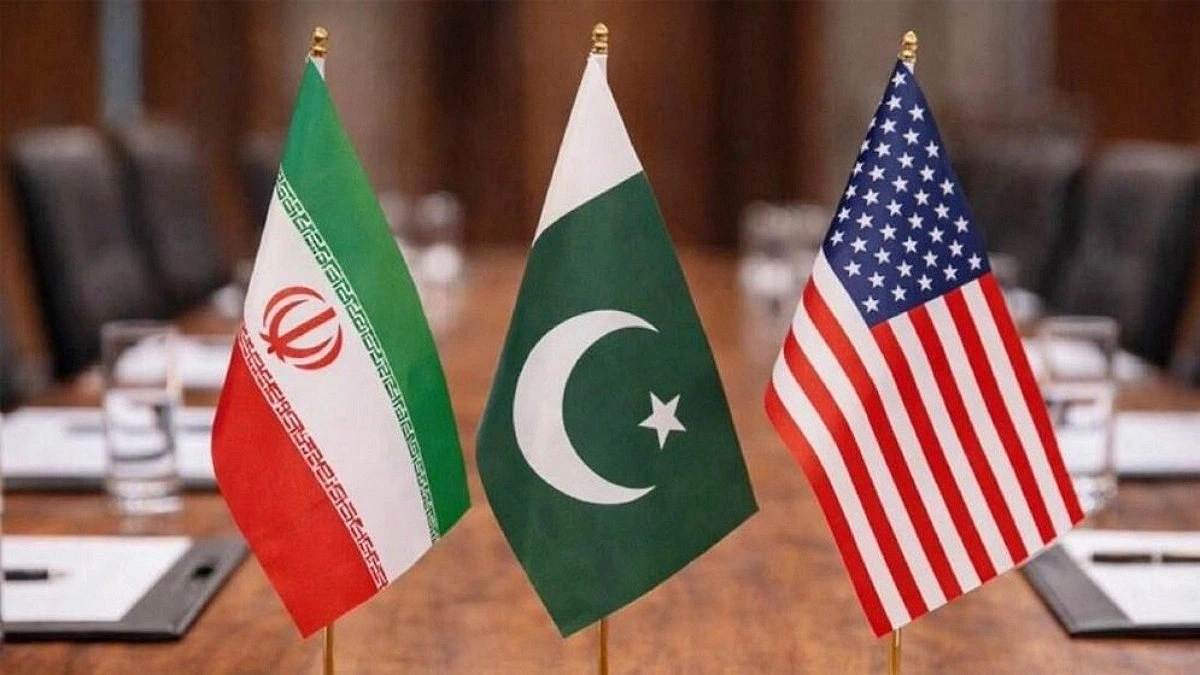
Representational image. Collected.
High-stakes diplomatic talks between the United States and Iran are underway at a luxury resort in Bürgenstock, Switzerland. The meetings aim to build upon a fragile interim agreement designed to end regional conflict.
However, the negotiations open under intense strain following Iran's decision to keep the strategic Strait of Hormuz closed. Tehran enacted the maritime shutdown to protest Donald Trump’s inability to compel Israel into halting its military operations in Lebanon.
Expanding the Agenda to Lebanon
US Vice President JD Vance, who is leading the American delegation, arrived at the Qatari-owned mountainside resort early Sunday morning. Marking his second direct interaction with Iranian negotiators since the conflict erupted—following an initial round of secret talks in Islamabad—Vance announced that he has officially added the Lebanese conflict to the summit's agenda.
Originally, the Swiss summit was designed to focus on a narrow set of economic and logistical issues such reopening the Strait of Hormuz, lifting US sanctions on Iranian oil exports and Unfreezing Iranian assets held in overseas banks.
However, a surge in hostilities between Israel and the Iranian-backed militant group Hezbollah prompted a shift in priorities. Last week's initial memorandum of understanding explicitly demanded a comprehensive ceasefire across all fronts, including Lebanon.
"I think we’re going to hopefully make progress on the nuclear issue, make progress on the Lebanon ceasefire issue," Vance stated, noting that he would only be able to personally participate in the sessions for a day or two.
Economic Stakes and Political Backlash
The Swiss Foreign Ministry confirmed that delegations from both nations, alongside mediators from Pakistan and Qatar, are present at the resort. According to Iranian Foreign Ministry Spokesperson Esmail Baghaei, the schedule includes morning briefings with the mediators followed by a four-way plenary session involving the US in the afternoon.
The Iranian delegation includes high-ranking financial officials, such as the deputy oil minister and the governor of Iran’s central bank, underscoring Tehran's desperate need for sanctions relief. Conversely, the continuing closure of the Strait of Hormuz presents an immediate threat to the global economy. Donald Trump warned last week that the global market was less than a month away from a severe refined oil shortage, claiming a worldwide recession was only averted because he previously lifted the US blockade on Iranian oil ports.
Simultaneously, the Trump administration faces fierce domestic pushback. Pro-Israel factions in the US have expressed deep anger over personal criticisms leveled against Israeli Prime Minister Benjamin Netanyahu by both Trump and Vance.
Internal Chaos in Tehran
The talks have also triggered a fierce political civil war within Iran. Hardliners argue that negotiating with Washington is futile because the US cannot be trusted.
Mahmoud Nabavian, a staunch critic of the diplomatic track and a member of the earlier Islamabad delegation, claimed on state television that current negotiators are violating explicit boundaries set by Iran’s new Supreme Leader, Mojtaba Khamenei. Last week, Khamenei published a letter stating that while he personally opposes the talks, he allowed President Masoud Pezeshkian to proceed on the strict condition that the interests of the "axis of resistance"—specifically Hezbollah—are fully protected.
Nabavian claimed the Supreme Leader sent three separate warnings restricting the scope of the talks, allegedly writing that what was conceded in Islamabad was "completely different" from the conditions required for the negotiations to remain legitimate. Nabavian also emphasized that the Supreme Leader demands an absolute Iranian monopoly over the Strait of Hormuz, including collecting tolls from passing vessels to fund the families of veterans and martyrs.
Following these explosive broadcasts, Nabavian’s appearance was abruptly cut short by state media. Authorities announced that legal action would be taken against him, prompting a senior official at the state broadcaster, Irib, to resign.
Defending the Interim Deal
President Masoud Pezeshkian has moved quickly to de-escalate internal fury, insisting that the interim memorandum overwhelmingly benefits Iran.
Pezeshkian highlighted a drastic U-turn in American rhetoric, noting that Donald Trump has shifted from forbidding Iranian state activities to openly acknowledging the rights of the Iranian nation. He also confirmed that $6 billion in frozen Iranian funds would finally be returned from Qatar.
Addressing the nuclear issue, Pezeshkian remarked that the sole American demand is that Iran refrain from developing atomic weapons—a stance he noted aligns perfectly with long-standing decrees by Iran's leadership. "The United States said 'write this and sign it' and we signed," Pezeshkian said, adding that Netanyahu's fierce opposition to the summit proves the deal favors Tehran.
Despite the President's optimism, deep skepticism remains within Iran's military apparatus. Mohsen Rezaei, a top military adviser to the Supreme Leader, warned on social media that the US remains a habitual "promise-breaker" and that any optimism would be exploited. Similarly, Hojjatoleslam Sadeghi, the Supreme Leader’s representative to the Revolutionary Guard, clarified that the meetings do not signal a reconciliation, stating, "We are not negotiating to reconcile, but rather to get our rights."
The fragile nature of the diplomacy was on full display over the weekend. Though Washington announced a renewed ceasefire in Lebanon on Friday, Israeli forces and Hezbollah fighters clashed again the very next day. Citing a American "breach of contract," Iran’s central military command swiftly retaliated by ordering the total closure of the Strait of Hormuz to maritime traffic, setting a tense backdrop for the Swiss summit. (Source: The Guardian)
