Sharing of Ganges Water
India–Bangladesh Joint Rivers Commission Meeting Ends Inconclusive

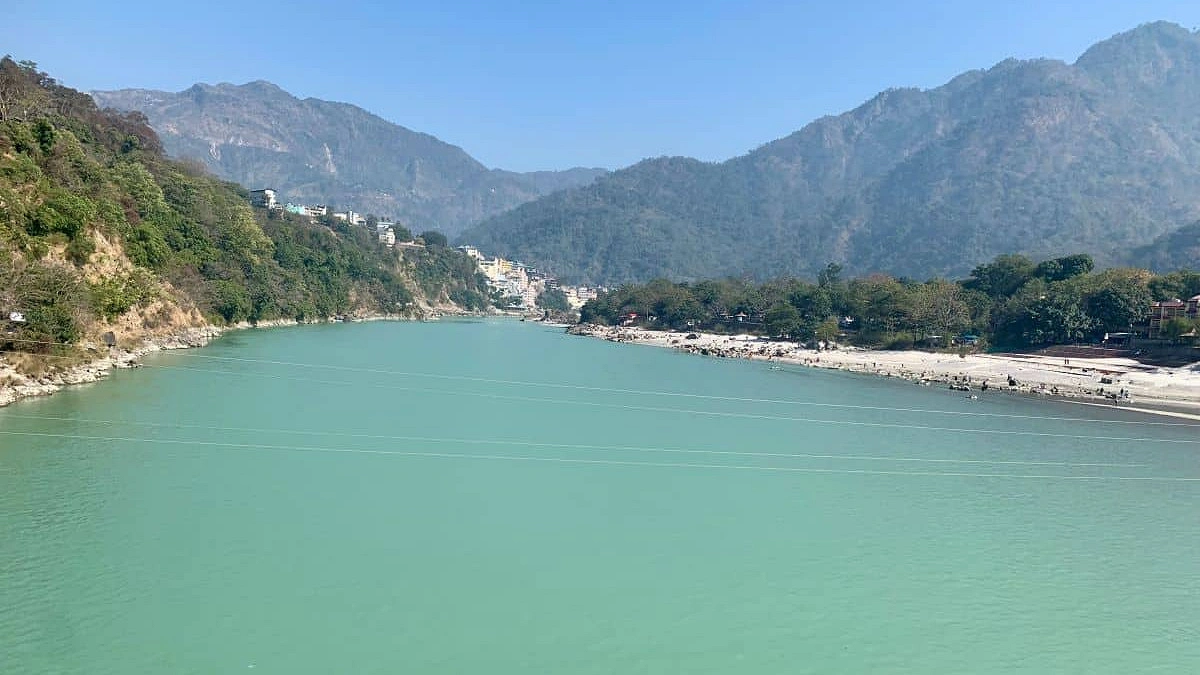
The Ganges flows through Rishkish, (India) known for its holy pilgrimages and various temples. Collected photo.
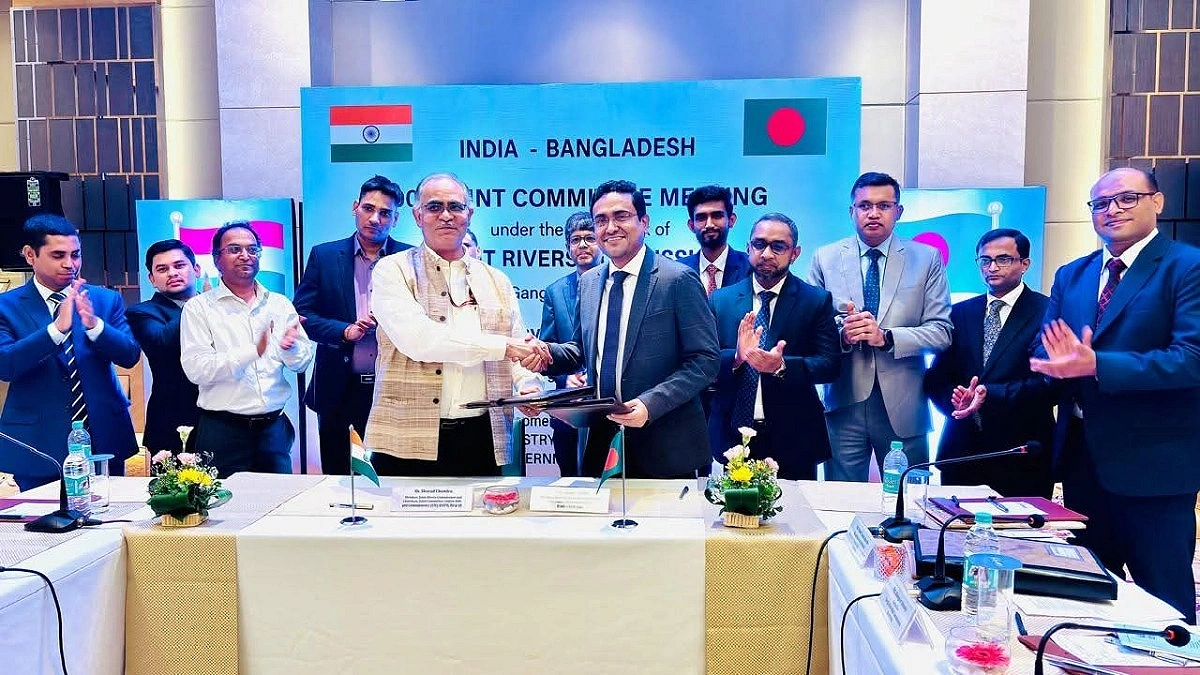
The 90th regular meeting of the India–Bangladesh Joint Rivers Commission (JRC), focused on the implementation of the Ganges water-sharing agreement, was held on Friday in Kolkata. However, despite the significance of the meeting, neither side made any public comments afterward about the future, renewal, or possible restructuring of the 1996 Ganges water-sharing treaty.
The current agreement is set to expire on December 31, making this meeting particularly important. It was the last regular JRC meeting before the treaty’s expiration.
The closed-door meeting began Friday afternoon at a hotel in New Town, Kolkata, and lasted for about three and a half hours. Senior officials from both countries took part. The Bangladeshi delegation was led by Joint Rivers Commission member Mohammad Anwar Kadir, accompanied by other officials including Sazzad Hossain, Mohammad Abu Sayeed, Mohammad Shamsuzzaman, Mohammad Baki Billah, and Mohammad Rumanuzzaman. Diplomatic representatives were also present.
The Indian delegation was led by Sharad Chandra, commissioner of the River Development and Ganga Rejuvenation Department under India’s Ministry of Jal Shakti. Senior officials from India’s central water resources authorities and the irrigation department of the West Bengal government also attended.
Ahead of the meeting, on May 21, delegations from both countries jointly inspected water flow conditions near the Farakka Barrage. However, no official information was released about the findings, with Indian representatives describing the exercise as a routine observation.
Sources familiar with the discussions said the meeting did include talks on renewing the Ganges water-sharing agreement and its future framework, but clear differences remain between the two sides.
Bangladesh proposed that the volume of water diverted upstream of Farakka through canals in various Indian states should be counted as part of the Ganges’ main flow when determining water shares.
India, on the other hand, argued that population growth along the river over the past three decades and reduced navigability have changed ground realities. From New Delhi’s perspective, only the water flow measured at the Farakka point should serve as the basis for sharing.
Under the existing agreement, when the Ganges’ flow is 70,000 cusecs or less, India and Bangladesh share the water equally, with Bangladesh receiving up to 35,000 cusecs. If the flow is more than 70,000 but less than 75,000 cusecs, Bangladesh receives a fixed 35,000 cusecs and India takes the remainder. When the flow exceeds 75,000 cusecs, India gets 40,000 cusecs and Bangladesh receives the rest.
Despite decades of negotiations over Ganges water sharing, there has so far been no clear indication of a final decision on either renewing the current agreement or concluding a new one.