


Leather Price Drops 28% in 13 Years

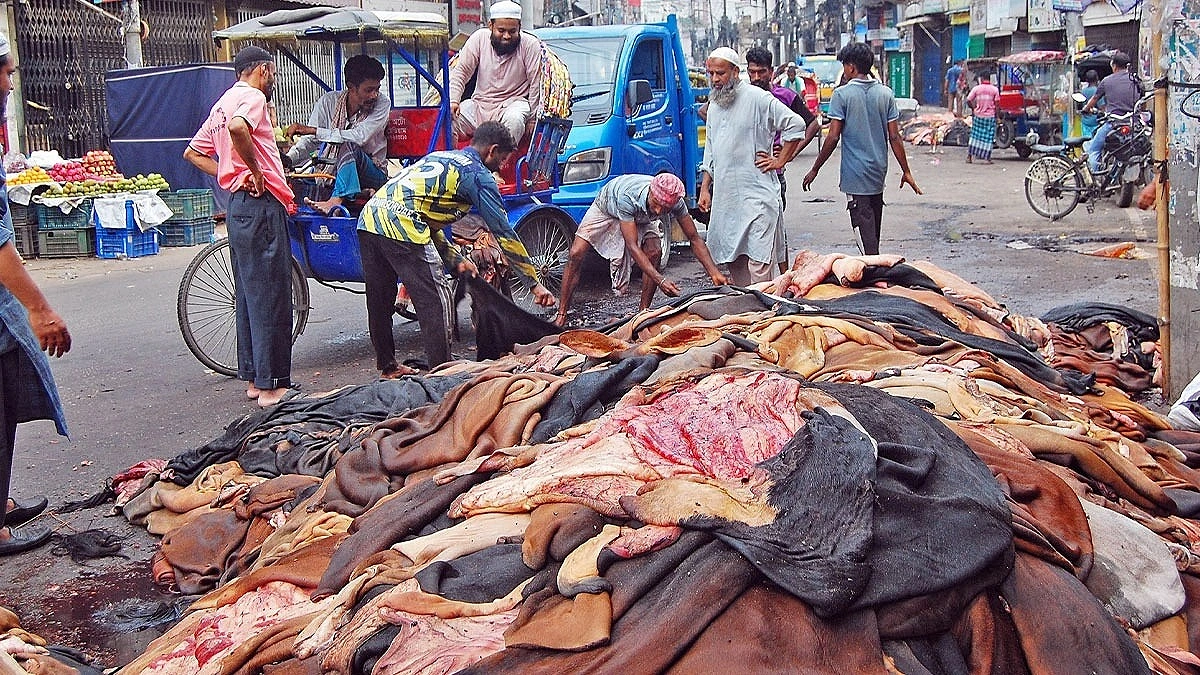
Picture: Focus Bangla
The price of raw cowhide per square foot during Qurbani season was around tk 90 in 2013. In 2026, the government has set the price at tk 65. This means that over 13 years, instead of increasing, the price has fallen by tk 25.
However, during the same period, Bangladesh’s leather and leather goods export earnings have not declined; rather they have increased in the long term. This raises a major question: why has the price of raw leather, the key raw material of a sector earning foreign currency, been decreasing for 13 years?
Investigations suggest multiple recurring disruptions in the leather market every year. These include government-set artificial pricing, loss of international markets, excessive dependence on China, crises in tanneries, failure to obtain environmental compliance certificates, and a syndicate-based market structure. Due to these factors, the leather industry in the country is in a state of existential crisis.
Raw hide suppliers remain the weakest link in the value chain, while profits are concentrated in the hands of tannery owners and exporter groups.
Field-level traders allege that the raw hide market is controlled by a few large groups and tannery owners. During Eid seasons, they allegedly coordinate to buy hides at very low prices, preventing rural seasonal traders, madrasas, and orphanages from accessing a competitive market. In many areas, wholesalers deliberately arrive late to the market, creating fear that hides will rot, forcing collectors to sell at lower prices.

