


World No-Tobacco Day: Strict Action Against Tobacco Urgent to Protect Youth

Graphics: Agamir Somoy
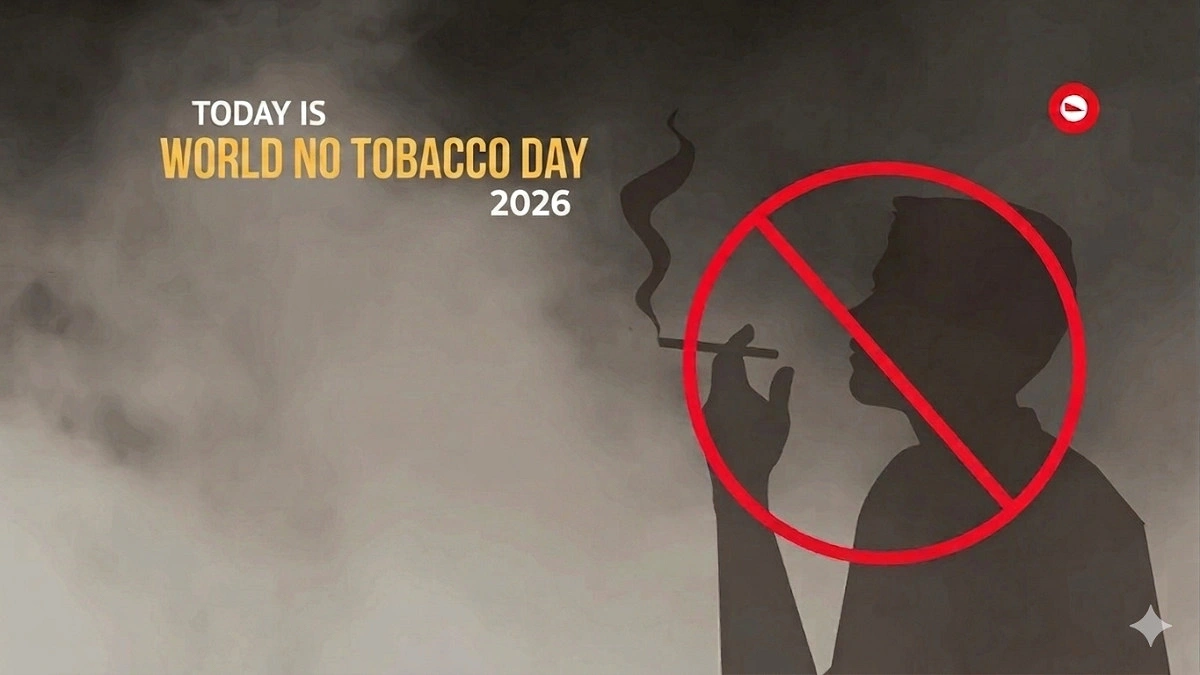
Today is May 31, World No-Tobacco Day. The theme for this year's observance is "Unmasking the Appeal: Countering Nicotine and Tobacco Addiction." In Bangladesh, the day is being observed under the slogan: "Unmask the Temptation, Prevent Tobacco and Nicotine Addiction." Tobacco and nicotine companies are presenting their products in new forms, new packaging, and through aggressive marketing campaigns—specifically targeting children, adolescents, and young people.
Bangladesh has made significant progress in tobacco control through the passage of the Smoking and Tobacco Product Usage (Control) (Amendment) Act, 2026. However, the exclusion of bans on e-cigarettes, vaping devices, nicotine pouches, and other new-generation tobacco products has increased the risk of a new wave of nicotine addiction among young people. Tobacco companies are actively marketing these novel products as "safe" or "less harmful"—claims that are entirely false—specifically targeting youth.
Currently, approximately 3.78 crore people in Bangladesh use tobacco, and around 2 lakh people die each year from tobacco-related diseases. In 2024, the health and environmental damage caused by tobacco use and production amounted to an estimated Tk 87,000 crore, which is more than double the revenue generated from the tobacco sector.
In a statement on World No-Tobacco Day, ABM Zubayer, Executive Director of PROGGA (Knowledge for Progress), a research and advocacy organization, said, "To protect young people from the trap of tobacco and nicotine addiction, prompt and effective action must be taken against all new-generation tobacco products, including e-cigarettes and vaping devices."
According to experts, building a tobacco-free generation requires effective implementation of the newly passed tobacco control law, adoption of policies to counter tobacco industry interference, and a significant increase in taxes and prices on all tobacco products in the upcoming national budget—making them unaffordable for young people.

