Rickshaw fares double as soon as rain falls

Collected Photo
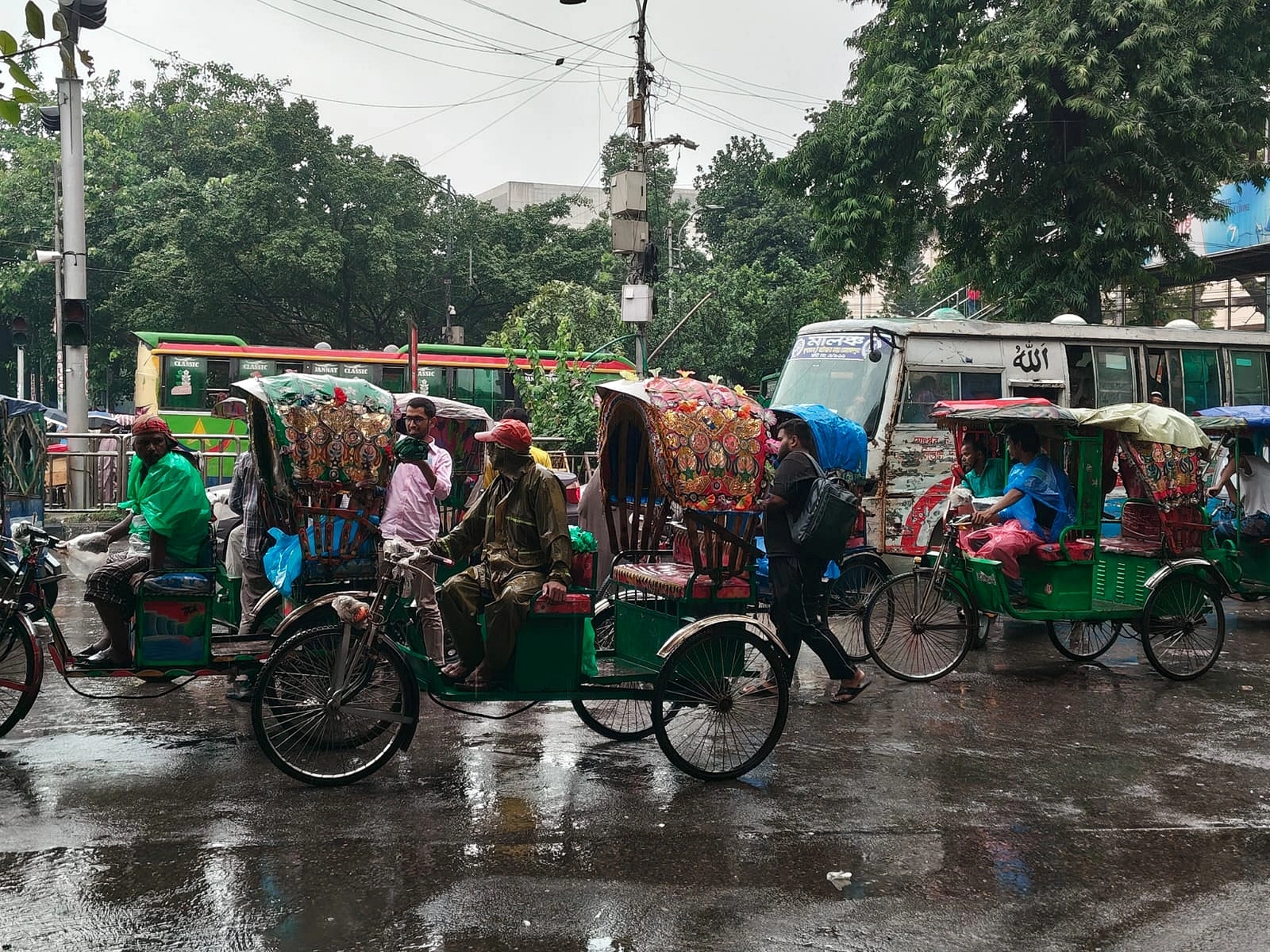
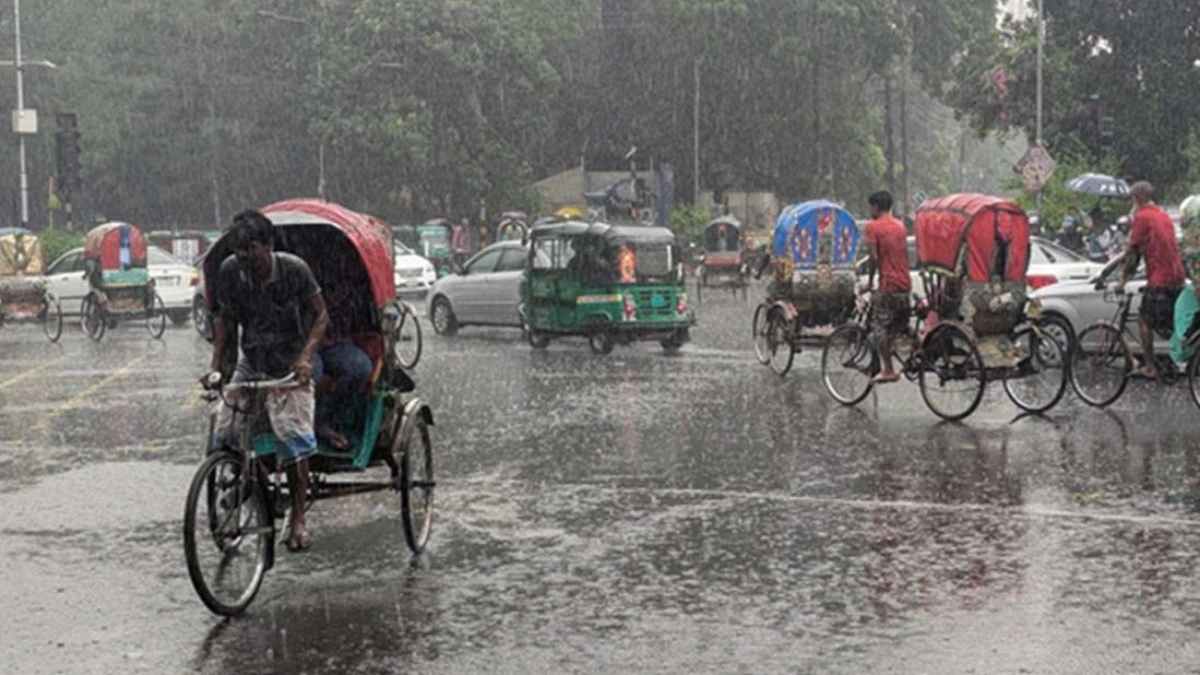
When rain pours down, there is no way to walk from one place to another in the capital. For short-distance destinations, rickshaws become the "only" mode of transport. This seems to be a "golden opportunity" for rickshaw pullers. Fares instantly double or even triple.
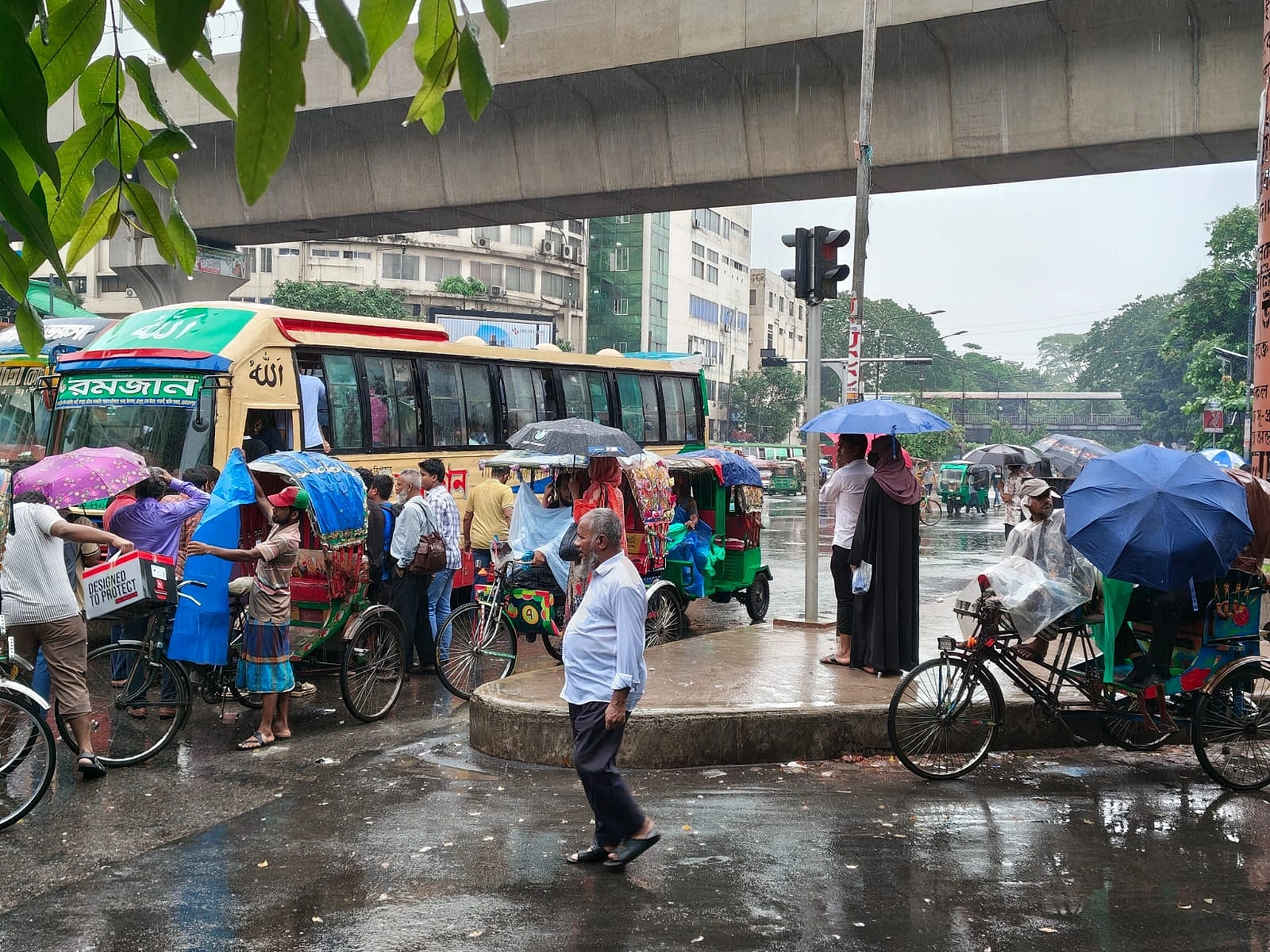
Today, Tuesday, it rained in the capital for almost the entire day. The same scene was witnessed at Shahbagh intersection. Riders were waiting for rickshaws to reach their destinations. Taking advantage of this, some pullers were demanding exorbitant fares.
Alamgir Hossain, a private jobholder going from Shahbagh to Hatirpool Bazar, said, "I pay 40-50 taka daily for this route, but today because of the rain, I had to pay 80 taka."
Nusrat, a medical college student, said that it is difficult to get a bus in the rain. She has to take a rickshaw. She is forced to pay whatever fare the rickshaw pullers demand. During rain, passengers have no room to bargain.
Rickshaw puller Hasan said, "On rainy days, it is risky to move on the roads. Due to waterlogging, traffic jams, and slippery roads, completing one trip takes more time than usual. Since the number of trips decreases, we charge extra fare."
Another rickshaw puller, Monirul, said that many drivers do not want to get wet in the rain and just sit on their rickshaws. Many do not even come out in the rain. Those of us who do come out often have to drag the rickshaw through knee-deep water. Since the hardship is greater, we sometimes charge a little more. If we get sick from getting wet, no one gives us money.
Bank employee Abid Hasan claimed that at least on the main roads, there should be a guideline or minimum regulatory system for rickshaw fares. At the same time, if adequate public transport can be ensured on rainy days, common people would not have to reach their destinations by paying extra fare.
On the other hand, even on rainy days, there is no change in the familiar traffic jams in the capital. Whether rain or shine, long queues of vehicles on the roads, slow movement, and passenger suffering remain the same. Waterlogging and uncontrolled movement of transport create long traffic jams at important intersections. As a result, passengers are forced to get off buses and take rickshaws at higher fares to save time.