
Reserve drops to $36 billion after ACU bill settlement

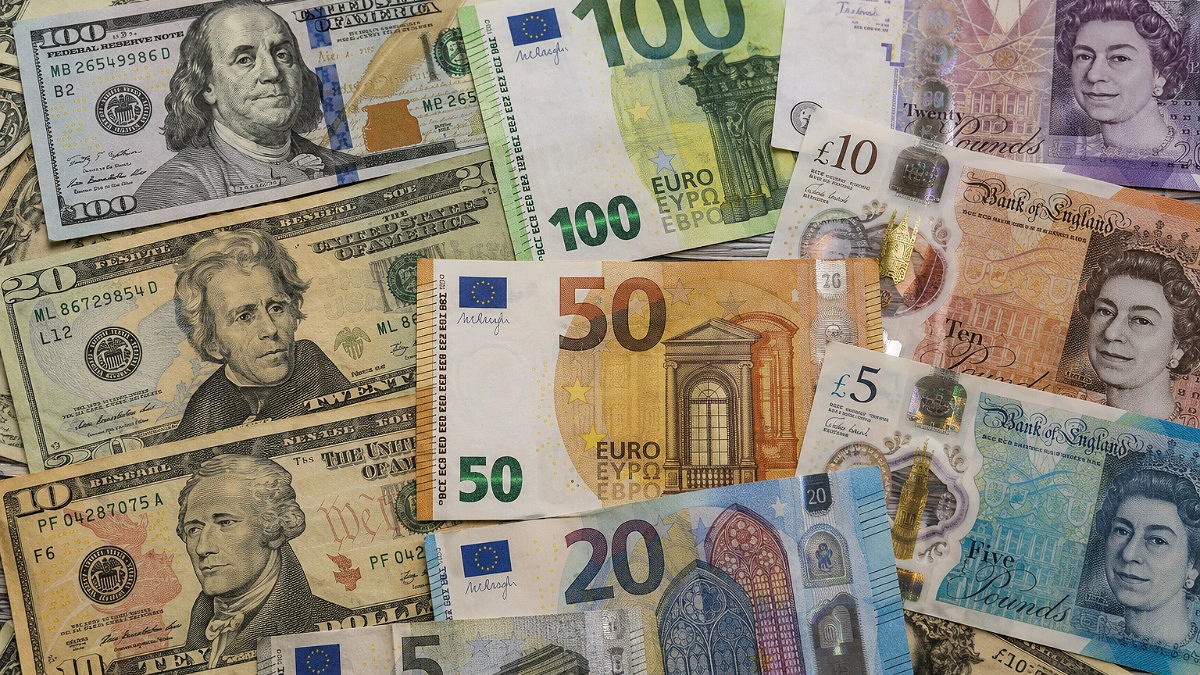
Image drawn by AI.
Bangladesh has paid its import bills for the May-June period to the Asian Clearing Union (ACU). A total of $1.314 billion has been paid. Following this, the country's foreign exchange reserves have decreased to $36.17 billion.
Today (Tuesday), Bangladesh Bank's spokesperson and Executive Director Arif Hossain Khan confirmed this information.
He said, "According to the IMF's BPM-6 accounting method, the current usable foreign exchange reserve of the country is $31.72 billion."
Before the ACU payment, the total foreign exchange reserves were approximately $37.48 billion. After paying $1.31 billion in bills, it fell to $36.17 billion.
Earlier, $1.51 billion was paid for the March-April period as ACU bill. After that payment, reserves had dropped to $34.14 billion.
According to Bangladesh Bank data, total reserves as of July 7 were $36.17 billion. This adjustment comes after the ACU payment.
Those concerned say that the pressure on imports of fuel, consumer goods, and industrial raw materials is still high. However, it is normal for reserves to face temporary pressure during the ACU payments every two months.
According to them, to keep reserves strong in the long term, it is necessary to increase export earnings, boost remittance inflows through legal channels, and take more effective measures in import management.
The ACU is a system for settling inter-regional transactions among central banks of several Asian countries. Under this, the import-export bills between member countries are paid every two months at once. The current ACU member countries are Bangladesh, India, Iran, Nepal, Pakistan, Sri Lanka, Myanmar, Bhutan, and the Maldives.
