Why Bangladesh still benefits despite 10 percent tariff

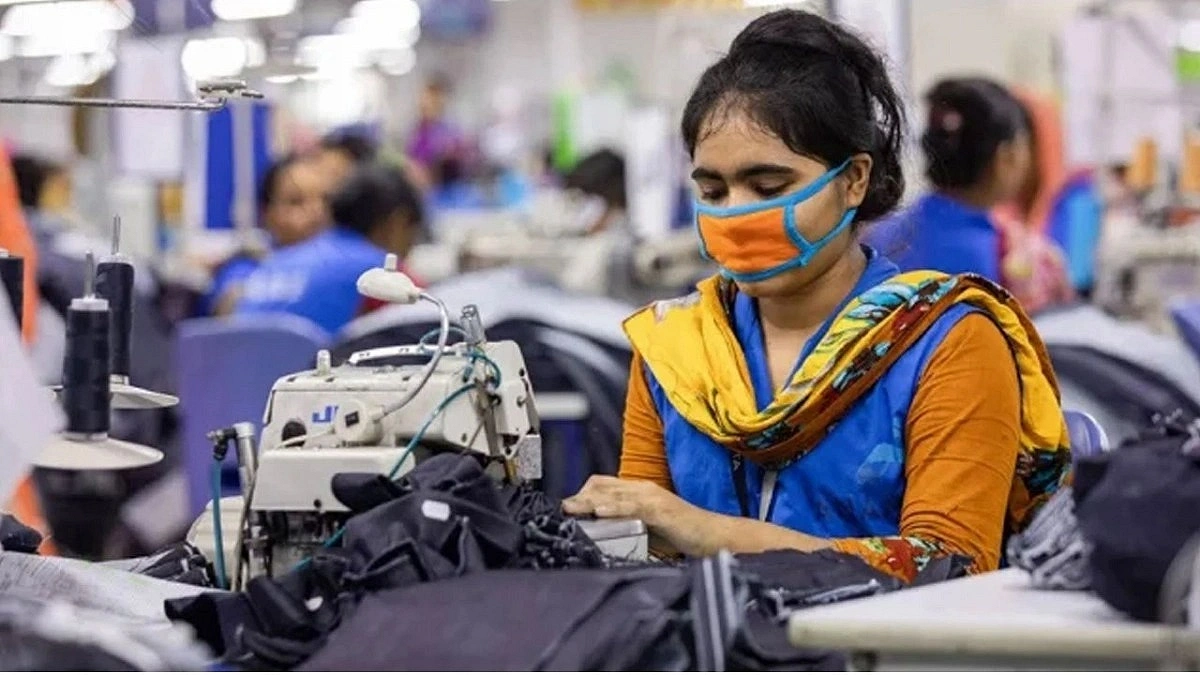
Collected Photo
The United States has imposed new tariffs on 86 countries, including Bangladesh, India and China. Although the move increases the tax burden on goods exported to the United States, Dhaka has secured a significant advantage.
While Bangladesh’s competitors face tariffs of up to 12.5 percent, Dhaka has received the lowest rate of 10 percent. As a result, other competitors are expected to fall behind. The Ministry of Foreign Affairs confirmed the matter in a statement on Friday.
The statement said that under the new decision, Bangladesh is among 17 countries subject to the lowest tariff rate of 10 percent out of the 86 countries covered. The highest tariff rate for the other countries is 12.5 percent. This benefit comes in addition to the existing Most Favoured Nation (MFN) tariff. As a result, Bangladesh will maintain its competitive position in the US market for ready made garments and other export products. The decision takes effect on the night of July 24, Washington time.
Bangladesh’s main competitors in ready made garment exports, China, Vietnam and Thailand, are subject to the highest tariff rate of 12.5 percent. This further strengthens Bangladesh’s competitive advantage over those countries in the US market. In addition, the Office of the United States Trade Representative (USTR) is considering introducing a three year tariff rate quota (TRQ) for Bangladesh, Cambodia, Indonesia and Malaysia. “If implemented, products manufactured using US cotton and textile inputs may be exempted from Section 301 tariffs. This will make Bangladesh’s exports to the United States even more competitive,” the statement said.
The government said Bangladesh remains committed to maintaining international labour standards. At the same time, Bangladesh will continue working closely with international partners to ensure sustainable growth in the country’s key export sectors, follow international standards and further strengthen capacity.
The Ministry of Foreign Affairs also said the Bangladesh government will continue close cooperation with international partners to maintain international labour standards and ensure sustainable growth, policy implementation and stability in the country’s key export sectors.
The USTR said the US government has imposed new tariffs under Section 301 of the Trade Act of 1974 on 60 economies representing 86 countries around the world. The decision was taken following investigations into allegations of the use of forced labour.