
US demands Iran's public commitment to halt ship attacks in the strait of Hormuz

Collected Photo
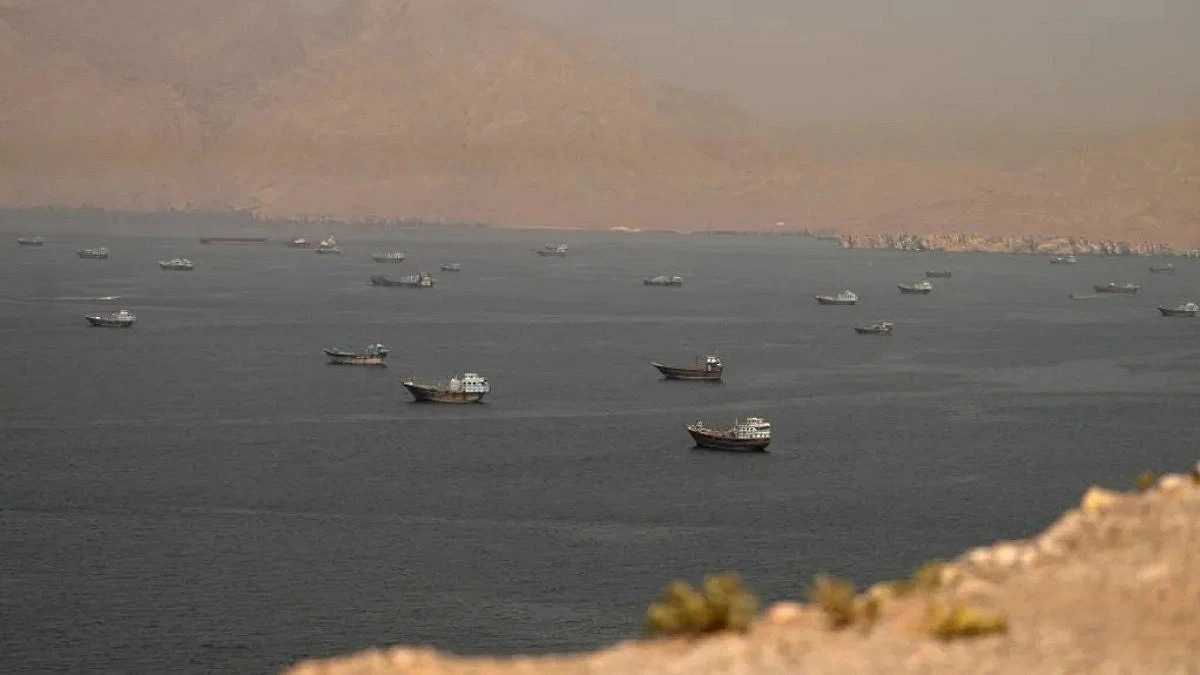
The United States is demanding a public commitment from Iran to completely halt attacks on commercial ships in the Strait of Hormuz. Washington argues that while Iranian officials have privately expressed regret over the attacks, this is not sufficient—they must publicly announce a halt to the hostilities.
A crucial meeting between the two countries is scheduled to take place today (Saturday) in Oman. As one of the primary conditions for these talks, Washington has demanded that Iran publicly declare that "the Strait of Hormuz is open for all" and that they will no longer carry out any attacks on commercial vessels.
According to US media reports, Tehran has already privately conceded to advisers of US President Donald Trump that attacking commercial ships was a mistake. Senior US officials said the Iranian side conveyed a clear message: "We screwed up. We made a mistake. Let's keep talking".
However, the Iranian side has not accepted responsibility for the attacks themselves, instead blaming them on a group outside the government's control—described as an "errant" faction of hardliners attempting to undermine the ongoing negotiations.
But the White House is not satisfied with this private admission alone; it is demanding a public acknowledgment of the mistake.
Previously, in June, an interim ceasefire agreement was signed between the US and Iran, one of the key conditions of which was ensuring the safe passage of commercial ships. However, when renewed clashes and gunfire erupted in the Strait of Hormuz this week, the White House labeled it a violation of the ceasefire.
Meanwhile, the US delegation at today's meeting in Oman is expected to be led by Vice President JD Vance, Secretary of State Marco Rubio, Middle East special envoy Steve Witkoff, and Trump's son-in-law Jared Kushner.
Ahead of the talks, US officials have issued a warning through regional mediators, stating that if Iran does not make a public declaration to keep the Strait of Hormuz open, the consequences will not be favorable.
