

Bangladesh Nears End of Demographic Dividend Opportunity

Collected Photo
Bangladesh is going through a demographic transition or a population shift. About two-thirds of the total population is of working age, which is referred to as the demographic dividend.
A demographic dividend is defined as the change in the age structure of a population that occurs when a country’s birth and death rates decrease, creating an opportunity to accelerate economic growth.
Generally, those aged 15 to 64 are considered the working-age population. When the working-age population is significantly larger than the dependent population (children aged 0-14 and the elderly over 65), the potential for rapid economic growth is created.
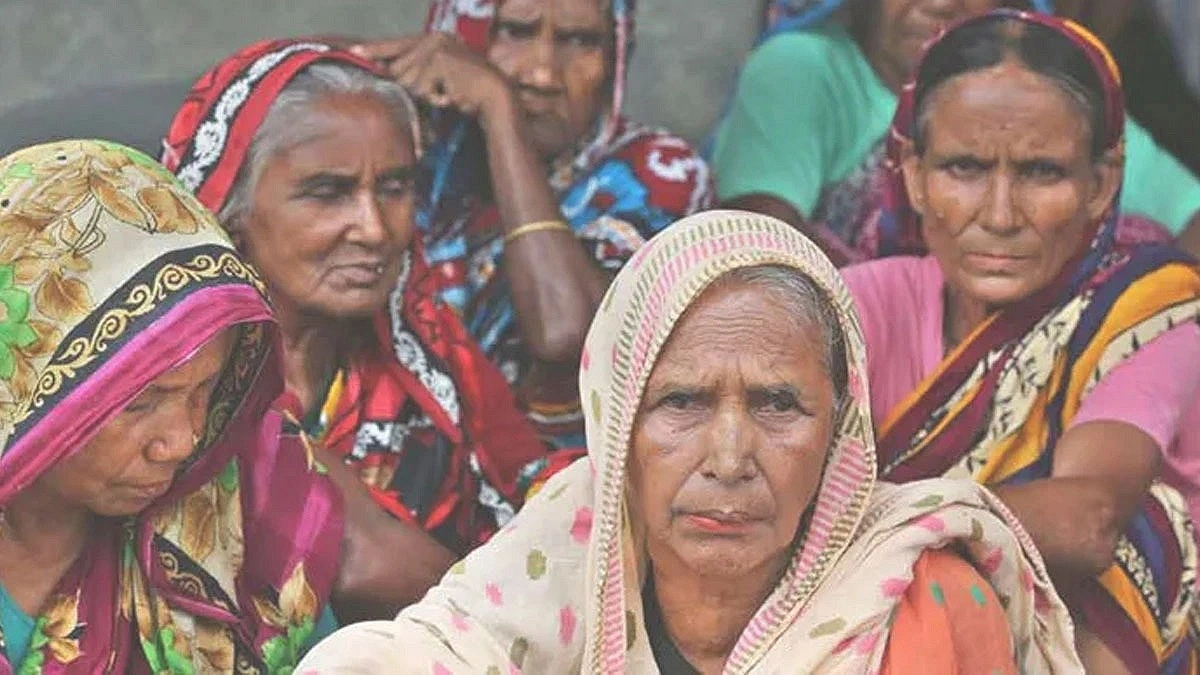
However, once the period of the demographic dividend ends, the number of the dependent group will increase. The reality remains that a large portion of the working-age population is still outside of productive employment.
If accurate and realistic policies are not adopted quickly, some benefits of the demographic dividend may still be achieved; otherwise, this vast population will instead turn into a demographic burden.
Mohammad Billal Hossain of the Department of Population Sciences at University of Dhaka told Agamir Somoy, “To reap the benefits of the demographic dividend, the working-age population must be engaged in productive employment, and their good health must be ensured.”
Alongside this, economic strategy and good governance are extremely urgent. The opportunity to benefit from the demographic dividend has already largely slipped away, though some time still remains. If this remaining time is not utilized one hundred percent, the country will be crushed under the pressure of the dependent population.
Window of Opportunity Closing
One of the most acceptable books worldwide regarding demography and development economics is “The Demographic Dividend: A New Perspective on the Economic Consequences of Population Change”.
According to information in this groundbreaking research book written by Harvard University economists David Bloom, David Canning, and Jaypee Sevilla, there were 88 dependents for every 100 working-age people in 1911.
Following that, the dependency rate gradually began to decrease. However, the country went through Liberation War in 1971, where many working-age people were martyred or injured, causing the dependency rate to reach a hundred-year high of 116.
It then began to decrease again, standing at 50 in 2021. Latest data shows the dependency rate began to decrease starting from 2022, a trend also reflected in the government’s Population and Housing Census.
Demographers said a significant opportunity to achieve the first demographic dividend in the country was created after the eighties, which will end within a few years.
Information from the international economic framework, National Transfer Accounts, suggested that the opportunity to achieve maximum benefits from the first demographic dividend exists until 2036. After that, the dependency rate will begin to rise.
However, according to the 2004 revised edition of World Population Prospects, the dependency rate in Bangladesh will reach its lowest point in 2045.
Researchers said despite having a huge working-age population, Bangladesh is unable to enjoy the benefits of the demographic dividend due to several major reasons, primarily because the youth unemployment rate is much higher than the national average.
While enrollment and literacy rates in educational institutions have increased significantly, the quality of education has not reached the expected level. Participation of women in the labor force is still significantly lower than that of men.
Moreover, inadequate investment in human resource development, a shortage of skilled health workers, and the increasing burden of non-communicable diseases are reducing the productivity and health of the working-age population. Savings and investment rates are also low.
If Bangladesh fails to utilize the opportunity of the demographic dividend, economic growth will decrease. Unemployment will rise further, and the pressure of the elderly population will increase.
To look after this vast population, the government will have to increase spending on the social safety net, and healthcare costs for families will rise. Alongside this, poverty and inequality will increase, and the levels of social instability and crime will also rise.
According Billal, to manage the pressure of the elderly population, policy preparation is needed alongside income security, nursing homes, elderly-friendly infrastructure, and quality systems for geriatric healthcare.

