
Mirza Fakhrul
Tarique Rahman Builds National and Global Standing

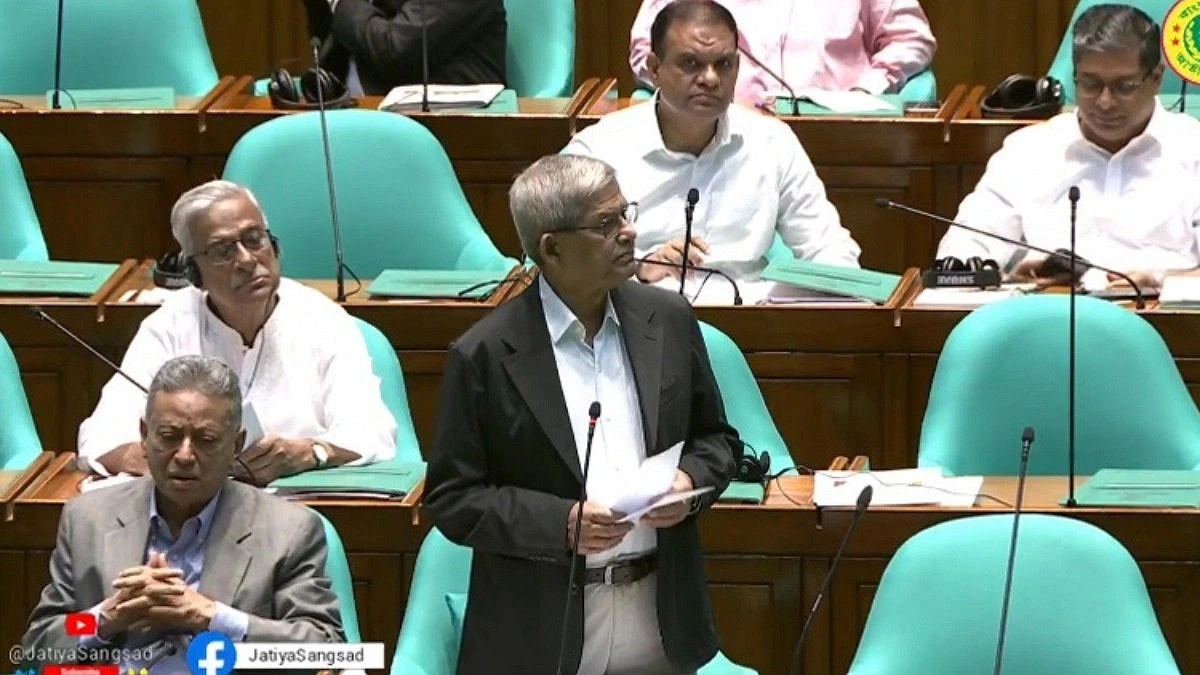
Local Government, Rural Development and Cooperatives Minister Mirza Fakhrul Islam Alamgir speaks in Parliament. Photo: Collected
Local Government, Rural Development and Cooperatives Minister Mirza Fakhrul Islam Alamgir said Bangladesh’s relations with Malaysia and China have grown stronger following Prime Minister Tarique Rahman’s recent visits to the two countries.
Speaking in Parliament on Saturday morning while presenting a motion of thanks on the prime minister’s visits, Fakhrul said the tours had opened a new chapter of bilateral cooperation based on mutual respect and shared interests.
He said the visits were particularly significant as they were undertaken by Tarique Rahman in his capacity as prime minister and leader of the democratic government formed after a prolonged anti-fascist movement.
“The visits have further strengthened Bangladesh’s ties with Malaysia and China and opened new avenues for bilateral cooperation based on mutual respect and common interests,” Fakhrul said.
The minister said Bangladesh and China signed 17 memorandums of understanding (MoUs) during the visit. He added that high-level talks between the two countries laid the foundation for positive progress in economic cooperation, investment, trade expansion, and efforts to resolve the Rohingya crisis.
Fakhrul also said the prime minister had set a positive example by ending the long-standing political culture of organizing lavish receptions before and after official foreign visits.
“Our leader has already established his standing at both the national and international levels,” he said. “The people of Bangladesh see him as someone who is working firmly for the public good while replacing old, negative political practices with new standards.”
Finance and Planning Minister Amir Khasru Mahmud Chowdhury and Opposition Leader Dr. Shafiqur Rahman also took part in the discussion on the motion.
The motion of thanks was later put to a vote by Speaker Hafiz Uddin Ahmed Bir Bikram and was adopted unanimously by Parliament.
