
Electric train to be introduced on Narayanganj-Dhaka-Joydebpur route
- Project cost estimated at Tk 3,822 crore 51 lakh
- ADB and EIB loans amount to Tk 2,880 crore 42 lakh
- Project proposal to be placed before ECNEC tomorrow

Collected Photo
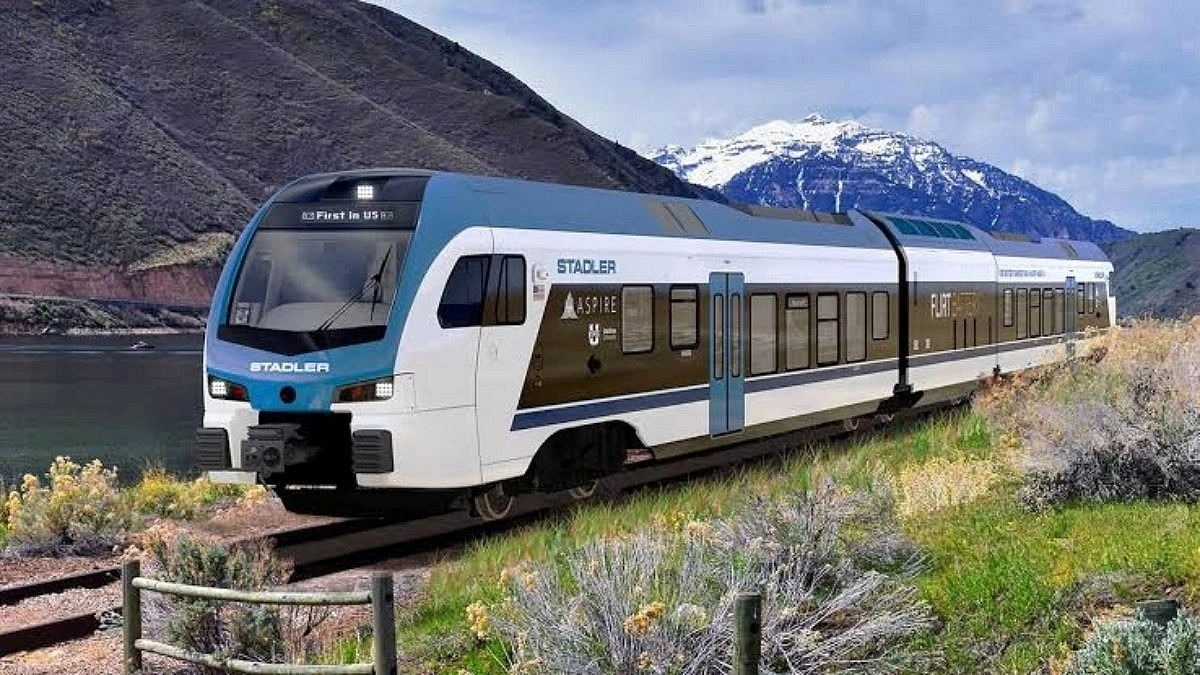
After the metro rail, electric trains are now being added to the country’s public transportation system. In the first phase, the trains will operate from Narayanganj to Dhaka and Joydebpur. For this purpose, the Ministry of Railways is going to undertake a project costing Tk 3,822 crore 51 lakh. Of this amount, Tk 942 crore will come from government funds while Tk 2,880 crore 42 lakh will come as loans from the Asian Development Bank (ADB) and the European Investment Bank (EIB).
The project has been named “Implementation of Electric Traction Along Narayanganj Dhaka Joydebpur Section of Bangladesh Railway.” The proposal will be presented at the meeting of the Executive Committee of the National Economic Council (ECNEC) on Wednesday. Prime Minister and ECNEC Chairman Tarique Rahman will chair the meeting at the Cabinet Conference Room at the Secretariat in the capital. If approved, Bangladesh Railway will implement the project from this year through June 2031.
Planning Secretary SM Shakil Akter told Agamir Somoy that the project will bring a major change to the country’s transportation system if implemented. He said the increased train speed will help Bangladesh Railway save costs while making travel more comfortable, faster and safer for passengers. It will also reduce pressure on roads along the route. Considering these aspects, the project is being presented to ECNEC with importance. If successful, electric trains can gradually be introduced on other railway sections across the country in the future.
According to sources at the Ministry of Railways, the demand for passenger and freight transportation is very high in densely populated Bangladesh. However, Bangladesh Railway has limited capacity to provide services in the transportation sector. As a result, the government has to invest more in road infrastructure. Electrification of the railway will increase transportation capacity and significantly reduce government spending on the road sector.
The source further said Narayanganj Dhaka Joydebpur is one of the busiest and most densely populated areas in the country. The area has heavy passenger traffic, industrial zones and a high concentration of motor vehicles. Existing roads and railway lines are inadequate compared with demand. Electrification of the railway network will reduce travel time, increase the carrying capacity of each train and lower transportation costs.
What the project proposal says
The Ministry of Railways said in the project proposal that implementation of the project will reduce carbon emissions in the transportation sector and improve the quality of life. The preliminary project proposal received in principle approval from the then planning adviser on June 30, 2025.
A letter sent by the Economic Relations Division (ERD) said the ADB and EIB have expressed interest in financing the project. The preliminary proposal was sent to the Planning Commission for implementation from July 1, 2026 to June 30, 2036.
At that time, the project cost was estimated at Tk 4,282 crore 86 lakh. Later, the total cost was reduced by Tk 460 crore 35 lakh in the revised DPP from the proposed DPP. A meeting of the Project Evaluation Committee (PEC) was held on April 20. The project is now being presented to ECNEC based on the recommendations of that meeting.
The Ministry of Railways said the Narayanganj Dhaka Joydebpur section is a highly promising railway route for Bangladesh Railway. Several lakh passengers travel on this route every day. However, Bangladesh Railway is unable to provide transportation services according to demand due to limitations in railway infrastructure and rolling stock. If electric traction is implemented under the proposed project, the sectional capacity of the railway and the transportation capacity of rolling stock will increase significantly. As a result, Bangladesh Railway’s revenue will increase.
The ministry further said Bangladesh Railway currently operates trains using a diesel electric traction system. The electric traction system is about 40 percent more fuel efficient than this system. In addition, repair and maintenance costs for electric rolling stock are about 35 to 40 percent lower than those for diesel electric rolling stock. Therefore, operating trains with an electric traction system is cost effective. This is why various countries around the world use electric traction systems for railway operations.
Rolling stock under an electric traction system is more modern than the rolling stock used under Bangladesh Railway’s existing diesel electric traction system. The average speed of rolling stock under an electric traction system is about 18 to 20 percent higher. Electric traction systems are recognized worldwide as an environmentally friendly railway transportation system. Bangladesh is one of the countries considered highly vulnerable to the potential impacts of climate change. Therefore, using an electric traction system on Bangladesh Railway can contribute to addressing the impacts of climate change.
Main activities of the project
Under the project, an overhead catenary system will be constructed along 52.32 kilometers of railway track. In addition, 16 sets of electric multiple units will be procured with five coaches in each set. An electric multiple unit repair workshop will also be constructed along with other related activities.
The project is consistent with the current government’s election manifesto. The manifesto said railways would be revitalized as the central backbone of national transportation by expanding domestic and regional railway connectivity.
What the Planning Commission said
Dr. Neyamat Ullah Bhuiyan, Member Secretary of the Physical Infrastructure Division of the Planning Commission responsible for the project, gave the commission’s opinion on the project.
He said implementation of the project will reduce train travel time through the installation of electric traction on the existing Narayanganj Dhaka Joydebpur railway line. It will increase the transportation capacity of each train and reduce transportation costs. As a result, Bangladesh Railway will be able to transport more passengers faster and at a lower cost. This will help significantly reduce the existing pressure on road transportation and the associated costs.
