
India withholds approval for Bangladesh’s next High Commissioner

Collected Photo
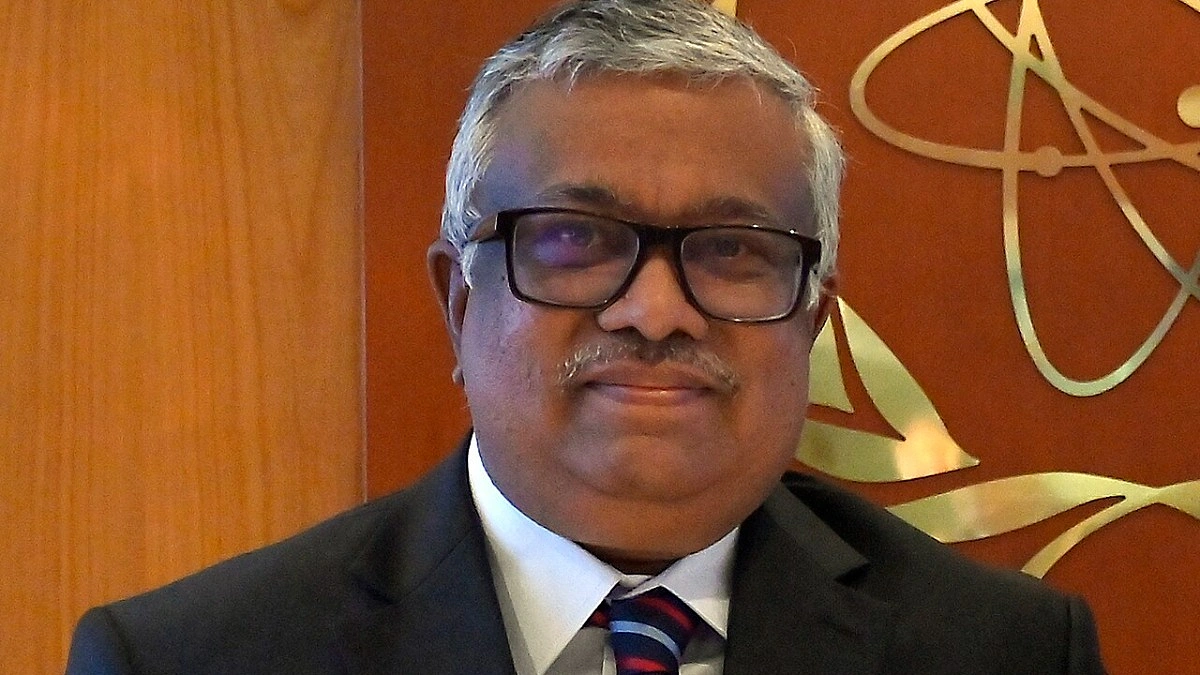
India held up its official approval for Bangladesh’s proposed appointment of Asad Alam Siam as the next High Commissioner to India in New Delhi, reflecting a continued diplomatic chill between the neighboring nations.
Dhaka initiated the selection and appointment process for new Ambassadors and High Commissioners across foreign postings in July. Although Dhaka sought New Delhi’s formal approval for Siam over a month ago, India has withheld consent, preventing Bangladesh from issuing an official public announcement.
Under Article 4 of the Vienna Convention on Diplomatic Relations, “the sending State must make certain that the agrément of the receiving State has been given for the person it proposes to accredit as head of the mission to that State.”
Vienna Convention does not require India to disclose its reasons for withholding or rejecting an appointment, maintaining a confidential process that prevents public incidents during diplomatic rejections.
Without India’s approval, Dhaka remains unable to appoint its new envoy to New Delhi. Bangladesh High Commissioner to India M Riaz Hamidullah plans to assume his new post as Permanent Representative of Bangladesh to the United Nations in Geneva around mid-October.
Siam serves as foreign secretary of Bangladesh and stands as one of the senior-most career diplomats in the Ministry of Foreign Affairs. The interim government under Muhammad Yunus appointed Siam to his position in 2025. Before his appointment as foreign secretary, Siam served as Bangladesh’s Ambassador to the US.
A persistent strain in bilateral relations between India and Bangladesh remains as ousted prime minister Sheikh Hasina fled to New Delhi in 5 August 2024, where she continues to reside. A press briefing on 5 August by Hasina further complicated the relations.
Despite high-level political friction, New Delhi and Dhaka continue to engage through technical and functional channels to keep administrative operations moving forward. Over the last seven months under Prime Minister Tarique Rahman, both sides re-engaged various expert groups and technical bodies.
Officials convened a two-day Inter-Governmental Railway Meeting (IGRM) in Dhaka, bringing together rail authorities and ministry representatives from both nations to coordinate cross-border train operations. Nevertheless, the broader political chill continues to weigh heavily on the overall state of bilateral ties.
Source: The Print (adapted)
