

Rural diets shift as healthy food becomes unaffordable

Graphics: Agamir Somoy
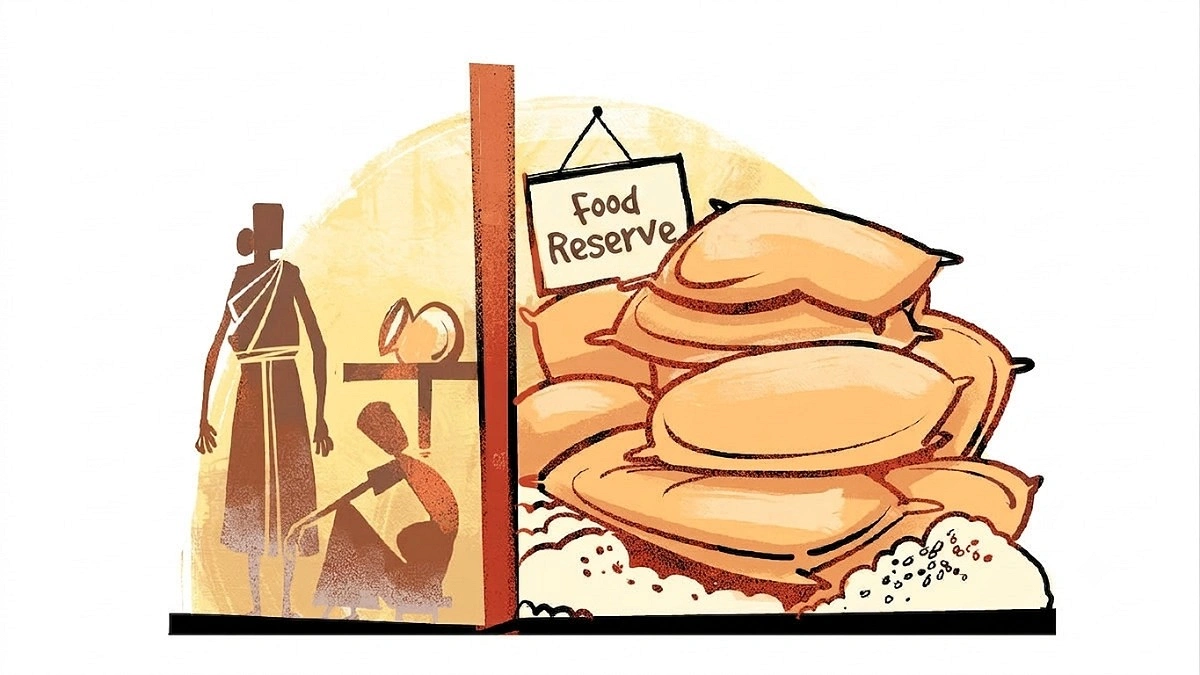
The vast majority of rural people now have to buy most of their food when once they could harvest it from their own land and ponds. As a result, under the pressure of inflation, they are forced to cut back on the type and quality of their meals, and dietary habits are gradually shifting.
The research article, titled “Rural Diets Under Pressure: Food Environments and Their Influence on Diets in South Asia,” explored the dietary habits of rural people in the Rajshahi and Rangpur regions of Northern Bangladesh. The article was published on 3 July in the Cambridge University science journal, British Journal of Nutrition.
The research indicated that the primary reason for the change in dietary habits is not a lack of food, but rather the limited ability to afford nutritious options and highlighted how the food environment, availability, market systems, and financial capacity of rural people in South Asia are impacting dietary habits and nutrition.
The study was conducted by a team of researchers from the US-based International Food Policy Research Institute (IFPRI), India’s Institute of Economic Growth, and Nepal’s Institute for Integrated Development Studies.
The research team included Alka Chauhan, Samuel Scott, Purnima Menon, and Suman Chakrabarti from IFPRI; William Joe from India; and Nanda Kumar Maharajan from Nepal. Conducted from February to May 2023, the study selected rural areas of Rajshahi and Rangpur, surveying a total of 2,000 households in the two districts.
Using the same methodology, information was collected from several areas in India and Nepal. The results of the study were compiled by analyzing data from a total of 9,711 households and 1,646 markets across the three countries.
The research found that low-cost unhealthy options are increasing in rural markets in the North compared to healthy ones. Packaged foods, including biscuits, chips, soft drinks, and sweets, are now available even in small village shops.
In contrast, due to high prices, nutritious foods such as fish, eggs, milk, fruit, and vegetables are being excluded from the regular diet of many families.
Experts described the shift in dietary habits as a major challenge for future public health. Researchers said people are not cutting back on healthy food because it is unavailable; the problem is price.
Many families with limited income are choosing lower-cost foods to manage household expenses. While this fills the stomach, it creates a deficiency in essential vitamins and other nutritional components required by the body. The study also found that processed foods are easily available in more than 80 percent of rural areas.
Because these foods are accessible and inexpensive, low and fixed-income people are leaning toward them more than nutritious food. As a result, for many families, low-cost food - rather than nutritious food - is becoming the primary reliance.
More than 60 percent of the people who participated in the study reported that they regularly consume various types of packaged snacks in addition to their main meals.
Alongside price, researchers also noted that advertising plays a major role in changing dietary habits. The research report mentions that advertisements for various foods aired on television, mobile phones, and social media are attracting people of all ages, including children and adolescents.
Shahjada Selim, a hormone and diabetes specialist at Bangladesh Medical University, said, “Unhealthy dietary habits are rapidly increasing in the country. As a result, metabolic diseases, including obesity and diabetes, are rising fast.”
AHM Akteruzzaman, chairman of the Department of Hormone and Metabolism at Rajshahi Medical College, added, “Due to the consumption of various low-quality packaged foods, problems like obesity, high blood pressure, diabetes, and fatty liver are increasing among children. If these problems appear at a young age, they could create risks for heart disease, strokes, and complex liver diseases in the future.”

