


Global fiscal year calendars: When does each country start?

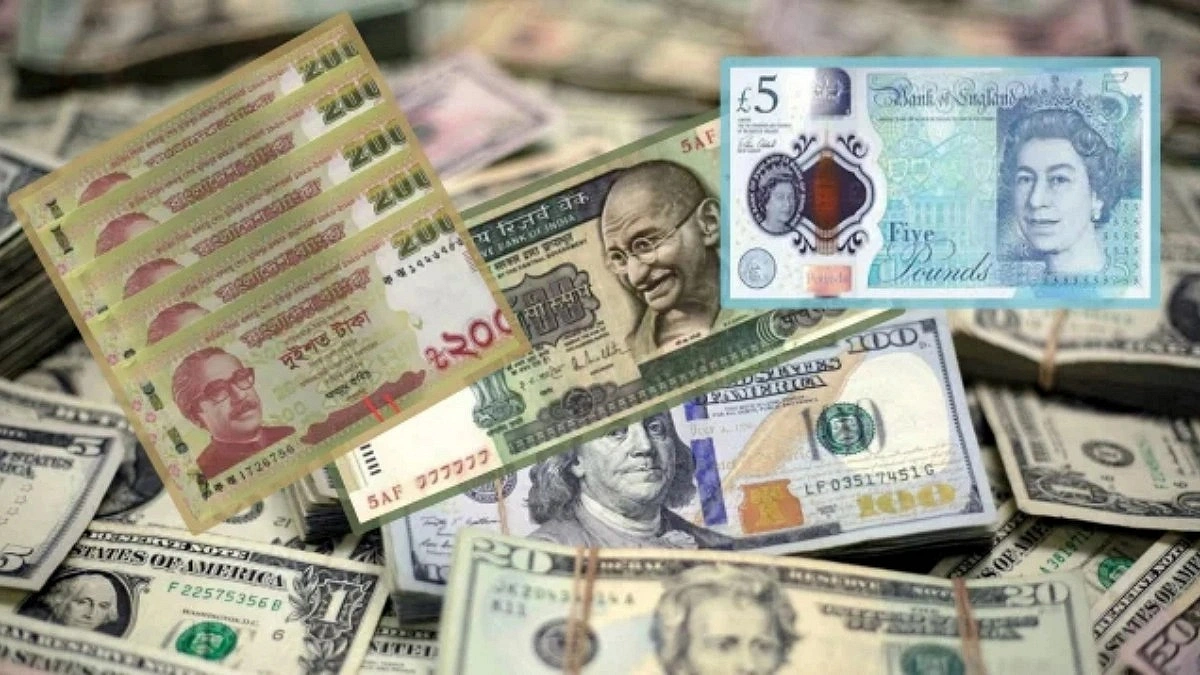
Representational image.
Bangladesh has officially shifted its fiscal year from 1 July to 30 June cycle to a new 1 April to 31 March timeline.
The cabinet made the decision during a meeting on Monday. The reason is that July-August typically marks the monsoon season in Bangladesh. During this period, infrastructure development work takes place, which not only prolongs the projects but also damages the quality of the work. There is also the significant issue of public suffering to consider.
It is expected that by adopting the April-March period as the fiscal year, infrastructure development projects can be completed before the monsoon begins. As a result, the timing and quality of work will improve, and public suffering will decrease.
The discussion surrounding the change in Bangladesh’s fiscal year has raised a new question: Do all countries across the globe follow a July to June fiscal year? Or do various nations utilize different fiscal years based on their specific requirements?
In most countries, the fiscal year starts on 1 January and concludes on 31 December. However, there are examples of using different fiscal years after considering a nation’s climate, administrative structure, tax collection timing, or historical factors.
India
In India, the fiscal year begins on 1 April and ends on 31 March of the following year. This system was introduced in 1867 during British rule to align with England’s fiscal year. Moreover, it has remained unchanged because it aligns with the Hindu calendar and the harvest season.
Pakistan
Pakistan’s fiscal year runs from 1 July to 30 June. Although April-March was used at the start of the British era, a July-June period was introduced in several regions, including Pakistan, in the 20th century. Pakistan has maintained this fiscal year since gaining independence in 1947 for the sake of calculation convenience.
Sri Lanka
In Sri Lanka, the fiscal year is calculated in accordance with the calendar year, meaning the period from 1 January to 31 December constitutes one fiscal year. The country maintains this to stay in step with the rest of the world and for the ease of calculating annual accounts.
Nepal
Nepal begins its fiscal year in mid-July and ends it in mid-July of the next year. This is determined essentially by the local calendar, prioritizing the country’s agriculture and religious festivals.
Bhutan
Bhutan follows a fiscal year from 1 July to 30 June. The nation’s budget formulation and government spending plans are conducted around this cycle, primarily to align with various countries in South Asia and the Commonwealth.
Maldives
In the Maldives, the fiscal year is also calculated according to the calendar year, meaning the period from 1 January to 31 December. This was fixed with the country’s tourism sector in mind.
Afghanistan
Afghanistan’s fiscal year is determined by the solar calendar, generally spanning from 21 March to 20 March of the following year.
United States
US federal government’s fiscal year starts on 1 October and concludes on 30 September. In the past, it began on 1 January in line with the calendar; however, budgeting at that time was challenging due to the summer.
Later, in 1974, it was changed for budgeting convenience, allowing Congress several months to finish work on the budget and allocations before the new fiscal year begins.
United Kingdom
UK’s fiscal year runs from 1 April to 31 March. However, the UK’s tax year is distinct; the tax year for personal income tax starts on 6 April and ends on 5 April of the following year. Thus, the country’s fiscal year and tax year are not identical.
Historically, the tax year began on 25 March, known as Lady Day. When Britain transitioned from the Julian calendar to the Gregorian calendar in 1752, 11 days were removed, leading to a step-by-step change in the tax year date.
France
In France, the government budget fiscal year is consistent with the calendar year, running from 1 January to 31 December.
Germany
Germany also aligns its central government budget year with the calendar year, running from 1 January to 31 December. Official documents from the Ministry of Finance refer to the 2026 federal budget as Haushaltsjahr 2026.
Canada
Canadian federal government’s fiscal year begins on 1 April and ends on 31 March, following the annual cycle of government spending and accounting.
Australia
In Australia, the fiscal year starts on 1 July and ends on 30 June. This July-June timeline is followed in the central government’s financial reports and budget documents.
Malaysia
Malaysia keeps its government financial accounting consistent with the calendar year, using the January to December period in its budget and financial documents.
Saudi Arabia
Saudi Arabia aligns its government budget with the calendar year due to various advantages in global business and trade.
Ultimately, there is no single international rule for determining the fiscal year. Each country establishes its timeline based on its own administrative structure, tax system, budget process, and economic realities.

