


Fakhrul’s presidency bid triggers major BNP shake-up

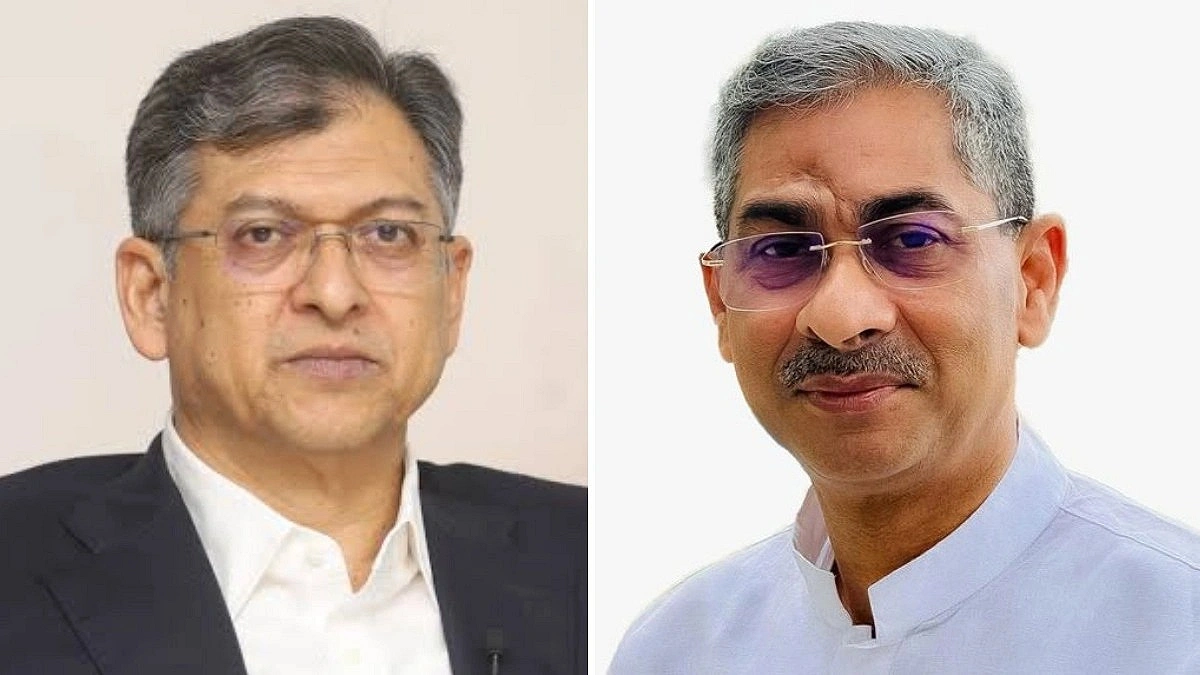
Following the nomination of Mirza Fakhrul Islam Alamgir for the post of president, several important equations within the party and the government are changing. He has already resigned from the posts of BNP secretary general and standing committee member.
He will also soon leave his responsibilities as the minister of local government, rural development, and cooperatives. His parliamentary seat, Thakurgaon-1, will become vacant once he is elected president, leading to a by-election.
Given the BNP’s majority in Parliament, it is almost certain that Fakhrul will become the country’s 23rd President.
As his path to the president’s office clears, new calculations have begun for the BNP’s second-highest organizational post, several cabinet departments, the party’s standing committee, and the Thakurgaon-1 seat. The most discussed question within the party is who the new secretary general will be.
On Thursday, during a meeting of the BNP Standing Committee at the Secretariat, party Chairman and Prime Minister Tarique Rahman announced Fakhrul as the party’s presidential candidate. While the new secretary general was discussed, no official name was announced.
Party sources said Senior Joint Secretary General Ruhul Kabir Rizvi is set to take charge as the acting secretary general until the next council. He holds significant acceptance among activists due to his active role in long-term movements, facing cases and imprisonment, and his firm stance during the party’s difficult times.
Alongside his acting duties, he may lead the race to become the full secretary general in the next council. The names of Standing Committee members Salahuddin Ahmed and AZM Zahid Hossain, both serving in the cabinet, are also being discussed for the post.
Home Minister Salahuddin Ahmed may take over the Ministry of Local Government, Rural Development, and Cooperatives, while Water Resources Minister Shahiduddin Chowdhury Anee may be given charge of the Ministry of Home Affairs.
Sources indicate the government has reached a policy decision on the matter. The discussion regarding cabinet changes extends beyond just Fakhrul’s department as 17 August marks six months of the BNP government, which had adopted a 180-day work plan for each ministry to implement the election manifesto.
Several government sources said a limited cabinet reshuffle might occur after officials review work progress, successes, and limitations based on that plan.
At least two ministers or state ministers may be changed, particularly in ministries where the pace of work is relatively slow. Some ministers hold responsibilities for multiple ministries; to increase efficiency, their duties may be reduced to bring in new faces.
A senior leader mentioned that Tarique has already summoned several ministers to express dissatisfaction with their progress.
Some have been given deadlines to meet specific targets, and certain ministries’ activities are being specially monitored from the prime minister’s office. However, one adviser to the PM noted that no decision to remove anyone has been observed yet based on only six months of evaluation.
However, the possibility of redistributing responsibilities or a cabinet reorganization cannot be ruled out. On 11 August the PM’s Information Adviser Zahed Ur Rahman said a committee comprising advisers and special assistants is reviewing the government’s activities.
He added that the PM will present the government’s position and future plans to the nation after reviewing the achievements and limitations of the first 180 days. Two ministers observed that at least seven to eight ministries have slow operations and may face changes.
Standing Committee member and Minister of Power, Energy, and Mineral Resources Iqbal Hassan Mahmood said a cabinet reshuffle is a normal government activity and there is no room for comment.
Meanwhile, there are discussions about including partners from the BNP’s movement in the potential reshuffle, fulfilling a pre-election pledge to form a National Government.
Nurul Hoque of Gono Odhikar Parishad and Zonayed Saki of Ganosamhati Andolan serve as state ministers. Bobby Hajjaj, who joined the BNP from the Nationalist Democratic Movement (NDM), is also a state minister.
There are demands to include others, with names like Mahmudur Rahman Manna (Nagorik Oikko), Saiful Huq (Revolutionary Workers Party), and Mostafa Jamal Haider (Jatiya Party-Kazi Zafar) under discussion, though no formal decision has been made.
Fakhrul’s presidential candidacy also creates a vacancy in the BNP standing committee, which already had six vacant seats due to deaths, resignations, and appointments to constitutional posts.
There are now seven vacant seats in the 19-member committee, which the party chairman can fill gradually. Significant interest surrounds the Thakurgaon-1 seat, which will trigger a by-election once Fakhrul is elected president.
Speculation has begun regarding the BNP nominee. The Mirza family has long influenced Thakurgaon politics; his father, Mirza Ruhul Amin, was a former MP and minister, and his uncle, Mirza Golam Hafiz, was a former speaker and minister.
Discussions focus on a candidate from the family, such as Fakhrul’s eldest daughter, Mirza Shamaruh, an Australian-based medical scientist and researcher who was active during the last election. His younger brother, Mirza Foysal Amin, president of Thakurgaon District BNP and former municipal mayor, is also a strong potential candidate.
Ultimately, Fakhrul’s move to the president’s office signifies more than just a change in position for a top leader; it reshapes the party leadership, standing committee equations, key government roles, and Thakurgaon’s political landscape, with these changes expected to take formal shape in the coming weeks.

