
UN Report
Bangladesh among 10 worst-hit countries in food crisis

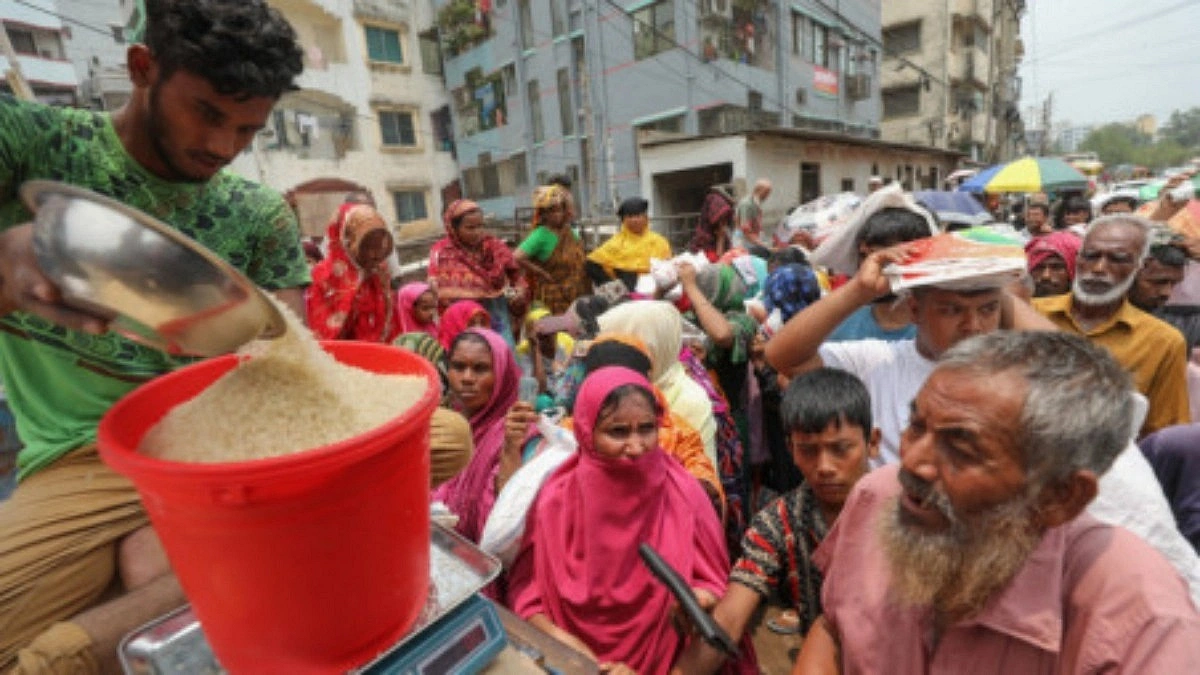
Collected Photo
The global food crisis is no longer a short-term issue; it has become a persistent and worsening emergency, according to a recent United Nations report. Bangladesh has also been placed on the list of countries facing severe concern.
The Global Report on Food Crises 2026, released on Friday, says 266 million people across 47 countries suffered acute food insecurity in 2025. This accounts for nearly one-quarter of the analyzed population and is almost double the figure recorded in 2016.
The report identifies Afghanistan, Bangladesh, the Democratic Republic of Congo, Myanmar, Nigeria, Pakistan, South Sudan, Sudan, Syria and Yemen as the 10 countries hosting two-thirds of the world’s population facing severe food insecurity. Bangladesh is therefore among the central hotspots of the crisis.
Qu Dongyu, Director-General of the Food and Agriculture Organization of the United Nations, said acute food insecurity is no longer only widespread but has become persistent and recurring.
He warned that the crisis has now taken a structural form.
The report shows that conflict remains the main driver, affecting more than half of those in severe food crisis situations. Climate change, economic instability and forced displacement are further deepening the crisis.
In 2025, more than 39 million people faced emergency-level food insecurity, while the number of people in famine-like conditions has increased ninefold compared to 2016.
Children remain the most affected group. Last year, 35.5 million children suffered from acute malnutrition, including nearly 10 million in severe conditions that pose life-threatening risks.
Forced displacement is also worsening the situation. More than 85 million displaced people in food crisis-affected countries were reported last year, with displaced populations facing higher levels of hunger than local communities.
UN Secretary-General António Guterres said in the report’s foreword that it serves as a warning. He stressed the urgent need to increase investment in emergency assistance and strengthen political will to end conflicts.
However, the report highlights a concerning trend of declining international funding. Support for food and nutrition assistance has fallen to nearly a decade-low level, making effective response increasingly difficult.
It warns that if current trends continue, conditions are unlikely to improve in 2026. Ongoing crises in the Middle East and global market instability could further increase food prices and strain supply systems.
Experts say that without immediate and effective action in vulnerable countries like Bangladesh, the food crisis could deepen further and become long-term.
