

AI surge pushes Taiwan’s richest 50 to record $308bn

Collected Photo
The wealth of Taiwan’s billionaires has reached new heights amidst the surge in Artificial Intelligence (AI).
Due to the massive rise in the semiconductor and AI sectors, the combined wealth of the country’s top 50 richest individuals increased by $111 billion in a single year. Consequently, their total assets reached a record $308 billion.
According to Forbes, Taiwan’s economy achieved 8.7 percent growth in 2025, the highest in the last 15 years. Simultaneously, with the leap in the AI-driven stock market, the collective wealth of the top 50 billionaires rose from $197 billion to the record $308 billion within a year.
Due to the rise of the AI sector, Taiwan’s main stock index, the TAIEX, more than doubled in value over a year. As a result, with a market value of $4.4 trillion, Taiwan’s stock market has now become one of the largest in the world.
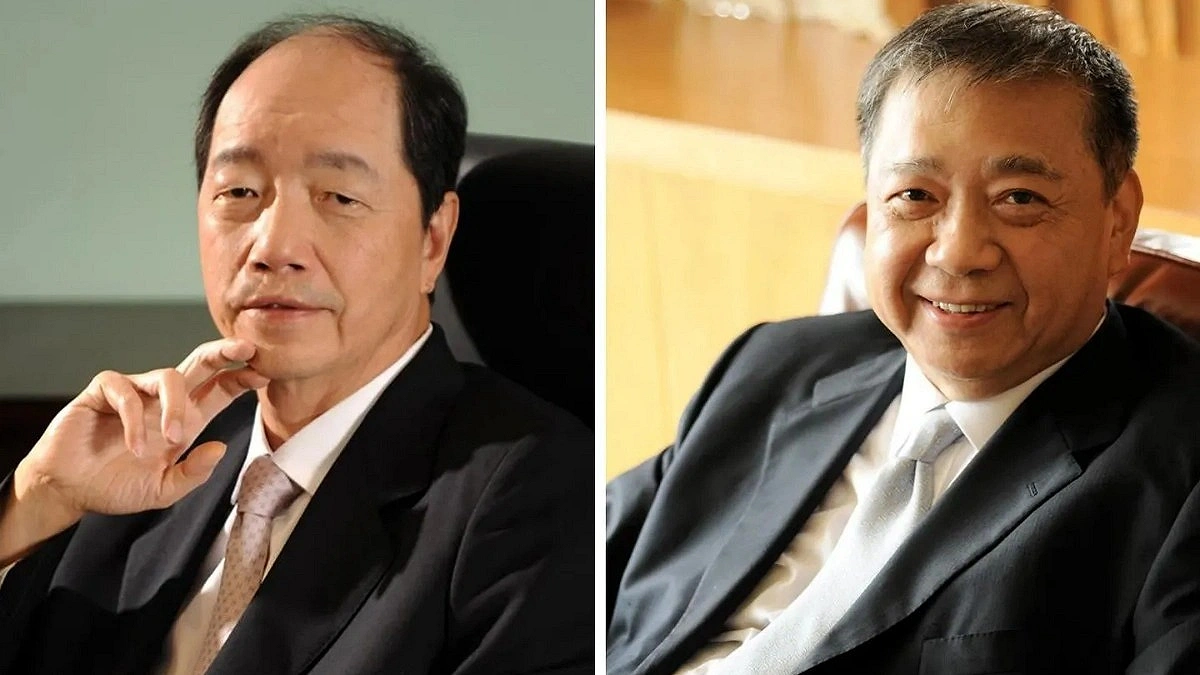
The wealth of 34 billionaires increased on this year’s list. Benefiting from the highest wealth growth, two brothers, Jason Chang and Richard Chang, have risen to the top position for the first time.
Their wealth increased by $14.5 billion in a year to reach $22.4 billion. They serve as the chairman and vice chairman, of the semiconductor packaging, assembly, and testing firm ASE Technology Holding.
In second place is Pierre Chen, the founder and chairman of the electronic component manufacturer Yageo. His wealth increased by $12.1 billion, rising to $18.2 billion.
Last year’s top-ranked billionaires, Daniel Tsai and Richard Tsai, have dropped to third place this year. Although their wealth increased by $2.8 billion, standing at $16.7 billion. The share price of their Fubon Financial Holding rose by 26 percent over the year.
Terry Gou, the founder of Hon Hai Precision Industry, the world’s largest contract electronics manufacturer, holds the fourth position. As the share price of the company - more commonly known as Foxconn - increased by 70 percent in a year, his wealth reached $15.5 billion. Foxconn is one of the primary producers of AI servers for cloud service providers.
Bruce Cheng, the founder of Delta Electronics, saw the highest percentage increase in wealth. His company manufactures AI GPU-related power supply systems and components for various technology firms, including Nvidia and Google. With his wealth increasing nearly fivefold, he has risen to seventh place with assets of $14.5 billion.
Eight newcomers have been added to the list this year, all of whom are involved in semiconductor or AI-related businesses.
The wealthiest among the newcomers is Hsieh Wen-ta, the chairman of Hon Precision, a manufacturer of AI chip testing equipment. Following an IPO last November, his company’s share price has more than doubled. He made his debut in 12th place with $7.1 billion in wealth.
Three billionaires returned to the list after previously being excluded. Among them is Chin Jong-hwa, the founder of the car parts manufacturer Minth Group. His company benefited from increased demand from electric vehicle manufacturers in Europe and China.
However, not everyone’s wealth increased, as the assets of four billionaires declined. Notable among them is Zhang Congyuan, the founder and chairman of Huali Industrial Group. His wealth fell by 20 percent to $6.6 billion.
Due to a decrease in orders caused by commercial and geopolitical uncertainties, the profits of his footwear manufacturing company dropped by nearly half.
Eleven individuals from last year’s list failed to secure a place this year. Amongst them is Samuel Yin, the former president of the financial institution Ruentex Group, who passed away in May this year at the age of 76.
The minimum wealth required to be included in the list this year stood at $2.2 billion, which is significantly higher than the previous year’s threshold of $1.3 billion.

