

China cuts fuel use sharply as Iran war reshapes oil market

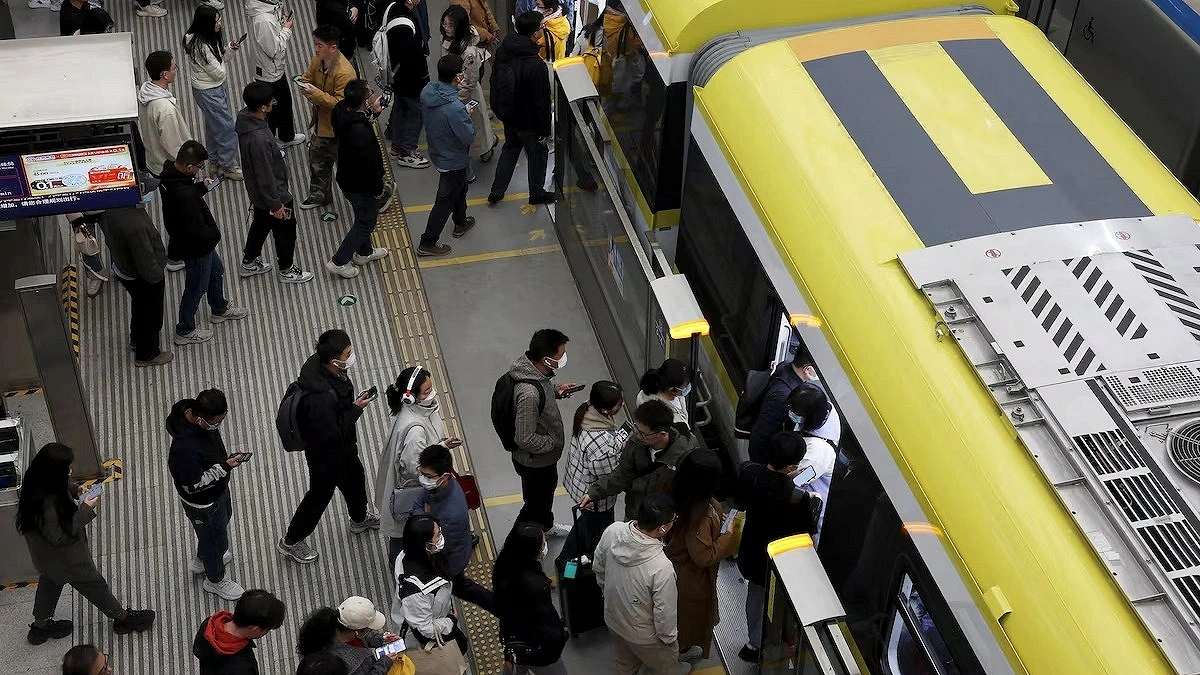
Photo: REUTERS
China, the world’s largest oil importer, has seen demand for fuel oil fall far more sharply than expected, three months into the Iran war - as a new reality grips the global oil market.
Data from Sinopec, the operator of China’s largest petrol pump network and the world’s largest oil refiner, indicates that their petrol sales in April fell by 8 percent and diesel sales by 6 percent compared to the same period last year.
While energy consumption in China has been declining in recent years due to a slowdown in economic growth and the increasing use of electric cars and trucks, the recent sharp decline has surprised industry experts.
According to Goldman Sachs, the use of petrol and related fuel products decreased by around 20 percent in April. Meanwhile, the Chinese consultancy firm GL Consulting estimated this rate to be around 15 percent.
However, unlike during the pandemic, people’s travel has not ceased; rather, travel patterns have changed.
According to China’s Ministry of Transport, railway travel increased by nearly 10 per cent year-on-year in March and April, compared to only 5 percent last year. The use of electric-powered metros and taxis is also rising rapidly in many cities.
China, the country with the highest number of electric vehicles (EVs) in the world, also saw an increase in EV usage in April.
According to data from the state-supported China Charging Alliance, charging volume reached a record high during this period, increasing by 69 percent compared to the previous year.
These statistics suggest that China can operate using much less fuel than previously estimated, which is significantly reducing the need for imported oil. Around half of the crude oil used in China is converted into petrol and diesel.
Analysts from JP Morgan said that many consumers have quietly shifted away from oil-dependent transport due to high fuel prices and airfares.
Since the start of the Iran war, China has significantly reduced its crude oil imports. The need for imports has decreased as the country has utilised oil from reserves built up during periods of lower prices.
As a result, some of the pressure caused by the partial stalemate in the Strait of Hormuz has been alleviated, helping to keep oil prices under control.

