
What Trump’s 'Indefinite Ceasefire' Could Possibly Mean

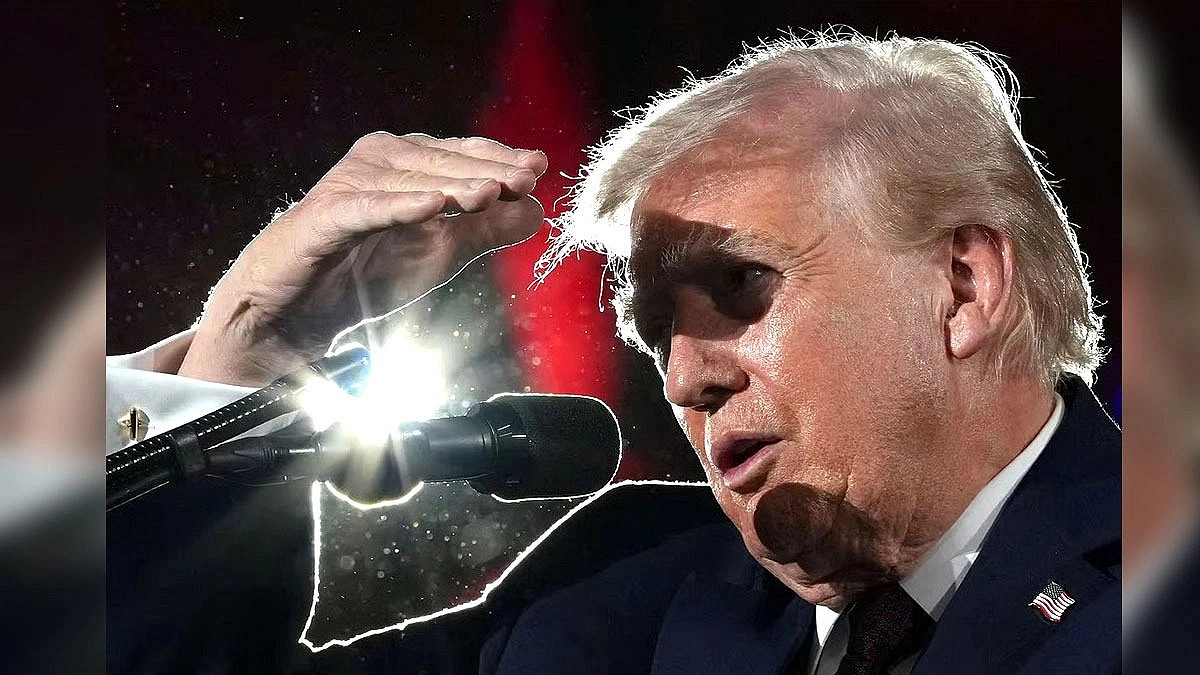
US President Donald Trump. Photo: Collected.
U.S. President Donald Trump has announced an indefinite extension of the ceasefire with Iran, stating the pause will remain in effect until ongoing negotiations—mediated by Pakistan—reach a conclusion.
While the Iranian news agency Tasnim reports that Iran made no formal request for such an extension, analysts believe several strategic motivations could be behind Trump’s decision.
Signaling an Exit from the Conflict
One interpretation is that Trump has realized the war is not yielding the desired results. Despite employing various military strategies, the U.S. has seen limited success. This announcement may be a pragmatic realization that military intervention is no longer a viable path to victory, leading the administration to seek a graceful exit from a conflict that offers no significant further gains.
The Risk of Strategic Deception
There are concerns that the ceasefire is not a move toward peace, but rather a "tactical pause." Analysts suggest this could be a form of strategic deception: while the U.S. publicly declares a ceasefire, it—or its regional ally, Israel—could continue covert military operations or intelligence-led sabotage. Tasnim News reports that Iranian officials are remaining highly vigilant and are not taking this announcement at face value.
U.S. Withdrawal, Israeli Persistence
Another possibility is that the U.S. intends to step back from direct combat while allowing Israel to continue the conflict, perhaps under the pretext of ceasefire violations in Lebanon. However, Iran has already warned the U.S. that it cannot unilaterally exit the war while leaving Israel to continue hostilities without consequences.
Continued Hostility via Naval Blockade
Iran has made it clear that a naval blockade is an act of war. Even with a ceasefire on land or in the air, as long as the U.S. blockade remains, the Strait of Hormuz will stay closed. Iran has hinted that it is prepared to use force to break the blockade if necessary, meaning the "indefinite ceasefire" may exist in name only if the maritime standoff persists.
Keeping Iran Under the "Shadow of War"
Finally, this could be a strategy to maintain a state of permanent uncertainty. By keeping Iran in a "neither war nor peace" limbo, the U.S. may hope to destabilize the Iranian economy and political landscape. While the U.S. might view this as a return to the status quo, Iran argues the situation has fundamentally changed because they now control the flow of the Strait of Hormuz. Their message is simple: if the U.S. maintains the shadow of war, the Strait stays shut.
