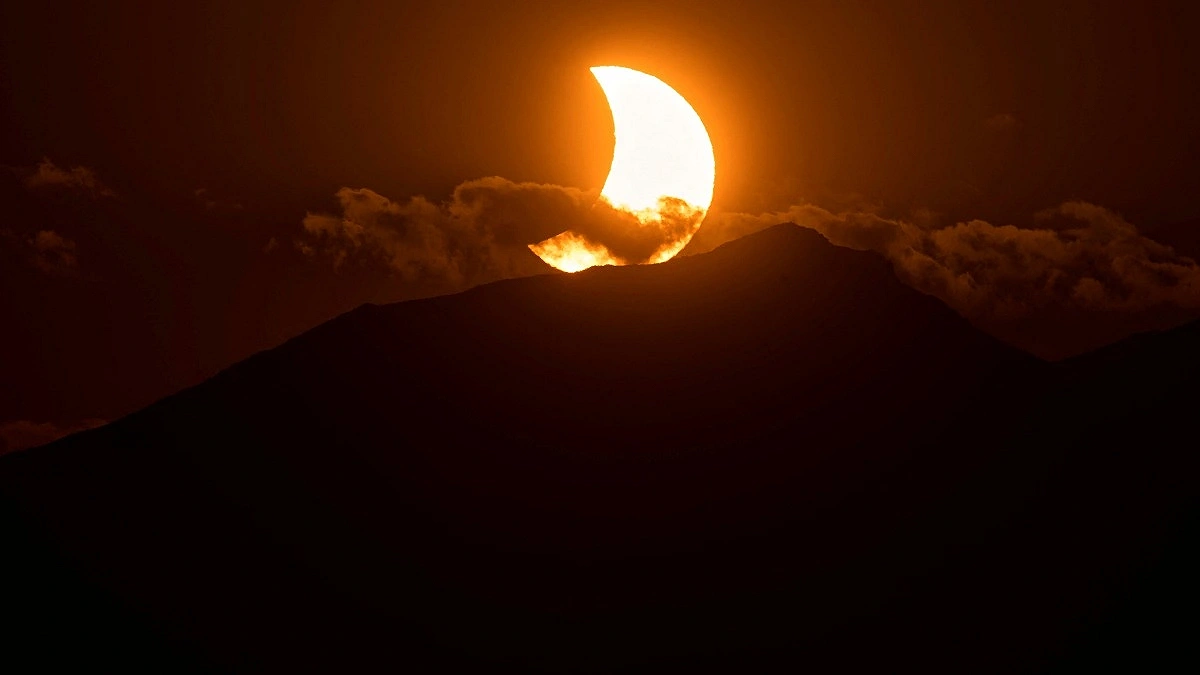
Solar eclipse plunges parts of Spain into darkness after more than a century

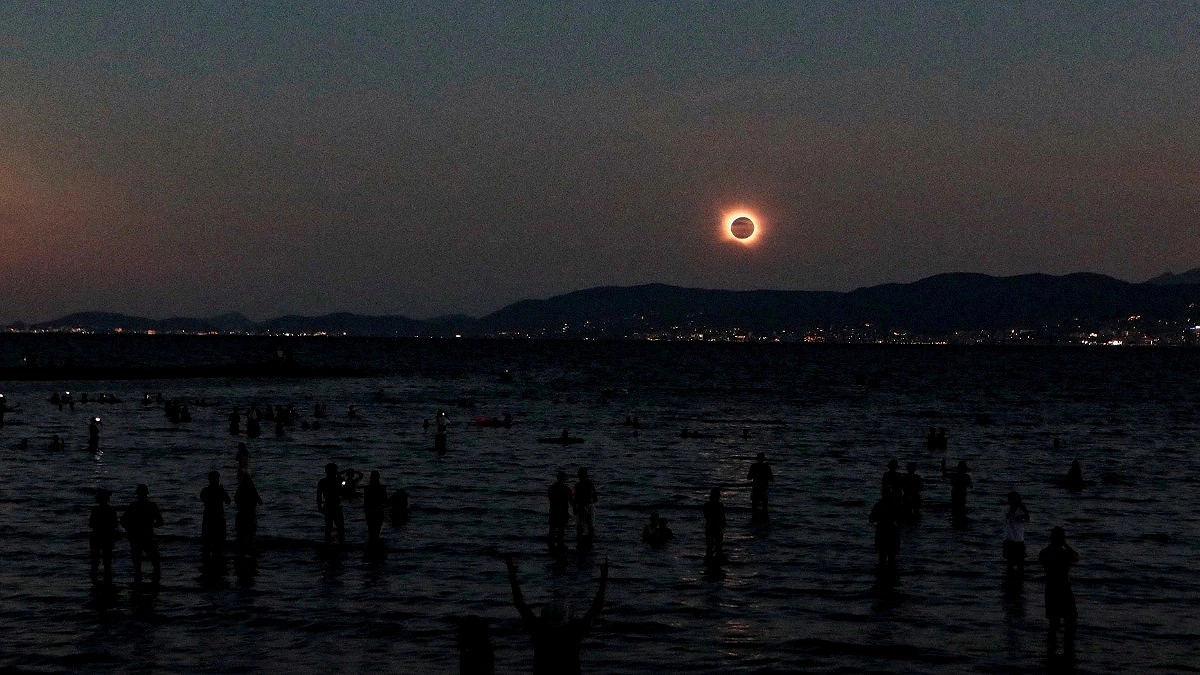
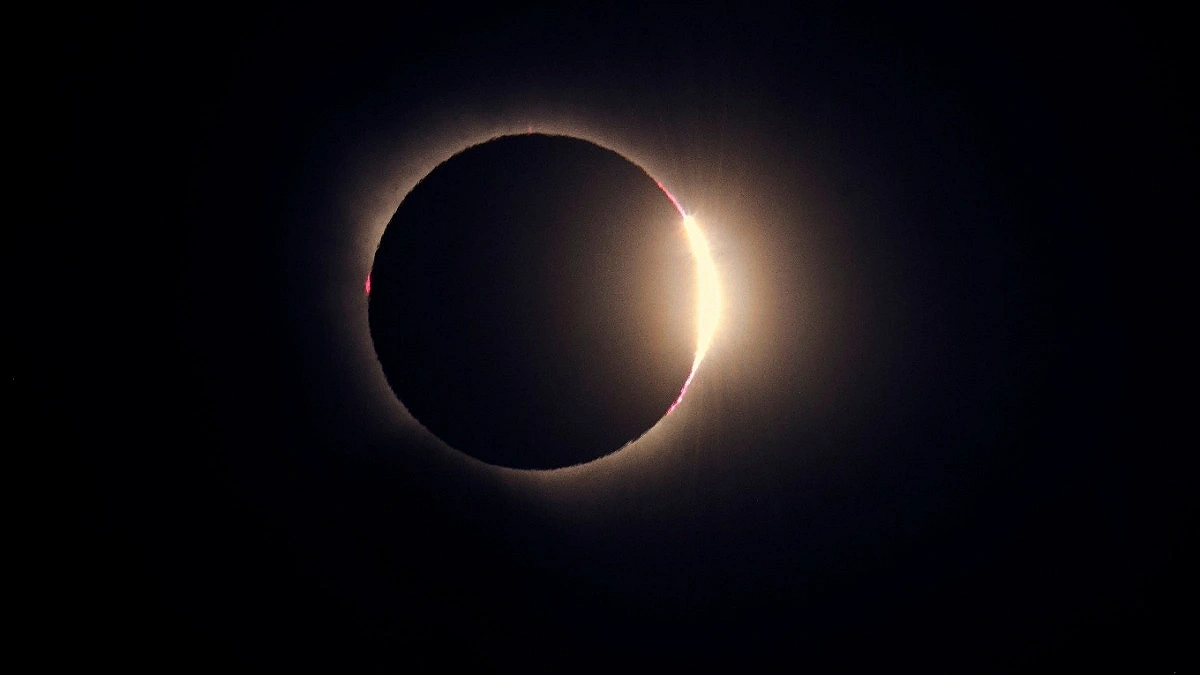
During the total eclipse, the sun appeared like a ‘diamond ring’ from El Arenal beach in Mallorca, Spain. Photo: Reuters
Parts of Spain briefly fell into darkness on Wednesday as the country witnessed its first total solar eclipse in more than a century, creating a spectacular display that drew huge crowds across the country.
The eclipse was the first total solar eclipse visible from mainland Europe since 2006. Its path also crossed parts of Greenland and Iceland before moving across the Atlantic toward northern Spain.
As the Moon completely blocked the Sun, the glowing outer corona became visible around the edges of the lunar shadow, prompting cheers and amazement among spectators. The eclipse had begun about 90 minutes earlier in the remote Arctic region of northern Russia.
Reuters photo.
“This is crazy!” a woman in Tarragona on Spain’s Mediterranean coast exclaimed as crowds around her applauded.
In Spain, the Moon’s shadow travelled diagonally along a narrow path from the northern coast toward the Balearic Islands. Tourists and locals gathered on beaches to witness the rare event, many wearing protective glasses and swimsuits.
“Spectacular, very beautiful, truly a unique moment,” said 72-year-old Rosa Maria Zamora, who watched the eclipse in Colmenar Viejo, about 30 kilometres north of Madrid.
Reuters photo.
Special eclipse glasses were in high demand as millions of people across Europe gathered to watch the partial eclipse. The phenomenon was also visible in parts of Canada, the northern United States and northwest Africa.
A partial eclipse began in northern Spain shortly after 7:30 p.m. CET, drawing gasps from spectators and applause from South Korean tourists gathered in a field near Lodoso, close to the northern city of Burgos.
“How wonderful!” a woman in the crowd in Colmenar Viejo said.
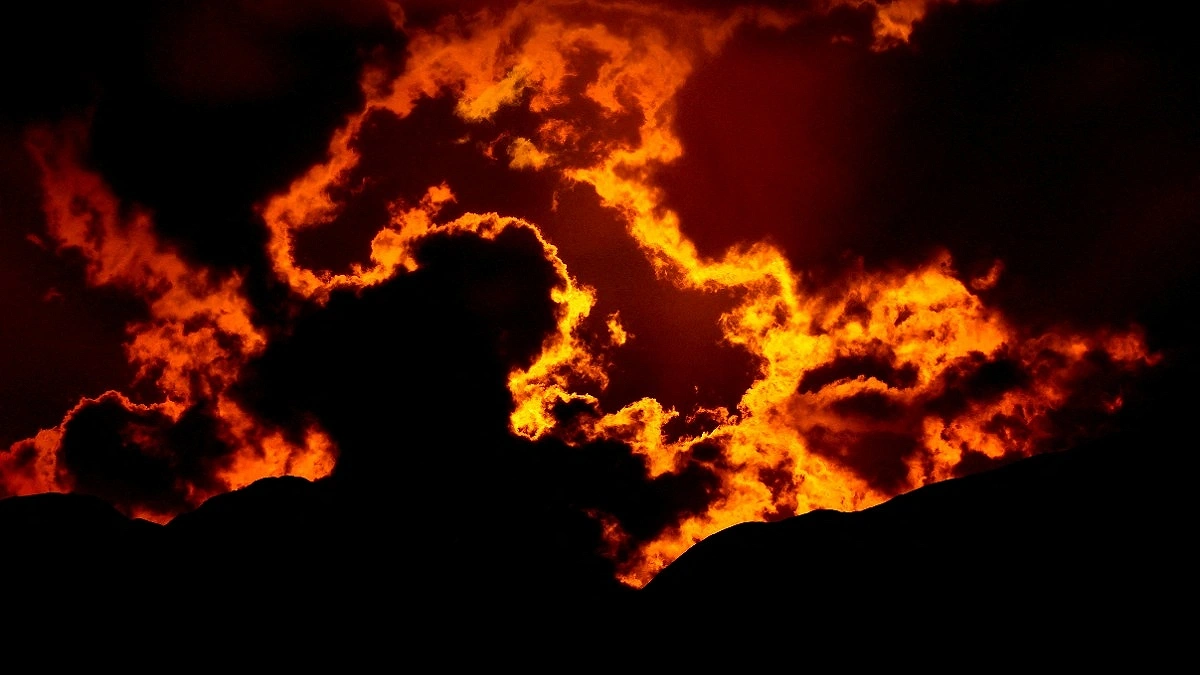
In the French Pyrenees, clouds cleared just minutes before the eclipse reached the summit of Pic du Midi, giving visitors a clear view. Crowds also gathered in London, Paris and other parts of Europe.
A Fleeting Spectacle
Throughout history, solar eclipses have inspired awe, fear and fascination as they temporarily disrupt the normal appearance of the sky.
Reuters photo.
When the Sun and Moon align, the Moon casts a dark central shadow, or umbra, creating an unusual twilight. Temperatures can fall, shadows take on unusual shapes and some animals may behave as though night has arrived.
The total eclipse, however, is extremely brief. In parts of Russia and Greenland, totality lasted less than two and a half minutes.
The partial phase, which occurs as the Moon begins and ends its passage across the Sun, was expected to last about one hour and 45 minutes.
The event was livestreamed by NASA and the European Space Agency, giving scientists a rare opportunity to study the Sun’s atmosphere and outer corona. Researchers hope such observations will help shed light on solar winds and the magnetic field of the Sun. (Source: Euronews)