
Why Russia’s election matters this time and who the candidates are

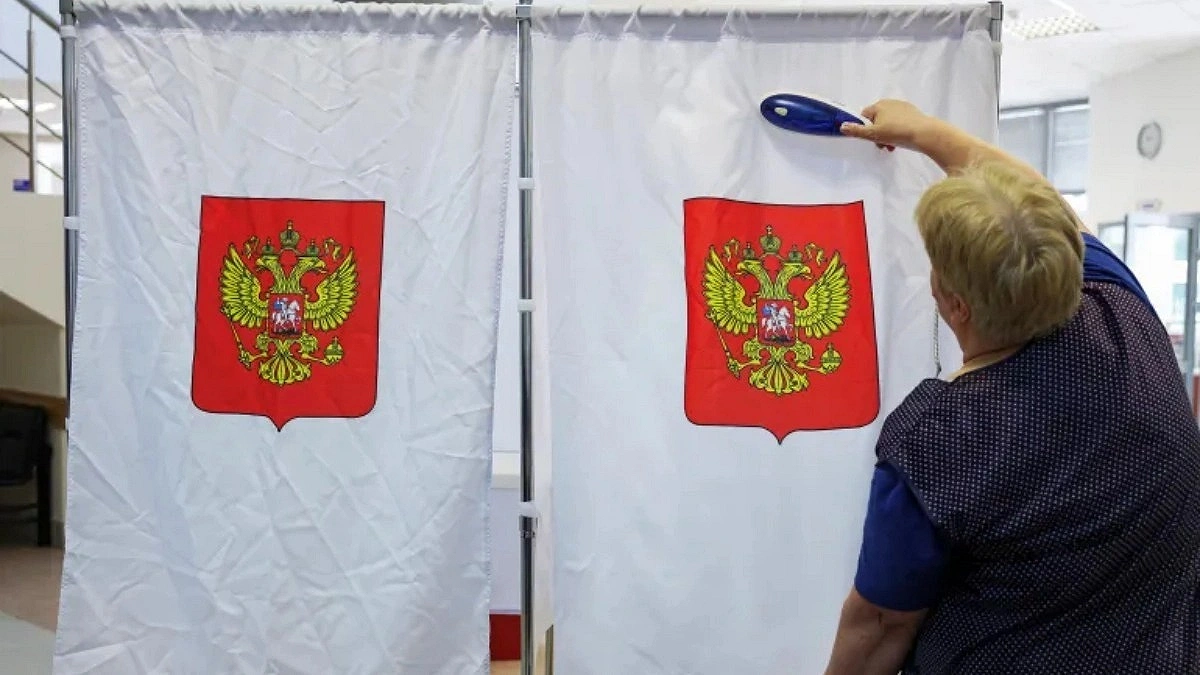
Photo: Reuters
Russia’s parliamentary election began on Friday. Russians will vote through Sunday to elect members of the State Duma, the lower house of parliament. It is the first parliamentary election held in Russia since the war with Ukraine began in 2022.
This year’s election is taking place at a time when Russia’s economy is slowing. At the same time, Ukrainian drones are striking oil refineries and warehouses far from the frontline.
The ruling United Russia party, which is backed by Russian President Vladimir Putin, is expected to retain its dominance in parliament.
While Russian authorities have presented the election as an opportunity for voters to express their views, critics say the result has already been determined because genuine opposition parties are absent from the ballot.
How Russia’s election works
Voting began on Friday and will continue through Sunday. Members of the State Duma will be elected in the process. Local elections are also being held at the same time.
Governors will be elected in 11 regions and members of regional legislatures will be elected in 39 regions.
Voting is being held over three days to increase participation among the country’s 111 million voters. Russian occupied areas of Ukraine are also included in the voting process. Electronic voting is also available.
The 450 seats in the State Duma are filled in two ways. Half are elected through party lists and the other half through direct contests in single member constituencies.
What is United Russia?
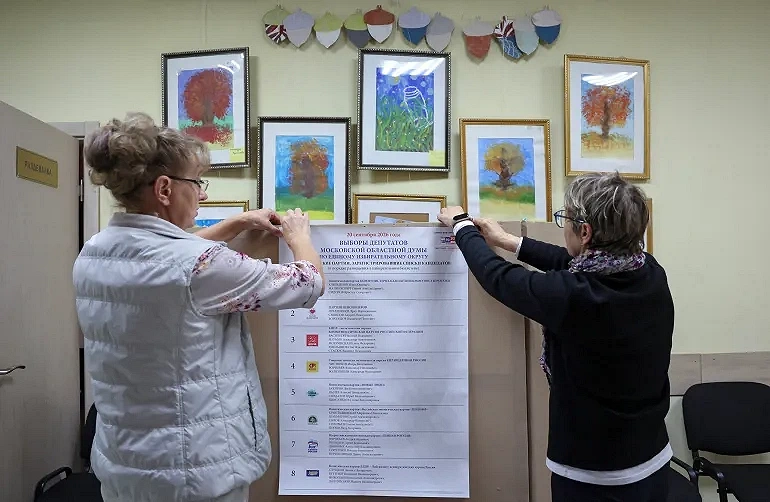
United Russia was formed in 2001 through the merger of pro Kremlin political parties. The party has remained in power ever since. It has supported Putin from the beginning and has maintained its dominance in parliament.
United Russia won more than two thirds of the State Duma seats in the 2021 election. The party is again expected to secure a parliamentary majority.
The party’s candidate list includes influential Russian politicians. They include Russian Foreign Minister Sergey Lavrov, who has served as the country’s top diplomat for 22 years. Moscow Mayor Sergey Sobyanin is also among the candidates.
Although the party is widely viewed as heavily dependent on the bureaucracy, United Russia has brought forward war correspondent Yevgeny Poddubny, who holds the party’s third highest position, as part of efforts to introduce new faces. He was seriously injured in a Ukrainian drone attack.
Who else is contesting Russia’s election?
Alongside United Russia, other parties considered “managed opposition” that support the government on key issues are also expected to retain their positions in parliament.
The liberal Yabloko Party was the only registered political party that opposed the war in Ukraine. The party was initially on the election ballot. However, it was removed in August following a Supreme Court order.
The court ruled that the party’s antiwar position was equivalent to calling for a violation of Russia’s territorial integrity. The party has fielded candidates only in single member constituencies.
The Communist Party has been an important force in the Federal Assembly since the 1990s. It is led by 82-year-old Gennady Zyuganov. The former Soviet official has led the party for more than three decades.
During Putin’s more than 25 years in power, the Communists have criticized some aspects of government policy but have refrained from directly criticizing Putin. The party also strongly supports the war in Ukraine.
Political analyst and journalist Alexander Bratersky said it will also be important to see who finishes second in the election.
He said a second-place finish by the Communist Party could indicate “voters’ anger over economic hardship and declining living standards.”
The Liberal Democratic Party, described as “ultranationalist,” has also maintained a significant presence in the legislature since the 1990s and is expected to retain some influence in the Duma.
The party also strongly supports the war in Ukraine. Several of its members are former military personnel with wartime experience. Several other small parties are also contesting the election.
Another party contesting the election is A Just Russia. The social democratic party has been part of Russia’s political landscape for the past 20 years. It competes with the Communist Party for support among older and middle-aged voters. The party also supports the war in Ukraine.
The New People Party was established shortly before the 2021 parliamentary election. The party aimed to establish itself as a liberal voice representing young voters and technically skilled professionals. It entered parliament after receiving more than 5 percent of the vote in 2021.
Other parties contesting for seats include the smaller Communist Party rival Communists of Russia, the Party of Pensioners, the Green Party, the Party of Direct Democracy and the Motherland Party.
Why is the election important to the Kremlin?
Russia’s current election carries particular significance. It is the first parliamentary election since the start of Russia’s war in Ukraine.
According to Bratersky, Putin himself has linked the election to support for the war. At the United Russia party congress in August, Putin said it was the party’s responsibility to “do everything for victory” in the war in Ukraine.
Bratersky said, “It is clear that the Kremlin is somewhat concerned. Because the only legal way to show disrespect toward the Kremlin is through elections.”
He also said, “Even Putin’s staunchest supporters hate United Russia as a corrupt force.”
What were previous elections like?
Since Putin first came to power in 2000, United Russia has won every Duma election by a large margin. However, the results of these elections have repeatedly been questioned.
Allegations of vote rigging in 2011 triggered the largest protests of Putin’s rule.
After the 2021 election, independent observers and statisticians said the party’s actual support was much lower than the results reported by the authorities.
The authorities have rejected allegations of widespread fraud. Opposition parties and critics of the war have increasingly been kept off election ballots.
Source: Al Jazeera (Adapted)
