
Anemia: Iron deficiency is not the only culprit

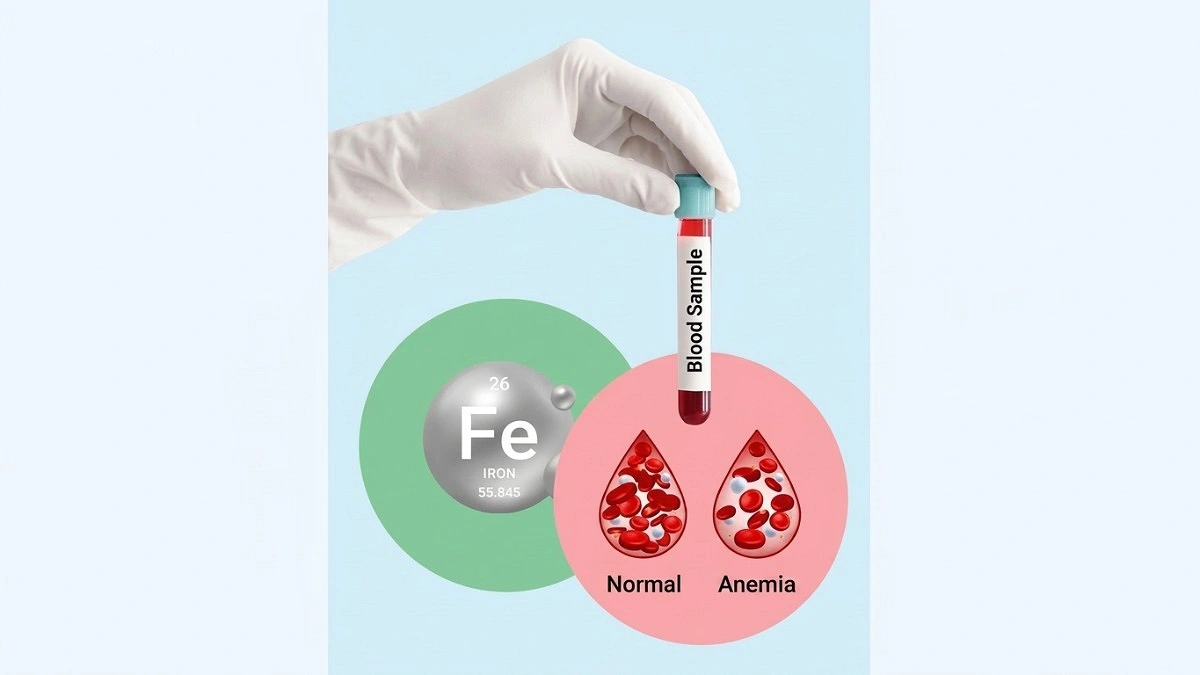
Graphics: Agamir Somoy
Anemia is a very familiar health problem in Bangladesh and many countries across the globe. A widespread perception among the public is that anemia means a deficiency of iron in the body.
However, in reality, the matter is not that simple. Aside from iron deficiency, various other factors can lie behind anemia, which, if not accurately diagnosed, can lead to treatment failure.
Anemia is a medical condition where the level of hemoglobin in the blood drops below normal levels. Hemoglobin is a protein located inside red blood cells that carries oxygen to every cell in the body. When hemoglobin decreases, the body becomes weak, giving rise to various symptoms including fatigue, dizziness, and shortness of breath.
Iron serves as one of the primary components required for manufacturing hemoglobin. When an iron deficiency occurs in the body, hemoglobin production is disrupted, resulting in anemia.
In Bangladesh, malnutrition, blood loss, pregnancy, and rapid growth in children are the most common causes of iron deficiency anemia, though it is not the sole cause. Beyond iron deficiency, there are several other causes of anemia.
A deficiency in Vitamin B12 and folic acid leads to megaloblastic anemia, a condition in which red blood cells grow abnormally large and lose their functional efficiency.
Genetic disorders like thalassemia and sickle cell anemia are hereditary diseases where blood cells form abnormally and break down rapidly. Anemia can develop due to chronic diseases such as long-term infections, kidney disease, cancer, or autoimmune disorders, where the body is unable to utilize iron despite its presence.
Long-term blood loss resulting from stomach or intestinal ulcers, hemorrhoids, or excessive menstrual bleeding also causes anemia. Bone marrow disorders such as leukemia, aplastic anemia, or any form of blood cancer prevent the bone marrow from producing a sufficient quantity of blood cells.
Treating anemia under the sole assumption of iron deficiency can frequently aggravate a patient’s condition. For example, administering extra iron to a thalassemia patient can cause iron accumulation in the body, damaging the heart and liver. Giving iron for anemia caused by a Vitamin B12 deficiency offers no benefit and instead delays proper medical treatment.
Therefore, accurate diagnosis through blood tests is essential to determine the precise cause of anemia. A Complete Blood Count (CBC) helps evaluate the number and size of blood cells, while a Serum Ferritin test determines whether iron reserves exist.
A Vitamin B12 and Folate Test identifies potential vitamin deficiencies, and Hemoglobin Electrophoresis detects thalassemia or other genetic disorders. To prevent anemia and raise awareness, people should consume foods rich in iron, Vitamin B12, and folic acid, while pregnant women and children should undergo regular health check-ups.
Pre-marital blood tests and genetic counseling are essential to prevent thalassemia, and individuals suffering from chronic illnesses must seek regular advice from physicians. The message that anemia does not mean iron deficiency alone is crucial, as attempting to solve the problem merely with iron supplements is ineffective and can often prove harmful.
As a result, awareness, proper diagnostic testing, and consultations with a specialist in hematology are indispensable.
Writer: Specialist in Hematology and Blood Cancer at the National Institute of Cancer Research and Hospital.


