
Indian Court Declares Mosque Complex a Temple

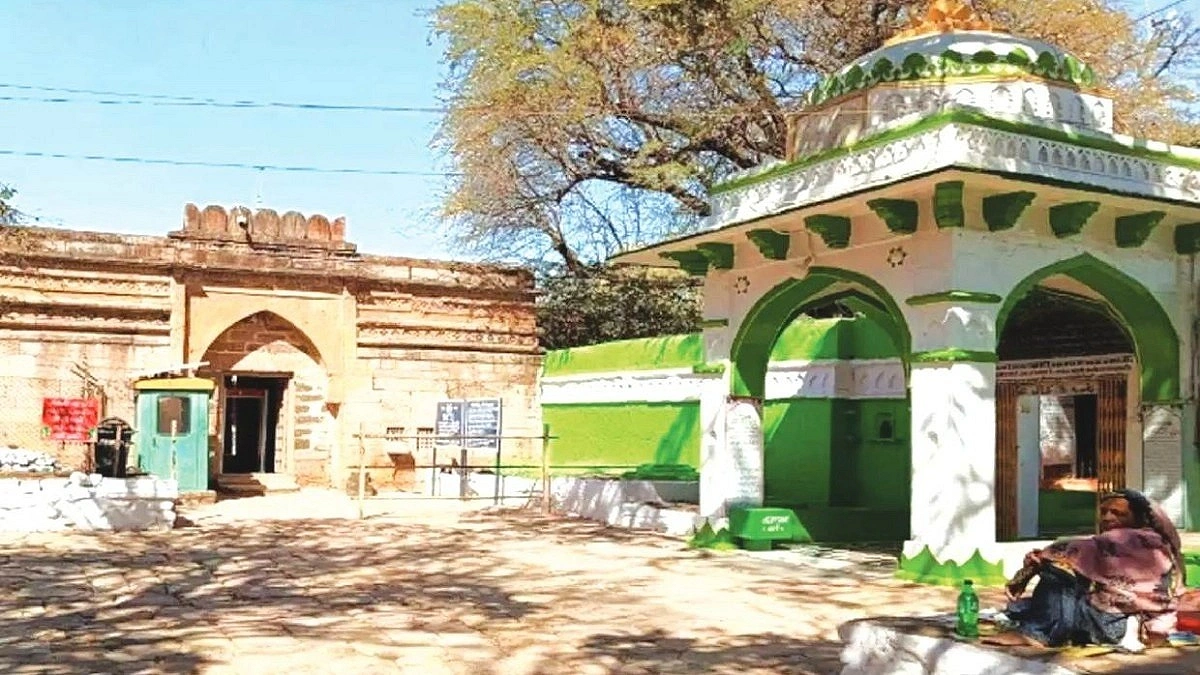
Collected Photo
The Madhya Pradesh High Court in India has declared the disputed Bhojshala-Kamal Maula Mosque complex in Dhar district a temple. In a ruling delivered on Friday, the court concluded, based on archaeological and historical evidence, including a survey report by the Archaeological Survey of India (ASI), that the protected site is a temple dedicated to Goddess Saraswati.
A bench comprising Justices Vijay Kumar Shukla and Alok Awasthi struck down a 2003 ASI directive that had allowed Muslims to offer prayers at the site.
“The 2003 ASI directive, which restricted Hindus’ right to worship and permitted the Muslim community to offer namaz, is hereby quashed,” the court said.
The court also said Muslims may apply to the state government for alternative land if they wish to construct a mosque elsewhere.
According to legal news outlet Bar and Bench, the High Court stated, “This historical and protected site is a temple of Goddess Saraswati. The central government and the ASI will decide how the Bhojshala temple will be managed. Under the 1958 Act, the ASI will retain full control over the property.”
According to news agency Press Trust of India (PTI), Hindu side lawyer Shirish Dubey said the ruling clearly recognized Bhojshala as a Saraswati temple built by King Bhoj. He said the court rejected the Muslim side’s petition while accepting both petitions filed by the Hindu side.
“The High Court order clearly states that Bhojshala is a temple of Maa Saraswati built by Raja Bhoj. The court has dismissed the Muslim side’s petition. Both petitions filed by the Hindu side have been accepted, and their demands fulfilled. Many people dedicated their youth to this movement. Several sacrificed the prime years of their lives for it. Three people were martyred in this struggle, and thousands of mothers, sisters, and others endured jail hardships. I believe today’s outcome is the result of their struggle and sacrifices,” he said.
Meanwhile, Muslim side lawyer Ashhar Warsi said the court had declared as a temple a site that had previously been regarded as a mosque.
“The court has now declared as a temple the site which was earlier considered a mosque. We have been told that land will be provided elsewhere. We will study the entire judgment in detail, and if our points have not been adequately considered, we will certainly approach the Supreme Court,” he said.
Source: Business Standard (adaptive)
