
US approves F-35 sale to Saudi Arabia

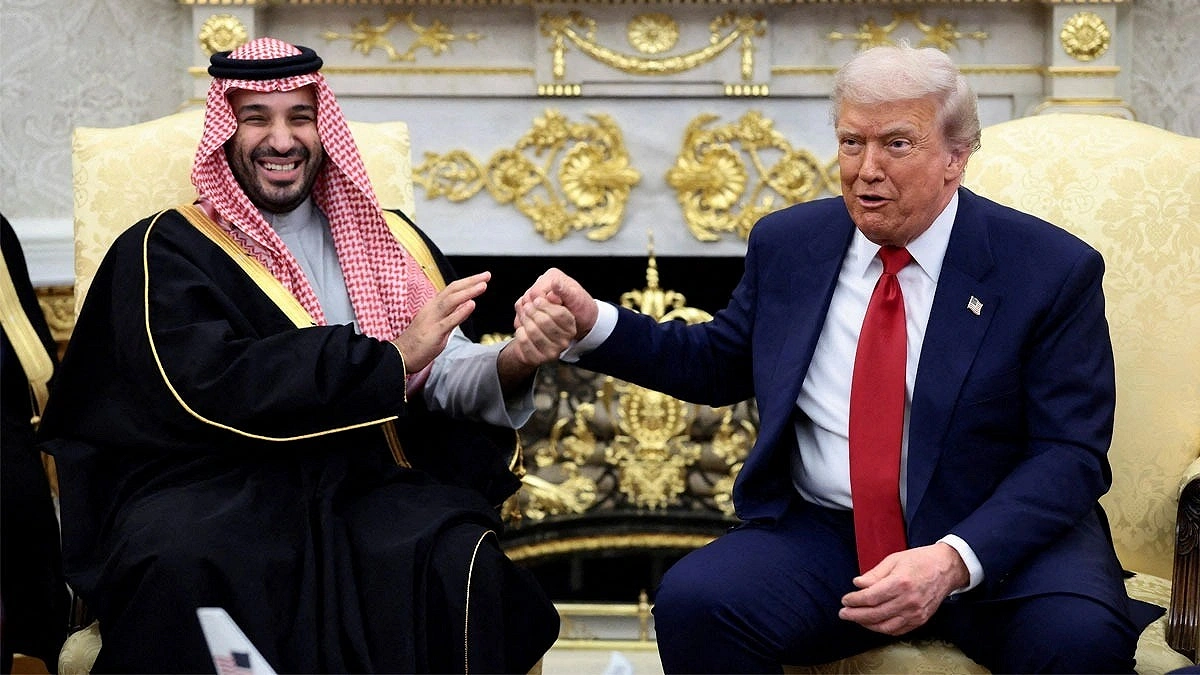
File photo: REUTERS
US State Department announced an arms package Thursday that would send nearly 50 F-35 fighter jets to Saudi Arabia - a policy shift that has drawn opposition from some members of Congress.
The $24 billion deal would directly support US “foreign policy and national security objectives”. Department officials said the transaction will enhance “the security of a major non-NATO ally that is a force for political stability and economic progress in the Gulf region.”
State Department added, “The proposed sale of this equipment and support will not alter the military balance in the region.” US President Donald Trump maintains a close relationship with Saudi Crown Prince Mohammed bin Salman, who visited the White House in November 2025.
The two leaders also held a meeting in Riyadh in May 2025, where they finalized a $142 billion arms sale - a deal the White House labeled the “largest defence sales agreement in history”. The latest agreement announced for Saudi Arabia includes 48 F-35 warplanes manufactured by defense titan Lockheed Martin.
This potential delivery positions Saudi Arabia alongside Israel, which operates a fleet of 50 jets. However, Israel’s Ministry of Foreign Affairs announced in May that it intends to procure an additional F-35 squadron.
According to the Jerusalem Post, this upcoming purchase will double Israel’s total F-35 fleet to 100 jets. A single F-35A jet produced by Lockheed Martin carries a price tag of approximately $82.5 million.
Congress has previously raised sharp questions regarding arms sales to Riyadh following the 2018 murder of Saudi journalist Jamal Khashoggi. Former US president Joe Biden’s administration also evaluated supplying F-35 jets to Saudi Arabia on condition that Riyadh normalize diplomatic relations with Israel, though that diplomatic push eventually faltered.
Rep Raja Krishnamoorthi (D-IL) opposed the sale Thursday, warning it “could put the crown jewels of American military technology within reach of the Chinese Communist Party.”
Other Democratic lawmakers and some US defense officials have raised similar concerns, saying Riyadh might share sensitive technology with China under their security partnership. Congress has 30 days to scrutinize or attempt to block the deal.
The proposed transaction emerges as Saudi forces continue fighting the Houthis, an Iran-backed armed faction that controls extensive areas of western Yemen.
Source: BBC (adapted)
