
Why Modi is urging Indians to stop buying gold

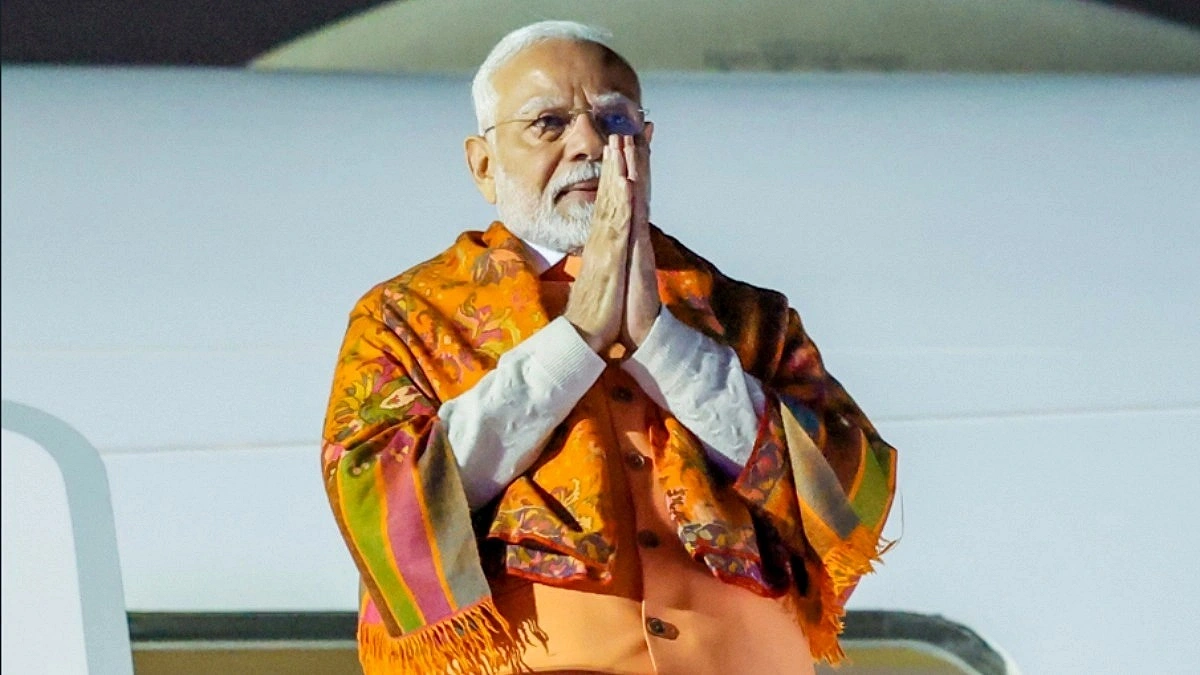
Indian PM Narendra Modi. Photo: Collected
Indian Prime Minister Narendra Modi has urged citizens to refrain from purchasing gold for the next one year in an effort to protect the country’s foreign exchange reserves (forex). At a time when the global economy remains unstable due to tensions in West Asia, the government says this unusual step is necessary to maintain domestic financial stability. However, the appeal made from Hyderabad has already triggered widespread debate and criticism.
Why this strict message?
The backdrop to Modi’s appeal is India’s declining foreign exchange reserves. As of May 1, the country’s forex reserves fell by around $779.4 million in a week, bringing the total down to $690.69 billion. Rising crude oil prices due to conflicts in West Asia have significantly increased import costs.
India is one of the world’s largest importers of gold. The country’s annual demand stands at 700-800 tons, while domestic production is only 1-2 tons. As a result, nearly 90 percent of demand is met through imports, paid for in US dollars.
In the fiscal year 2025-26, India imported a record $72 billion worth of gold (approximately Tk 6 trillion), marking a 24 percent increase from the previous year. Gold accounts for 9 percent of India’s total imports, despite having no direct role in industrial production. Policymakers are now seeking to curb gold purchases to save this large outflow of foreign currency.
What target has been set?
Calling for patriotism, Modi has urged citizens not to purchase any new gold jewelry for the next year.
He reminded people that during past wartime crises, citizens donated gold for national needs. While donations are not being asked for now, he said refraining from new purchases would help conserve foreign exchange reserves. The government aims to offset economic pressure caused by high oil prices by reducing gold imports.
How is the market being affected?
Due to government restrictions and global instability, gold imports in India have already seen a sharp decline. In January 2026, the country imported 100 tons of gold, but by April, this dropped to just 15 tons. Excluding the pandemic period, this is the lowest level in 30 years.
Experts believe that if the Iran-Israel conflict in West Asia continues, oil prices may rise further. In such a scenario, reducing spending on gold, considered a luxury item, could help stabilize the economy by conserving foreign currency reserves.
Modi has expressed hope that citizens will rise above personal interests and embrace this ‘gold restraint’ in the national interest.
Opposition reaction
However, Congress leader Rahul Gandhi has strongly criticized the announcement. He described it as a sign of the government’s “lack of planning” and “failure,” arguing that it reflects an attempt to shift responsibility onto ordinary citizens.
Meanwhile, Indian stock markets reacted negatively on Monday. The Sensex fell by more than 1,000 points at the start of trading amid fears of long-term economic instability.
Reports, including from BBC, also suggest rising concerns in industries and households, as energy shortages threaten jobs in the glass and plastic sectors, while fertilizer shortages could push up food prices.
