

LIFESTYLE
Safety tips for boat trips

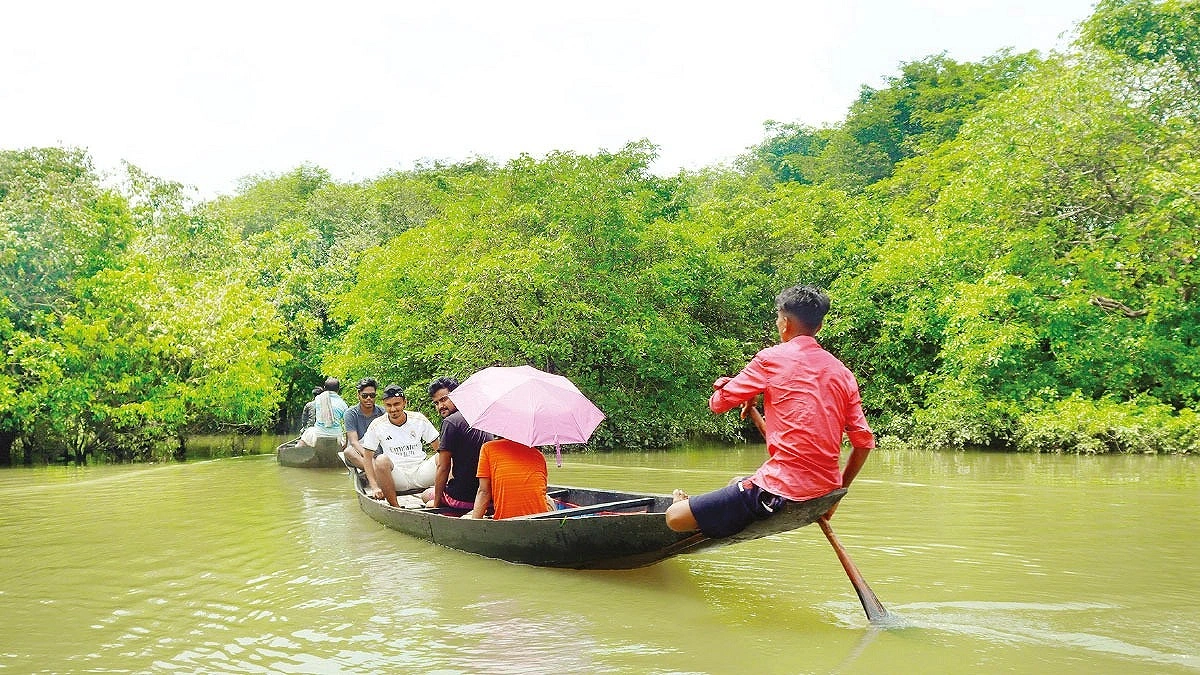
Picture: Ishtiaq Hasan
Now is a great time for boat trips. But enjoying the beauty is not enough; you also need to make sure you return safely. Written by Rezaul Ahmed
A boat moves through a river, canal, or wetland. The scent of aquatic flowers drifts through the air. In the distance, fishermen cast their nets, while the golden light of the setting sun falls across the water. At such moments, it may seem as if this stretch of water is the most peaceful place on Earth. But those who understand the nature of open water know that currents, wind, and weather can change in an instant. That is why the joy of a boat trip is complete only when proper safety preparations are fully ensured.
Before the trip: Especially during the monsoon, river currents and water levels can change quickly. So check the weather forecast before setting out on a boat trip. If there is heavy rain, lightning, strong gusts of wind, or a warning signal on the river, it is wiser to postpone the trip.
What to carry: You can carry a mobile phone and necessary documents in a waterproof bag, a small first aid kit, enough drinking water, sunscreen, a hat or umbrella, extra dry clothes, and necessary medicines.
Put on a properly sized life jacket as soon as you get on the boat
Life jacket: This can be the most important protection in an accident. Put on a properly sized life jacket as soon as you get on the boat. It is even more important for children, older adults, and people who cannot swim.
Do not allow extra passengers: Every boat has a specific capacity. Extra passengers or luggage can disrupt the boat’s balance. Therefore, do not choose a boat based on its passenger or cargo capacity alone. Choose a safe boat.
After getting on the boat: Standing on the boat to take photos, suddenly moving from one side to the other, or everyone crowding onto one side can be dangerous. To maintain balance, follow the boatman’s instructions and remain seated in the designated area.
Pay extra attention to children: Never leave children alone during a boat trip. They should always remain under the supervision of an adult.
Choosing a boatman: Check whether the boatman of the boat you are boarding is experienced. In unfamiliar places, it is safer to use a boat operated from a registered or familiar landing point.
What to do if the weather changes: Do not panic if strong winds, lightning, or heavy rain suddenly begins. Standing up, shouting, or everyone gathering on one side at the same time can create danger. Instead, follow the boatman’s instructions and try to reach a safe shore as quickly as possible.
Standing on the boat to take photos, suddenly moving from one side to the other, or everyone crowding onto one side can be dangerous
Focus on cleanliness: Do not throw plastic bottles, chip packets, or any other waste into the water during a boat trip. Canals, wetlands, and rivers are not just places for recreation; they are also home to countless living creatures and sources of livelihood for many people. It is important to remember that respecting nature is also part of safe travel.
Be careful when taking photos: Do not stand in the middle of the river or lean over the edge of the boat to take selfies. A photograph is never more valuable than a life.
Use good judgment in an emergency: If an accident occurs, try to remain calm. If you are wearing a life jacket, do not take it off. Even if you know how to swim, do not try to swim unnecessarily far away. Instead, follow the instructions of rescuers.