
No Immediate Relief from Load Shedding

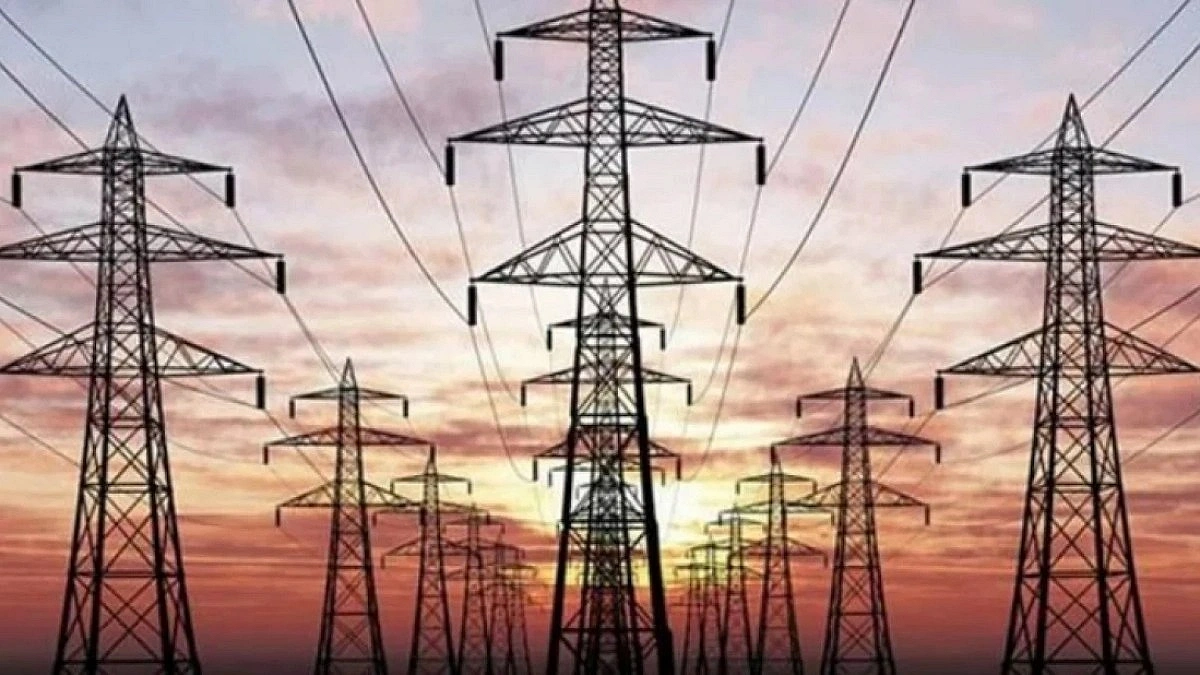
Collected Photo
Scorching summer heat, the ongoing FIFA World Cup, and one of the worst power crises in the country's history have combined to intensify public suffering. Bangladesh recorded a record 3,431 megawatts of load shedding late Sunday night, the highest ever in the country's history. Although the situation improved somewhat afterward, power supply has yet to return to normal.
Public frustration has mounted as consumers continue to endure frequent outages. In several areas, angry residents have reportedly attacked offices of the Rural Electrification Board (REB). The REB itself has expressed concern over the ongoing crisis. While the government has taken a series of measures to address the situation and power generation has increased slightly, the Power Division does not expect load shedding to disappear completely anytime soon.
Despite having generation capacity well above demand, Bangladesh has faced summer power shortages for several years because of fuel constraints and financial difficulties that have prevented power plants from operating at full capacity. This year, electricity demand has also risen due to increased consumption linked to World Cup viewership.
Load shedding eased somewhat on Monday as temperatures moderated and generation increased slightly following government interventions. However, officials warn that outages could intensify again if temperatures rise.
According to the Bangladesh Meteorological Department, nighttime temperatures are expected to increase over the next three to four days, with rainfall possible afterward.
Power Division Secretary Mirana Mahrukh told Agamir Somoy that authorities are making every effort to ensure uninterrupted electricity supply.
“Several power plants have resumed generation after repairing technical faults. Production at other plants has also increased somewhat, which has reduced load shedding compared with previous days. We are holding meetings with Power Division officials and other stakeholders to ensure there is no lack of coordination. We hope the situation will remain manageable,” she said.
REB Concerned as Rural Consumers Bear the Brunt
Power shortages are typically managed through load shedding outside Dhaka, particularly in rural areas. This time, however, outages have also affected the capital.
In many rural areas, residents have faced power cuts lasting between 10 and 15 hours a day. The prolonged outages have disrupted daily life and prevented many people from watching World Cup matches. Frustration has boiled over into violence in some places, where employees of rural electricity cooperatives operating under the REB have come under attack.
The incidents have raised security concerns among REB employees, prompting requests for protection from local administrations in several districts. The REB has also expressed concern over the unusually high level of load shedding.
On Sunday, REB Member (Planning and Development) Md. Shahidul Islam wrote to the Power Secretary requesting increased electricity supply.
The letter noted that electricity demand had surged because of the extreme heat and the World Cup. It also warned that widespread load shedding could affect students preparing for Higher Secondary Certificate (HSC) and equivalent examinations scheduled to begin on July 2.
According to figures cited by the REB, its customers nationwide required 10,351 megawatts of electricity at 8 p.m. on June 27. However, only 7,759 megawatts were supplied, resulting in load shedding of 2,592 megawatts.
The letter stated that outages lasting 12 to 14 hours in some areas had triggered attacks on substations, assaults on employees, office blockades, vandalism, and other incidents.
Citing incidents in 10 districts, including Chandpur, Tangail, and Netrakona, the REB urged authorities to increase power supply to prevent further unrest.
Of Bangladesh's nearly 50 million electricity consumers, more than 38 million are served by the REB.
Government Struggles to Manage Crisis
Officials say the current government has inherited substantial unpaid liabilities and debts accumulated during the previous Awami League administration, making it difficult to secure sufficient fuel for power generation.
The Bangladesh Power Development Board (PDB) owes approximately Tk 440 billion to public and private power producers. More than Tk 150 billion of that amount is owed to oil-fired private power plants alone.
Private plant operators have been pressing for payment of overdue bills and argue that they cannot purchase enough fuel to generate electricity at full capacity. At the same time, the government lacks the resources to clear such a large volume of arrears immediately.
Officials fear that continued load shedding will further fuel public anger. Some have warned that the situation could spiral beyond control if temperatures rise significantly.
The government is now considering extending load shedding to Dhaka. However, the Power Division intends to seek approval from the prime minister before implementing such a move.
Authorities have also decided to divert gas supplies from households and certain other sectors to increase electricity generation. At the same time, some oil-fired plants have been instructed to raise output. However, the PDB remains concerned that greater reliance on oil-based generation will significantly increase costs.
Officials say the electricity tariff hike introduced in June was intended to reduce subsidy pressure and improve the PDB's financial position. While the increase is expected to boost revenue and prevent further accumulation of arrears, clearing existing debts will take more time. They also note that reducing reliance on oil-fired generation would ease subsidy burdens.
Generation Remains Well Below Capacity
Bangladesh's electricity demand currently exceeds 18,000 megawatts, but actual generation averages between 14,000 and 14,500 megawatts. This is despite the country's installed generation capacity of 29,593 megawatts.
Thanks to relatively favorable weather conditions, peak demand on Monday reached 16,556 megawatts. Even then, load shedding exceeded 2,800 megawatts because generation failed to keep pace with demand.
Coal-fired power plants have a combined generation capacity of 6,927 megawatts, but current output stands at around 5,500 megawatts.
Of that amount, Indian conglomerate Adani is supplying 1,494 megawatts. The company has been providing power at near-maximum capacity for several days.
Officials said power imports from Adani increased after Bangladesh accelerated payments of outstanding dues. Satisfied with the pace of repayments, Adani has reportedly committed to supplying electricity according to demand.
Meanwhile, one unit of the SS Power coal-fired plant in Cox's Bazar had been shut down because of coal shortages caused by delayed payments from the PDB. After receiving partial payments, the plant is now generating 1,160 megawatts from its two units.
An official at the company said there is currently no coal shortage but warned that supply problems could return if outstanding dues remain unpaid.
The 1,320-megawatt Payra Thermal Power Plant in Patuakhali is currently supplying about 1,050 megawatts. According to an official, the plant could increase production by another 150 megawatts.
Gas-fired power plants have a combined capacity of 12,472 megawatts. However, their highest output on Sunday was 5,439 megawatts. Generation increased slightly on Monday, exceeding 5,500 megawatts.
In previous years, power plants received between 1 billion and 1.2 billion cubic feet of gas per day. That allocation has now fallen to 915 million cubic feet.
Petrobangla Director (Operations and Mines) Engineer Md. Rafiqul Islam told Agamir Somoy that gas supply for power generation has already been increased to 950 million cubic feet per day and will be raised further to 1 billion cubic feet. He said the increase would require reducing supplies to households and certain other sectors.
Bangladesh has 43 large and small furnace oil-fired power plants in the public and private sectors. At least 10 of them currently have no fuel reserves available for generation. Most of the others have fuel stocks sufficient for only 10 to 15 days.
Among the PDB's 10 oil-fired power plants, only the Santahar plant has enough fuel to operate for eight to nine days. The others have fuel reserves for no more than a week.
As a result, although furnace oil-based plants have a combined generation capacity of 5,641 megawatts, they are currently producing only 1,150 megawatts. The government is attempting to increase that output.
PDB Member (Generation) Md. Zahurul Islam offered a measure of optimism, saying generation at gas- and oil-fired plants has already increased.
“Power generation rose to around 16,500 megawatts on Sunday. One of the two units at the Rampal power plant that is currently offline is expected to resume operation within a day or two. That will add at least another 500 megawatts. Overall, load shedding should remain at a tolerable level,” he said.
