
Will Saudi Arabia’s Red Sea defense alliance work?

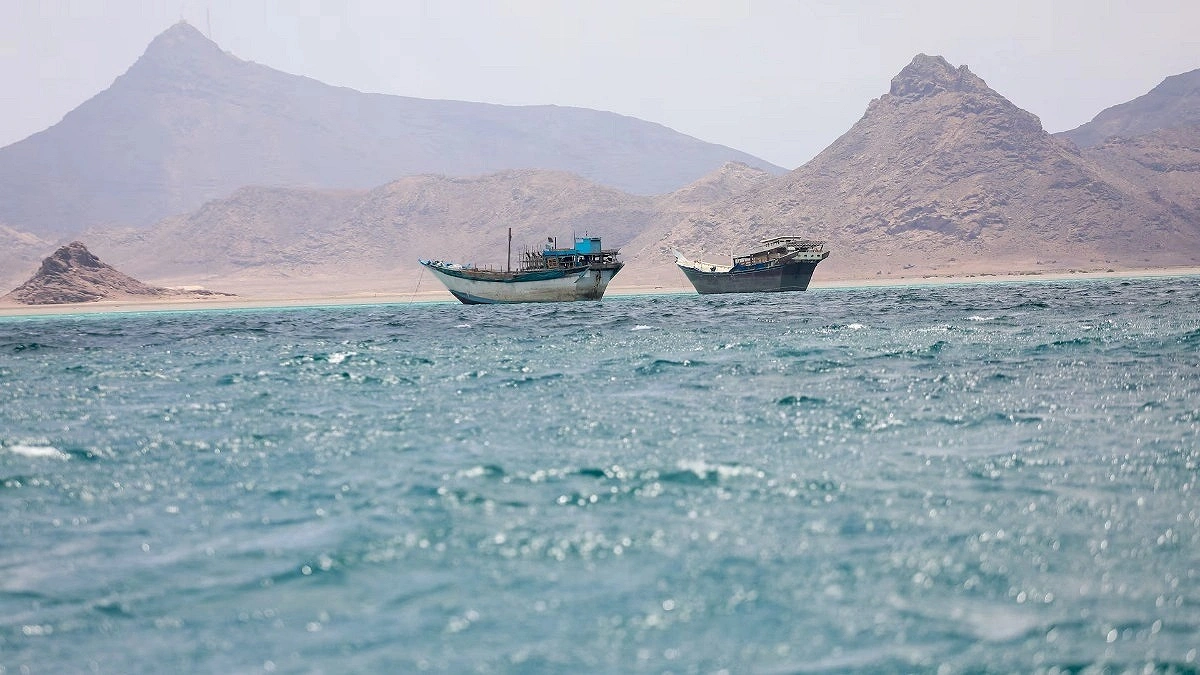
Photo: Reuters
Saudi Arabia has announced the formation of a multinational naval defense alliance to safeguard freedom of navigation in the Red Sea, the Bab al Mandab Strait and the Gulf of Aden. The alliance held its third meeting Thursday in the Saudi city of Jeddah, where 15 countries signed a joint declaration.
In a post on its X account, the Saudi Ministry of Defense said, “The number of countries that have signed the joint statement has reached 15. Thirteen countries have completed their national procedures, signed the charter and formally joined. This marks the actual launch of the alliance into the stage of institutional and operational activation. The remaining countries are completing the necessary national procedures to join.”
The countries joining the alliance in the first phase are Bahrain, Bangladesh, Comoros, Djibouti, Egypt, Jordan, Kuwait, Pakistan, Qatar, Saudi Arabia, Somalia, Sudan, Türkiye and Yemen. Riyadh says any country that agrees with the alliance’s objectives and principles can join, and applications for new membership remain open.
Saudi Arabia’s Ministry of Defense first proposed the formation of a “multinational naval defense alliance” in July. Its goal was to strengthen collective naval defense cooperation.
According to the Saudi Ministry of Defense, member states will exchange information and intelligence, develop operational plans, conduct joint naval exercises and drills, build military capabilities and carry out joint naval operations. Rear Admiral Abdullah bin Salem Al Shehri has been appointed commander of the alliance.
He will be responsible for overseeing joint naval defense, coordinating with member states and other naval alliances, and conducting missions in accordance with the alliance’s charter.
The announcement of the alliance comes at a time when the US Israeli war with Iran is severely damaging energy and civilian infrastructure in the Gulf region. The focus of the war is also increasingly turning toward the Strait of Hormuz.
Previously, about 20 percent of the world’s oil and natural gas exports passed through the strait. Its effective closure has placed significant pressure on the global economy. At the same time, Saudi flagged ships on the Bab al Mandab, Red Sea and Gulf of Aden routes have repeatedly come under attack by Iran backed Houthi fighters in Yemen.
Ahmed Nagi, senior Yemen analyst at the International Crisis Group, told Al Jazeera that the new naval alliance could be important, but its actual significance will depend on how effective it becomes in practice.
He said, “Several naval security initiatives were also launched during the piracy crisis in the Gulf of Aden. Although some initiatives had political significance, many failed to implement their main objectives on the ground. The same applies to this alliance. The alliance could become important if agreements and political commitments can be transformed into practical measures to address threats to naval security and freedom of navigation.”
Nagi further said the alliance is not only about countering the Houthis. It is also about presenting Houthi attacks on ships in the Red Sea as a global problem rather than merely a Saudi problem.
The Iran backed Houthis seized Yemen’s capital, Sanaa, in 2014. Since then, they have continued fighting against the Saudi backed internationally recognized government.
Tensions have increased further since the US Israeli war with Iran began with an attack on Tehran on February 28. The Tehran backed Houthis have increased attacks on Saudi flagged ships and oil facilities in the Red Sea. This has raised concerns that the Houthis could completely blockade the Bab al Mandab Strait.
Nagi said, “From Riyadh’s perspective, the response to these attacks should not fall on Saudi Arabia alone. There should be a broader international effort to counter the Houthis and the disruption they have caused in the Red Sea. So far, the alliance is mainly a defensive alliance. There has been no indication of offensive operations against the Houthis.”
However, the senior analyst claimed, “If the attacks continue, the Saudis will not remain silent. At some point, Riyadh may decide to respond more directly. In that case, the alliance could provide Saudi Arabia with a framework to act with broader international support.”
Source: Al Jazeera ( Adapted)
