

Prime Ministerial Dinner Tonight: High expectations — will they be met?

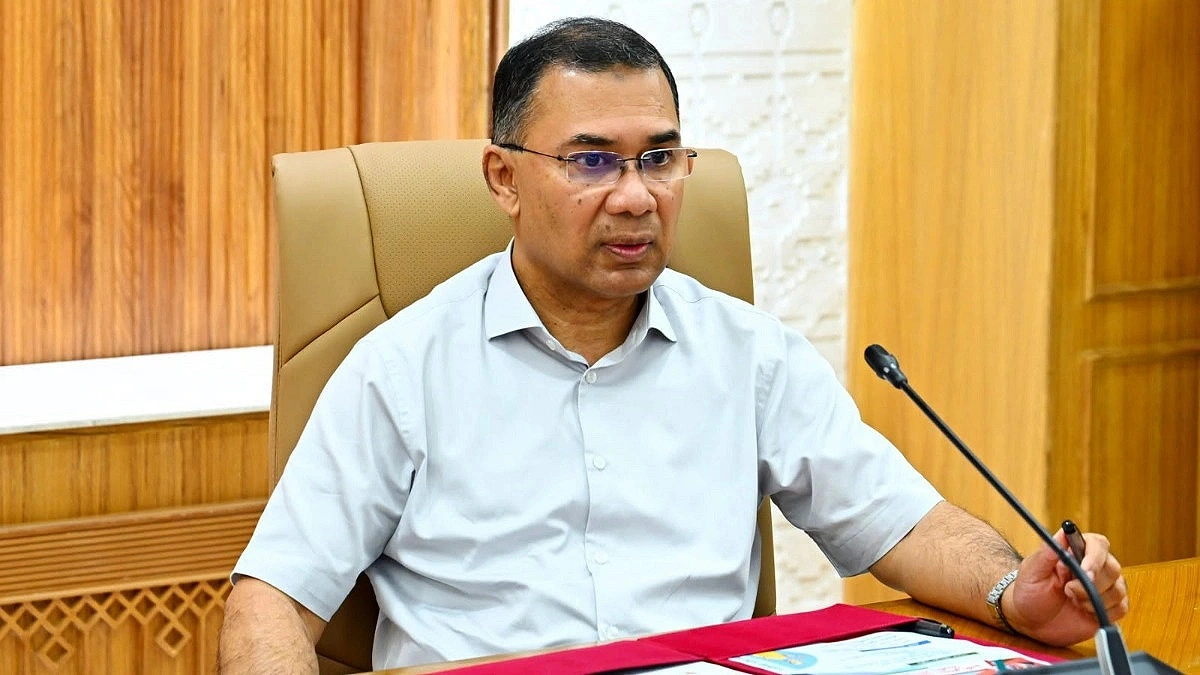
PM Tarique Rahman. File photo.
After a long wait, BNP Chairman and Prime Minister Tarique Rahman is finally set to sit with top leaders of the allied parties that participated in the joint movement against Awami fascism. The goal is to "mend fences" with allies and strengthen relationships. On the other hand, the allies are expected to firmly demand their "due" recognition during the meeting.
This evening (Monday) at 7:30 PM, the Prime Minister has arranged a dinner in honor of the allies at the state guest house, Jamuna. Following the dinner, the much-anticipated meeting — which the allies have been waiting for — will take place.
According to political analysts, this is not merely a courtesy call; rather, it is a significant political initiative aimed at rebuilding trust within the coalition by addressing the grievances of its partners.
Prime Minister's Additional Press Secretary Atikur Rahman Rumon said over 150 leaders from the allied parties of the joint movement have been invited to the event at Jamuna.
Speaking to several leaders likely to attend the dinner, it has been learned that they plan to voice their concerns during the post-dinner meeting. Their message will be that just as they have played a shoulder-to-shoulder role in street protests, they must also be ensured participation in governance, too. Additionally, they will highlight the need to preserve the "anti-fascist national unity" to tackle future political crises, as well as BNP's declared commitment to forming a "Rainbow Nation" — a "national government."
Including registered and unregistered parties, a total of 42 political parties under BNP's leadership were involved in the joint movement. These allied parties campaigned alongside BNP with unified programs during the movement that ousted the fascist Sheikh Hasina government.
For the 13th parliamentary elections, BNP had allocated 16 seats to 11 parties from among its allies. Following the landslide victory, a "national government" was formed by appointing two leaders from the allies as ministers of state. However, most allied parties do not view this as a genuinely inclusive national government. Their expectation is that, beyond those two junior ministers, several more allies could be included in the cabinet as "technocrat ministers." Additionally, they are demanding that allies be given positions in the upper house of parliament, various corporations, and government agencies based on their qualifications. In essence, they too want to be part of the government.
The question now is: to what extent will these manifold expectations of the allies be met through this meeting?
Saiful Haque, General Secretary of the Revolutionary Workers Party, which is part of the Gonotantra Mancha (Democratic Forum), said, "Through this meeting, we will try to understand whether this marks the end of the journey with the joint allies, or if there is a future ahead. If there is a future, the nature and scope of that relationship will also be important. We hope the meeting will provide a clear signal on whether BNP will continue its strategy of 'going it alone' that it has pursued for the past five months, or whether it will move forward on the path of 'Rainbow Nation' and 'Rainbow Government' — fulfilling its promise to run the government inclusively."

