
Trump backs away from Iran Strike amid three-way pressure

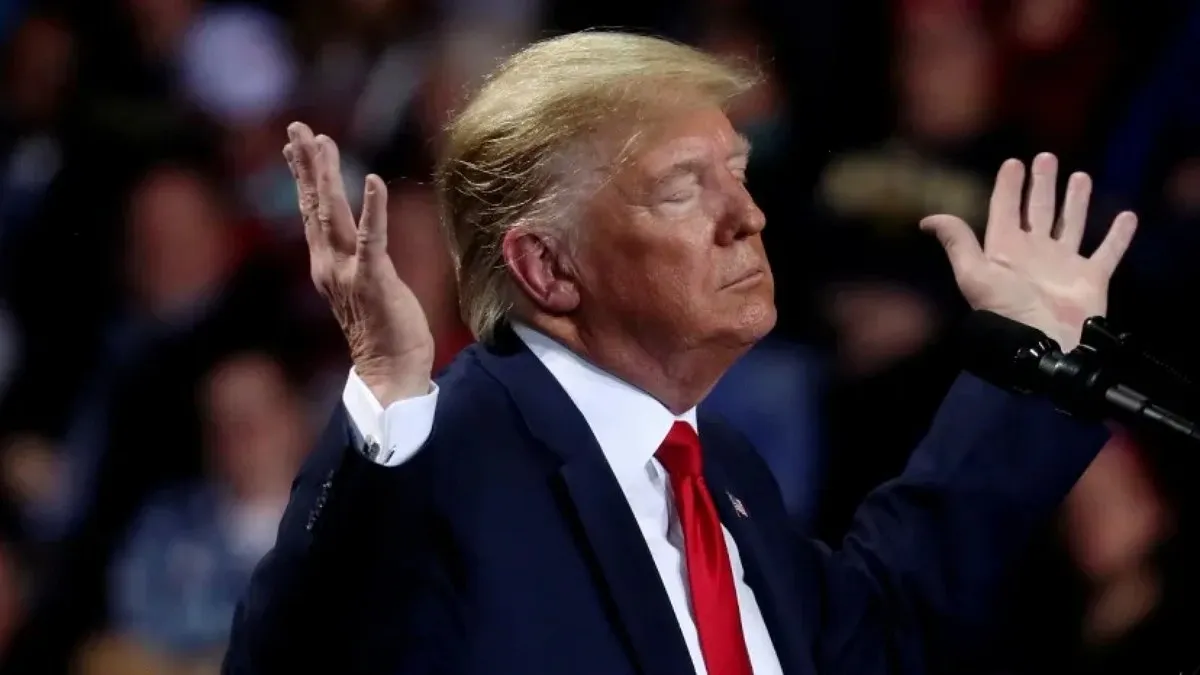
Photo: Reuters
US President Donald Trump is holding back from launching fresh strikes on Iran for now, facing diplomatic pressure from Saudi Arabia and Turkey, concerns over US weapons stockpiles and a political setback for Republicans in the midterm elections.
Under pressure from three directions, the White House is reassessing its approach to a new military operation. For now, Washington wants to contain Iran through sanctions, economic blockades and diplomatic pressure rather than airstrikes. However, Trump’s decision could change again if Tehran takes any new military action.
A Reuters report published on November 14 said Trump was considering avoiding fresh strikes on Iran for the time being after meeting with national security advisers and reviewing intelligence reports. The news agency reported the development, citing three sources.
However, no final decision has been made. A military operation could resume if Iran or the Iran-backed Houthi group in Yemen launches fresh attacks on US interests.
Diplomatic pressure from Saudi Arabia and Turkey
Saudi Crown Prince Mohammed bin Salman and Turkish President Recep Tayyip Erdogan have advised Trump against launching fresh strikes on Iran.
Trump has held several phone conversations with the two leaders over the past two weeks. Both leaders emphasized the importance of avoiding a new military conflict during their discussions.
The Saudi crown prince argued that US sanctions and the naval blockade against Iran are already creating economic pressure. Therefore, Washington should allow the existing measures to take effect rather than launch fresh strikes.
Turkey fears that a new war could put the security and economy of the entire Middle East at risk. In particular, it could cause major disruptions to energy supplies and international trade.
However, Trump has made no firm commitment to follow their advice. As a result, Washington has kept its military options open despite ongoing diplomatic efforts.
Concerns over weapons stockpiles
The United States’ military capabilities have also become a major consideration in the event of fresh strikes.
During previous operations against Iran, US forces used large quantities of long-range precision-guided missiles. According to sources familiar with the matter, stocks of some of these weapons have fallen to concerning levels.
The Reuters report said the stockpiles of weapons used in the operations have not yet been fully replenished. Therefore, launching another major operation could also affect US military readiness in other regions.
However, the Pentagon has not ruled out military options. Preparations are underway to deploy a third aircraft carrier to the Middle East. All three carriers could be stationed in the region if necessary.
The possibility of striking Iran’s underground nuclear facilities again is also under discussion. However, a US intelligence assessment suggests that even fresh strikes are unlikely to significantly change Tehran’s position in negotiations.
Political pressure following election setback
The Iran conflict has become a political challenge for Trump in addition to being a military one.
The Republicans’ setback in the November 3 midterm elections has created fresh pressure on the White House. Public dissatisfaction is also growing over the cost of the war, instability in energy markets and the rising cost of living.
A Reuters and Ipsos poll conducted before the election found that 55 percent of Americans believed the costs of the Iran war outweighed its benefits.
A fresh military operation could intensify congressional debates over the cost of the war and the safety of US troops. The Trump administration would also have to deal with political pressure from Democrats.
As a result, the decision to strike Iran has become a matter of political calculation as well as military strategy.
Economic blockade instead of war
Although Washington is avoiding military operations for now, it has no intention of easing pressure on Iran. Instead, it wants to bring Tehran to the negotiating table through sanctions, a naval blockade and restrictions on commercial ties.
US Secretary of State Marco Rubio’s remarks also indicate this strategy. According to him, Iran’s economy is under pressure and the United States has opportunities to achieve its objectives without military action.
Iran, meanwhile, is also unwilling to make concessions easily. Tehran has continued to demand control over the Strait of Hormuz, the lifting of US sanctions and the return of its frozen assets.
As a result, the path to an agreement between the two countries remains difficult.
Israel increasing pressure
While Saudi Arabia and Turkey favor avoiding fresh strikes, Israel has taken a position in favor of tougher military action against Iran.
Israeli officials believe a new operation may be necessary to keep Iran’s military and nuclear capabilities under control. They remain in contact with the Trump administration over the issue.
This has created a new diplomatic complication for Trump. On one side are regional allies urging him to avoid war. On the other are Israel’s security concerns and calls for military action.
Fresh tensions in the Strait of Hormuz
Meanwhile, tensions in the Gulf region remain high. On November 15, Iran’s Islamic Revolutionary Guard Corps claimed that it had sent six drones targeting a radar installation at a US military facility in Bahrain.
Bahraini authorities issued an alert over a potential security threat. However, neither the United States nor Bahrain immediately provided confirmed information about the damage caused by the attack.
The headquarters of the US Navy’s Fifth Fleet is located in Bahrain. Any fresh attack there could increase the risk of a US military response.
What will Trump do next?
Overall, Washington appears to be moving toward maintaining economic blockades and diplomatic pressure while avoiding a major military operation for now. At the same time, preparations for a possible strike are being maintained.
Trump’s biggest challenge now is to secure strategic concessions from Iran without escalating the military conflict. However, any new military action by Tehran or a major confrontation in the Strait of Hormuz could change his calculations.
In other words, although there are indications that fresh strikes on Iran have been put on hold for now, the risk of war in the Middle East has not disappeared. Instead, the Trump administration’s main strategy is now to bring Iran to the negotiating table through economic pressure alongside displays of military strength.
