
US supreme court rejects Trump bid to block California ballot count

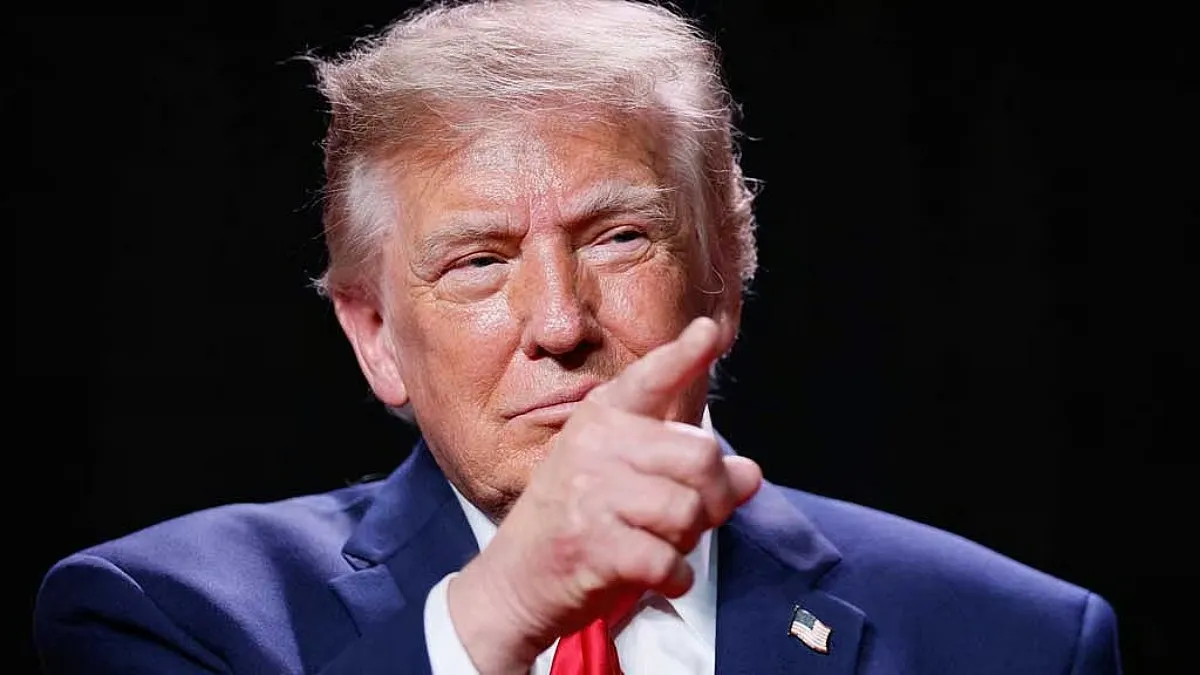
Photo: Reuters
The US Supreme Court on Monday rejected President Donald Trump’s administration’s request to temporarily block California from counting mail-in ballots from more than 20,000 registered voters suspected by federal officials of being non-US citizens.
The decision came on the eve of the US midterm elections, dealing another legal setback to Trump as Republicans fight to retain control of Congress in Tuesday’s polls.
The Justice Department filed an emergency request with the Supreme Court, arguing that California should separate the disputed ballots from others and refrain from counting them until the voters’ citizenship status is verified. However, the justices rejected the request within hours without providing an explanation. No justice publicly dissented.
The administration’s case was based on a list of 20,000 registered voters compiled by the Department of Homeland Security and shared with California and Los Angeles County officials.
California officials argued that the state’s safeguards against noncitizen voting were robust. They also warned that the lawsuit could deprive thousands of eligible voters of their voting rights based on unsubstantiated allegations. The state further questioned the reliability of the federal government’s process for identifying potential noncitizens on voter rolls.
California Governor Gavin Newsom welcomed the Supreme Court’s decision, describing it as a positive development for Americans amid what he called federal government’s “disgusting and dangerous attacks” on democracy.
“Today, Californians can feel secure in knowing the state will carry out a free and fair election, just as we’ve always done,” Newsom said.
A federal appeals court on Friday also refused to block the ballots. Earlier, US District Judge David Carter in Los Angeles rejected the administration’s request on October 28.
Carter expressed concerns about the reliability of federal data, noting that individuals previously flagged as noncitizens in other states had repeatedly turned out to be naturalized US citizens.
“Never before in American history has the federal government, on the eve of an election, sought to coerce a state and local government to abandon their own constitutional elections procedures and bend to the will of the executive branch,” Carter wrote.
The administration argued that California was violating a 1996 federal law that makes voting in federal elections by noncitizens a criminal offense. It also invoked the Constitution’s Supremacy Clause, which establishes the primacy of federal law over conflicting state laws.
However, multiple studies and state audits have found that illegal voting, including voting by noncitizens, is rare.
The US Constitution assigns states primary responsibility for administering elections, although the federal government retains certain oversight powers.
California holds 52 seats in the House of Representatives, the highest number among US states. Democrats need a net gain of four seats to secure a majority in the chamber.
Source: Reuters (Adapted)
